


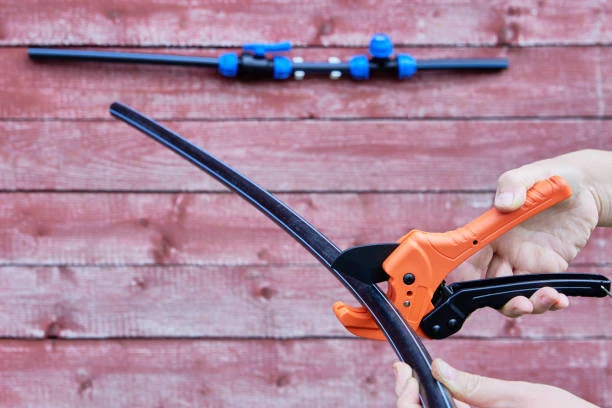
HDPE (High-Density Polyethylene) water pipes are a popular choice in water distribution systems due to their exceptional durability. Their ability to perform well over time in a wide range of environments makes them a reliable solution for various applications. HDPE water pipe have proven their resilience under diverse conditions, offering long-lasting performance without significant wear and tear. These pipes are resistant to cracking, corrosion, and chemical damage, all factors that contribute to their longevity.
Introduction to HDPE Water Pipes
HDPE is a thermoplastic polymer that boasts a high degree of density and crystallinity, giving it strength and durability. The structure of HDPE allows it to withstand high pressures, temperature fluctuations, and exposure to harsh environments. HDPE water pipes are used for transporting potable water, sewage, and other liquids in municipal, industrial, and residential settings. Their resistance to various forms of degradation, combined with their flexibility and ease of installation, make them a preferred option in modern infrastructure projects.
Factors Contributing to the Durability of HDPE Water Pipes
Several factors contribute to the long-term durability of HDPE pipes, including material properties, installation techniques, and environmental factors. Understanding these elements can shed light on why HDPE pipes are able to last for decades, often exceeding the expected service life of other piping materials.
Material Properties
The molecular structure of HDPE makes it resistant to many forms of deterioration. Unlike traditional materials such as metal or concrete, HDPE does not corrode or rust over time. The high-density structure of the polymer allows it to retain its integrity even when exposed to extreme weather conditions, harsh chemicals, and abrasive substances.
HDPE’s resistance to chemical corrosion is one of the key reasons it is so durable. It does not react with a wide range of chemicals commonly found in water distribution systems, such as chlorine, acids, and alkalis. This resistance helps HDPE pipes maintain their structural integrity over time, even in aggressive environments.
Another critical material property is HDPE’s resistance to UV degradation. While UV radiation can weaken many plastics, HDPE contains antioxidants and carbon black additives that help protect the pipes from UV-induced damage. This feature allows HDPE pipes to maintain their strength when exposed to direct sunlight for extended periods.
Flexibility and Impact Resistance
HDPE pipes are highly flexible, which contributes to their durability in several ways. First, the flexibility allows the pipes to absorb shocks and impacts, reducing the likelihood of cracks or fractures. In areas prone to ground movement, such as regions with seismic activity or shifting soil, HDPE pipes can bend without breaking, making them less susceptible to damage from external forces.
Additionally, HDPE pipes can withstand pressure surges and impacts that might damage more rigid pipes. This flexibility is particularly important in water distribution systems, where sudden changes in pressure or impact from external sources are common. The ability to absorb these stresses without cracking or bursting increases the overall durability of HDPE pipes.
Resistance to Abrasion
HDPE pipes are resistant to abrasion, which is another factor that contributes to their longevity. In applications where water may carry sand, gravel, or other abrasive materials, HDPE pipes can withstand the wear and tear caused by these substances. The smooth inner surface of HDPE pipes also helps minimize friction, which reduces the rate of wear over time.
This abrasion resistance ensures that HDPE pipes remain effective and efficient throughout their service life, even in applications where the transported water contains solid particles. The ability to resist wear and tear from abrasives is a significant advantage in industries such as mining, agriculture, and wastewater treatment.
Installation Techniques for Durability
Proper installation is critical to ensuring the long-term durability of HDPE water pipes. HDPE pipes are often installed using fusion welding techniques, which create a homogenous joint between the pipes, reducing the likelihood of leaks and ensuring a secure connection. Fusion welding also eliminates the need for mechanical joints, which can be prone to leakage and damage over time.
In addition to fusion welding, HDPE pipes can be installed using a variety of methods, including butt fusion, electrofusion, and socket fusion. Each of these techniques ensures that the pipes are joined securely and without the introduction of weak points that could lead to failure. When installed correctly, HDPE pipes can withstand the stresses of normal operation for decades without significant issues.
Minimizing Installation Damage
One of the benefits of HDPE pipes is their resistance to installation-related damage. During the installation process, pipes can be exposed to a range of physical stresses, such as bending, twisting, and impact. Unlike more rigid materials, HDPE pipes are flexible enough to absorb these stresses without cracking or breaking. This flexibility ensures that the pipes remain intact during installation and continue to perform well after they are put into service.
Moreover, HDPE pipes can be easily transported and handled without the risk of significant damage. Their light weight makes them easier to move and install, reducing the likelihood of accidental damage during handling and transportation. This ease of installation is a significant advantage over other materials, which may require specialized equipment or more labor-intensive procedures.
Environmental Factors Affecting Durability
The durability of HDPE pipes is also influenced by environmental factors such as temperature, soil conditions, and water chemistry. These factors can affect the performance of all types of pipes, but HDPE is particularly resilient in these conditions.
Temperature Resistance
HDPE pipes exhibit excellent resistance to temperature fluctuations. They can perform well in both high and low-temperature environments without losing their strength or integrity. In colder climates, HDPE pipes are less likely to become brittle and crack, unlike metal pipes that are prone to freezing damage. On the other hand, HDPE pipes can also handle high temperatures without softening or deforming, making them suitable for hot water systems or environments with extreme heat.
This temperature resilience ensures that HDPE pipes maintain their mechanical strength and functionality, regardless of seasonal or environmental temperature changes. Their ability to expand and contract with temperature fluctuations without cracking further contributes to their long-lasting performance.
Soil and Ground Conditions
Soil conditions play a significant role in the durability of water pipes. In areas with highly acidic or alkaline soil, the potential for corrosion and pipe degradation is high. However, HDPE pipes are resistant to corrosion, which makes them ideal for installation in such environments. Unlike metal pipes, HDPE does not rust or degrade when exposed to soil conditions, which ensures that the pipes will last longer.
In areas with shifting soils or where ground movement is common, HDPE pipes’ flexibility becomes a significant advantage. The ability of HDPE pipes to bend without breaking makes them less susceptible to damage from ground shifts, reducing the likelihood of cracks or fractures caused by soil movement.
Water Quality and Chemical Resistance
The water quality transported through HDPE pipes is another critical factor in their durability. HDPE pipes are highly resistant to a wide range of chemicals, including chlorine, acids, and alkalis. This chemical resistance ensures that the pipes maintain their integrity even when exposed to harsh chemicals commonly found in water systems.
HDPE’s resistance to chemical degradation also means that the pipes do not leach harmful substances into the water, maintaining water quality over time. In applications where the water contains a variety of chemicals or impurities, HDPE pipes provide a reliable and long-lasting solution that does not contribute to water contamination.
Longevity of HDPE Water Pipes
HDPE water pipes are designed to provide long-term performance. Under normal operating conditions, HDPE pipes have a service life that exceeds , and in many cases, they can last even longer. This long lifespan is due to the combination of the material’s resistance to environmental stresses, chemical degradation, and physical wear. Proper installation and maintenance further enhance the longevity of HDPE pipes, ensuring that they continue to perform efficiently throughout their service life.
The longevity of HDPE pipes offers significant cost savings over time. While the initial installation cost may be higher than other materials, the reduced need for maintenance and replacement over the years makes HDPE a more cost-effective solution in the long run. The durability of HDPE pipes reduces the frequency of repairs, replacements, and service interruptions, leading to lower overall operating costs.
Maintenance and Repair of HDPE Water Pipes
HDPE pipes require minimal maintenance, thanks to their resistance to corrosion, chemical degradation, and physical wear. However, like all infrastructure systems, they may require periodic inspections and minor repairs. The ease of maintenance is one of the key advantages of HDPE pipes. Since the pipes do not corrode or degrade over time, they do not require frequent replacement or costly repairs.
In the event of damage, HDPE pipes are relatively easy to repair. Small cracks or leaks can be addressed using fusion welding techniques, which create a seamless bond between the damaged section and the rest of the pipe. This process restores the pipe’s integrity, ensuring continued reliable performance.
Conclusion
HDPE water pipes offer exceptional durability, making them a preferred choice for water distribution systems. Their resistance to corrosion, chemical degradation, and environmental stresses ensures that they provide reliable, long-lasting performance. HDPE pipes can withstand temperature fluctuations, ground movement, and high-pressure conditions without significant degradation. Their longevity and ease of installation make them a cost-effective solution for water infrastructure projects. With minimal maintenance requirements and a long service life, HDPE pipes continue to be a durable and reliable choice for modern water systems.
IFAN international standard
IFAN’s HDPE products comply with various international standards, ensuring quality, durability, and reliability. These standards include ASTM D3035 and ASTM D3350, which define specifications for polyethylene (PE) pipes and materials. The ISO 4427 and EN 12201 series set global benchmarks for PE pipes used in water supply systems. Additionally, DIN 8074/8075 and GB/T 13663 establish performance and dimension requirements for HDPE pipes in European and Chinese markets. Other recognized standards, such as AS/NZS 4130 (Australia/New Zealand), JIS K6760 (Japan), BS 6572 (UK), and CSA B137.1 (Canada), further demonstrate IFAN’s commitment to meeting industry regulations worldwide.
Contact
IFAN is a professional manufacturer with of experience, dedicated to producing high-quality plastic pipes, fittings, and valves. Our products include brass valves, PPR valves, as well as various pipes and fittings to meet different customer needs. Whether you need plumbing and drainage pipes or valve products, IFAN can provide a diverse range of high-quality, cost-effective products to support your projects. Below is our contact information.
We will reply your email or fax within 24 hours.
You can call us at any time if there is any question on our production.
For more information,pls visit our webside https://www.ifanplus.com/
Pls Mailto: [email protected]
Whatsapp: + 86 19857948982























