


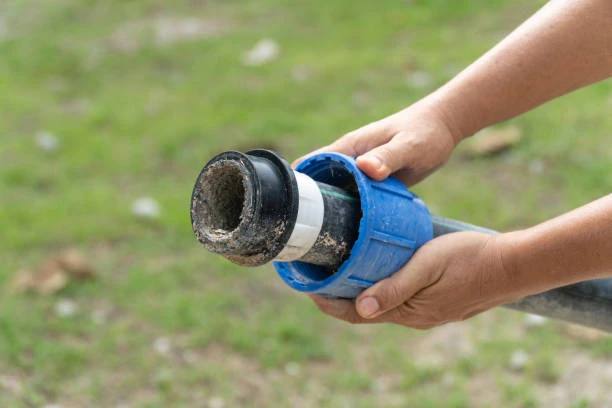
HDPE (High-Density Polyethylene) pipe fittings are highly favored for their exceptional durability, resistance to corrosion, and versatility. These fittings, used in a variety of applications such as water supply, drainage, gas distribution, and industrial processes, play a crucial role in ensuring the efficient and secure flow of fluids or gases through pipelines. However, like all components of a piping system, HDPE pipe fittings require regular inspection to ensure they continue to perform effectively and maintain system integrity. This article explores the importance of HDPE pipe fittings inspection, key inspection practices, and methods to identify and address common issues that can arise.
Understanding the Importance of HDPE Pipe Fittings Inspection
Proper inspection of HDPE pipe fittings helps identify potential issues before they develop into more serious problems, preventing costly repairs and system downtime. Inspections ensure that the fittings are performing as expected, maintaining their leak-tight properties, and resisting damage from environmental factors. These fittings are designed to offer long-lasting performance, but regular inspections provide the necessary reassurance that the system remains in optimal condition.
An effective inspection process also extends the lifespan of HDPE pipe fittings by identifying minor damages or weaknesses early on, allowing for timely repairs or replacements. Properly maintained HDPE systems are less likely to experience system failures, leaks, or reduced efficiency, which can lead to costly operational disruptions or environmental hazards.
Key Areas of Focus in HDPE Pipe Fittings Inspection
The inspection of HDPE pipe fittings should cover several key areas to ensure their overall condition and performance. These include the physical condition of the fittings, the integrity of the connections, and the functionality of the system.
1. Physical Condition of HDPE Pipe Fittings
One of the first things to check during an inspection is the physical condition of the HDPE fittings. Over time, external factors such as UV exposure, temperature fluctuations, and mechanical stress can lead to wear and tear. It is crucial to examine the fittings for any signs of damage, including:
- Cracks and Fractures: Cracks can develop on the surface of HDPE pipe fittings due to extreme temperature changes, excessive pressure, or physical impact. Even small cracks can worsen over time, leading to leaks or failure. Look for any visible signs of cracking, particularly at high-stress points like joints or bends.
- Deformation: HDPE pipe fittings can deform under excessive pressure or stress. Deformation often manifests as bulging or bending, which may affect the overall performance of the system. Inspect the fittings for any noticeable changes in shape.
- Surface Damage: Scratches, gouges, or abrasions on the surface of HDPE fittings can result from mechanical impacts, abrasive materials, or improper handling during installation or maintenance. Although surface damage might not always affect the function of the fitting, it can serve as an entry point for corrosion or further degradation if not addressed.
2. Joint Integrity
HDPE pipe fittings are often joined using fusion methods, such as butt fusion, socket fusion, or electrofusion. The integrity of the joints is crucial to the overall performance of the pipeline. Joints that are improperly fused or that have weakened over time can lead to leaks or failures. Inspect the following:
- Fusion Quality: The quality of the fusion joint is critical in ensuring a leak-free connection. During inspections, check that the fusion lines are smooth and consistent. Inconsistent fusion, gaps, or rough spots along the joint can weaken the connection, making it prone to leaks.
- Leakage Around Joints: The area around the joints should be free from signs of leakage. Even minor leakage can indicate issues with the fusion quality or stress on the pipe, which may lead to more significant problems if left unchecked.
- Alignment: Misalignment of the pipe and fittings during installation can stress the fusion joint, leading to potential failure points. Inspect the alignment of the pipe fittings to ensure they are properly positioned and aligned to prevent unnecessary strain.
3. System Functionality and Flow Performance
Inspecting the overall functionality of the HDPE pipe system is essential for identifying hidden issues that might not be immediately visible. HDPE pipe fittings are part of a larger network, and any changes in the system’s performance could indicate a problem. Pay attention to the following:
- Pressure Testing: Conduct pressure tests to check for any pressure loss in the system. Pressure testing helps detect any hidden leaks or weaknesses in the system, including around pipe fittings. A drop in pressure can indicate potential leaks or poor connections.
- Flow Obstructions: Blockages in the system can result from the accumulation of sediments, minerals, or other debris. Inspect the system for any signs of reduced flow or blockages, particularly in areas where HDPE pipe fittings connect. A decrease in flow rate can indicate an issue that may require cleaning or repair.
- Flow Consistency: Ensure that the flow through the system remains consistent and uninterrupted. Inconsistent flow may indicate clogs, leaks, or damaged fittings that need to be addressed.
4. Environmental Exposure and UV Damage
Although HDPE pipe fittings are highly resistant to UV rays, prolonged exposure to the sun can cause degradation over time. UV damage can lead to surface cracking or a decrease in the material’s flexibility, making the fittings more prone to failure. Examine the external surfaces of the fittings, especially if they are exposed to direct sunlight or harsh weather conditions. If you notice signs of UV degradation, consider applying protective coatings or replacing the affected fittings.
5. Chemical Exposure
In industrial applications, HDPE pipe fittings may be exposed to a variety of chemicals, including acids, alkalis, or solvents. Although HDPE is resistant to many chemicals, certain aggressive substances can weaken or degrade the material over time. Regular inspections should include checking for signs of chemical damage, such as discoloration, surface wear, or brittleness. Be sure to follow the manufacturer’s guidelines for chemical compatibility to avoid potential issues.
Methods for Inspecting HDPE Pipe Fittings
To conduct an effective inspection, several methods and tools can be employed to assess the condition of HDPE pipe fittings. These methods help ensure thorough checks of the fittings’ physical condition, joint integrity, and overall system performance.
1. Visual Inspection
Visual inspection is the most common and straightforward method of checking HDPE pipe fittings. This type of inspection involves a detailed examination of the fittings’ surfaces, joints, and overall structure. During a visual inspection, look for any visible damage, signs of wear, and indications of leakage. Pay particular attention to areas where fittings are subjected to high pressure, impact, or environmental stresses.
2. Pressure Testing
Pressure testing involves applying a specific pressure to the pipe system and monitoring for any loss in pressure, which may indicate a leak or failure. This method is highly effective for detecting hidden leaks that may not be visible during a visual inspection. Pressure tests should be conducted regularly, particularly after new installations or repairs.
3. Ultrasonic Testing
Ultrasonic testing uses high-frequency sound waves to detect internal damage or weaknesses in HDPE pipe fittings. This non-destructive testing method is ideal for identifying cracks or voids that are not visible from the surface. Ultrasonic testing can provide valuable information on the integrity of fusion joints and the overall health of the HDPE pipe system.
4. Leak Detection Systems
In large systems, automated leak detection systems can help monitor the condition of HDPE pipe fittings. These systems use sensors to detect pressure changes, temperature variations, or other indicators that may signal a leak. Leak detection systems provide real-time monitoring and can help identify problems early, preventing significant damage to the system.
Common Issues Found During HDPE Pipe Fittings Inspection
During inspections, a few common issues may arise that require attention or repairs. These include:
- Improperly fused joints: Fusion joints that were not properly completed during installation may develop leaks or fail over time.
- Excessive wear or abrasion: Fittings exposed to mechanical stress or abrasive materials can wear down over time, leading to damage or leakage.
- Chemical exposure: Some chemicals can degrade HDPE fittings, leading to cracks or brittleness.
- UV damage: Prolonged exposure to UV radiation can degrade the material, especially in outdoor applications.
- Misalignment: Misaligned fittings can cause unnecessary stress and lead to failures in the system.
Conclusion
Regular inspection of HDPE pipe fittings is crucial for maintaining the integrity and reliability of any piping system. By conducting thorough inspections, focusing on key areas such as joint integrity, physical condition, and overall system functionality, potential issues can be detected early, preventing costly repairs and downtime. Various inspection methods, such as visual checks, pressure testing, and ultrasonic testing, provide valuable insights into the condition of HDPE pipe fittings and help ensure that they perform optimally throughout their service life. Implementing a comprehensive inspection routine is an effective way to maximize the lifespan of HDPE pipe fittings, ultimately ensuring the efficiency and safety of the entire piping system.
IFAN international standard
IFAN’s HDPE products comply with various international standards, ensuring quality, durability, and reliability. These standards include ASTM D3035 and ASTM D3350, which define specifications for polyethylene (PE) pipes and materials. The ISO 4427 and EN 12201 series set global benchmarks for PE pipes used in water supply systems. Additionally, DIN 8074/8075 and GB/T 13663 establish performance and dimension requirements for HDPE pipes in European and Chinese markets. Other recognized standards, such as AS/NZS 4130 (Australia/New Zealand), JIS K6760 (Japan), BS 6572 (UK), and CSA B137.1 (Canada), further demonstrate IFAN’s commitment to meeting industry regulations worldwide.
Contact
IFAN is a professional manufacturer with of experience, dedicated to producing high-quality plastic pipes, fittings, and valves. Our products include brass valves, PPR valves, as well as various pipes and fittings to meet different customer needs. Whether you need plumbing and drainage pipes or valve products, IFAN can provide a diverse range of high-quality, cost-effective products to support your projects. Below is our contact information.
We will reply your email or fax within 24 hours.
You can call us at any time if there is any question on our production.
For more information,pls visit our webside https://www.ifanplus.com/
Pls Mailto: [email protected]
Whatsapp: + 86 19857948982























