


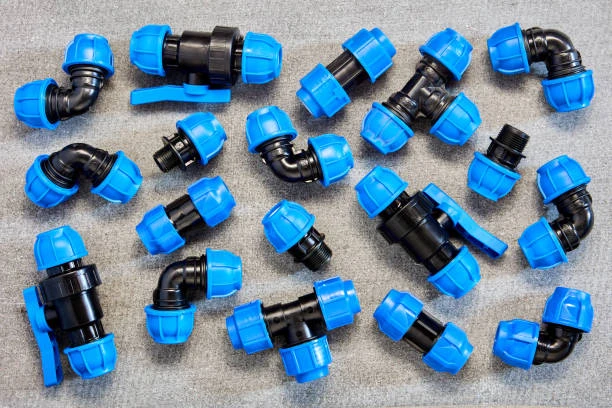
HDPE (High-Density Polyethylene) pipe fittings play a critical role in modern plumbing, drainage, and irrigation systems. Among their many advantages, their eco-friendliness and sustainability stand out. In a world increasingly focused on reducing environmental impact, HDPE pipe fittings offer significant benefits. This article explores the environmental aspects of HDPE pipe fittings, including their material properties, manufacturing processes, and applications.
Durability and Longevity
HDPE pipe fittings are incredibly durable, which contributes to their environmental advantages. Their extended lifespan reduces the need for frequent replacements. Consequently, fewer resources are consumed over time. This durability translates into reduced material waste, an important factor in minimizing environmental impact.
HDPE fittings are highly resistant to corrosion and chemical damage. Unlike metal fittings, they do not rust or degrade in harsh conditions. Their resistance to environmental stress ensures their performance over decades. This longevity further supports sustainable infrastructure.
Recyclability of HDPE Material
One of the key environmental benefits of HDPE pipe fittings lies in their recyclability. HDPE is a thermoplastic material that can be melted and reformed multiple times. This characteristic allows for the recycling of HDPE pipe fittings at the end of their service life.
Recycled HDPE is used in various applications, reducing the need for virgin materials. This recycling process helps conserve natural resources and lowers energy consumption during production. Additionally, it minimizes plastic waste in landfills and oceans.
Energy-Efficient Manufacturing Process
The production of HDPE pipe fittings consumes significantly less energy compared to other materials like metal or concrete. The lightweight nature of HDPE contributes to reduced energy costs during transportation. These factors combined result in a lower carbon footprint for HDPE pipe fittings.
Moreover, advancements in manufacturing technologies have made the production of HDPE fittings more efficient. For instance, modern extrusion methods reduce material wastage and energy consumption. These innovations align with global efforts to promote sustainable industrial practices.
Reduction in Water Loss
HDPE pipe fittings are known for their excellent sealing capabilities. Their leak-proof design minimizes water loss in distribution systems. This characteristic is particularly beneficial for irrigation and municipal water supply systems, where reducing water waste is crucial.
By preventing leaks, HDPE fittings conserve water resources and reduce the need for additional energy to pump and treat water. This efficiency supports sustainable water management practices.
Resistance to Chemical and Environmental Impact
HDPE pipe fittings exhibit exceptional resistance to a wide range of chemicals. This property makes them suitable for transporting hazardous substances without the risk of contamination or leakage. Their chemical resistance reduces the likelihood of environmental pollution.
In addition, HDPE fittings withstand extreme temperatures and UV radiation. Their resilience ensures consistent performance in various climates, further enhancing their environmental reliability.
Lightweight Design and Transportation Efficiency
The lightweight nature of HDPE pipe fittings significantly reduces transportation costs and environmental impact. Compared to traditional materials, HDPE fittings require less fuel for shipping. This advantage contributes to lower greenhouse gas emissions.
Furthermore, the ease of handling HDPE fittings during installation reduces labor and equipment requirements. This streamlined process minimizes the overall environmental footprint of infrastructure projects.
Safe and Non-Toxic Material
HDPE is a non-toxic material, making it safe for transporting potable water. Unlike some other materials, HDPE does not leach harmful chemicals into the water. This property ensures the safety of drinking water systems.
The absence of toxic substances in HDPE fittings also facilitates safer recycling and disposal processes. This characteristic aligns with environmental safety standards and promotes healthier ecosystems.
Contribution to Green Building Standards
HDPE pipe fittings are increasingly recognized in green building certifications, such as LEED (Leadership in Energy and Environmental Design). Their environmental benefits, including recyclability, energy efficiency, and water conservation, make them an ideal choice for sustainable construction projects.
By incorporating HDPE fittings into plumbing and drainage systems, builders can meet green building requirements and reduce the environmental impact of their projects. This alignment with eco-friendly standards supports the global transition to sustainable infrastructure.
Applications in Renewable Energy Projects
HDPE pipe fittings are widely used in renewable energy applications, such as geothermal heating systems and solar water heating. Their durability and resistance to extreme conditions make them suitable for these demanding environments.
The use of HDPE fittings in renewable energy projects underscores their contribution to environmental sustainability. By supporting clean energy systems, HDPE fittings play a role in reducing reliance on fossil fuels and lowering carbon emissions.
Minimizing Microplastic Pollution
Unlike some plastics, HDPE does not degrade into harmful microplastics. This property ensures that HDPE pipe fittings do not contribute to microplastic pollution in water systems or ecosystems.
The stability of HDPE material helps maintain environmental integrity. It supports efforts to combat plastic pollution, a growing concern in marine and terrestrial environments.
Economic and Environmental Synergy
The economic advantages of HDPE pipe fittings often align with their environmental benefits. Their durability and low maintenance requirements reduce operational costs for infrastructure projects. Simultaneously, their sustainability features support environmental goals.
This synergy between economic efficiency and environmental responsibility makes HDPE fittings a preferred choice for both public and private sector projects. It highlights their role in creating a more sustainable future.
Conclusion
HDPE pipe fittings offer a range of environmental benefits that make them a sustainable choice for modern infrastructure. Their durability, recyclability, energy-efficient manufacturing, and safe material properties contribute to reducing environmental impact. By adopting HDPE fittings, industries can align with global sustainability goals and promote eco-friendly practices.
These fittings not only meet the demands of various applications but also support the transition to greener, more sustainable infrastructure. Their role in reducing waste, conserving resources, and minimizing pollution underscores their importance in the fight against environmental degradation.
Conclusion
HDPE pipe fittings with high tensile strength are essential components of modern piping systems. Their ability to withstand mechanical stress, resist environmental challenges, and maintain structural integrity ensures long-term performance in various applications. By selecting fittings with appropriate tensile properties, industries can achieve reliable, cost-effective solutions for water, gas, industrial, and agricultural systems. Proper installation and regular maintenance further enhance the lifespan and performance of HDPE fittings, making them a trusted choice for critical infrastructure.
IFAN international standard
IFAN adheres to a wide range of international standards for HDPE pipes and fittings to ensure quality, reliability, and compatibility across various applications. These standards include ASTM D3035, ASTM D3350, ISO 4427 series, EN 12201 series, DIN 8074/8075, GB/T 13663 series, AS/NZS 4130, JIS K6760, BS 6572, and CSA B137.1, among others. By complying with these globally recognized standards, IFAN ensures that its products meet the requirements for performance, durability, and safety across diverse industries and markets.
Contact
IFAN is a professional manufacturer with of experience, dedicated to producing high-quality plastic pipes, fittings, and valves. Our products include brass valves, PPR valves, as well as various pipes and fittings to meet different customer needs. Whether you need plumbing and drainage pipes or valve products, IFAN can provide a diverse range of high-quality, cost-effective products to support your projects. Below is our contact information.
We will reply your email or fax within 24 hours.
You can call us at any time if there is any question on our production.
For more information,pls visit our webside https://www.ifanplus.com/
Pls Mailto: [email protected]
Whatsapp: + 86 19857948982























