


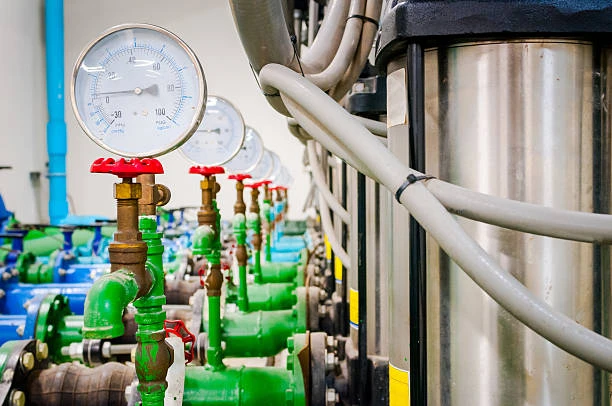
Gate valves for water systems serve as essential components that control the flow of water efficiently and reliably. Their simple yet effective design ensures minimal pressure loss while providing secure shutoff, making them ideal for a wide range of applications. This article highlights the key features to consider when selecting gate valves for water, answers common questions, explains their core functions, and explores typical uses. It also provides a practical guide for choosing the right valve, compares gate valves with other valve types, and offers a clear conclusion for easy reference.
Frequently Asked Questions (FAQ)
1. What exactly are gate valves for water?
Gate valves for water are devices that use a gate or wedge to open or close the flow path, allowing full flow or complete shutoff in water pipelines.
2. Can gate valves regulate the flow of water?
No. Gate valves are designed primarily for fully open or fully closed positions and are not recommended for throttling.
3. What materials are commonly used in gate valves for water?
Materials often include cast iron, ductile iron, brass, bronze, stainless steel, and carbon steel depending on application and water conditions.
4. How important is valve size when selecting gate valves?
Valve size must match pipeline diameter to maintain flow efficiency and avoid pressure issues.
5. Are there different types of stems in gate valves?
Yes. Rising stem valves show the valve position visually and are easier to maintain, while non-rising stems are better for space-limited installations.
Definition and Key Characteristics of Gate Valves for Water
Gate valves for water operate by lifting a gate vertically out of the water flow path. When the gate is lowered, it blocks the flow completely. This action makes them highly efficient for on/off control.
Key Characteristics
- Full bore design: Allows water to flow freely with minimal pressure drop.
- Tight sealing: Provides reliable shutoff, preventing leaks.
- Bidirectional operation: Seals properly regardless of flow direction.
- Stem variations: Rising stems offer easy operation feedback; non-rising stems save space.
- Material versatility: Available in materials compatible with potable, industrial, and aggressive water types.
- Simple maintenance: Few moving parts make them easier to service.
- Manual and automated options: Operated by handwheels or actuators depending on system needs.
These characteristics make gate valves a dependable choice for managing water flow.
Common Uses and Industry Applications
Gate valves for water are used in many fields, including:
- Municipal water networks: For isolating sections during maintenance or emergencies.
- Water treatment plants: Control flow in filtration and chemical dosing.
- Agriculture: Manage irrigation systems and water delivery.
- Fire protection: Act as main shutoff valves in sprinkler systems.
- Building plumbing: Provide control points for water supply in commercial and residential buildings.
- Industrial processes: Used in cooling water systems and other industrial water supplies.
Their reliability and ease of operation make them indispensable across these sectors.
Selection Guide: Choosing the Right Gate Valve for Water Systems
When selecting gate valves for water, consider the following:
1. Material Compatibility
Match valve materials to water type and environmental conditions:
- Cast and ductile iron: Common and cost-effective for potable water.
- Brass and bronze: Corrosion-resistant, suitable for potable and marine environments.
- Stainless steel: Ideal for aggressive or sanitary water systems.
- Carbon steel: Used in high-pressure industrial applications.
2. Size and Pressure Rating
Choose valve sizes that correspond to the pipeline diameter. Ensure pressure ratings (e.g., PN or ANSI classes) meet or exceed system requirements to avoid failures.
3. Stem Type
- Rising stem valves: Provide visible gate position, easier maintenance.
- Non-rising stem valves: Fit underground or tight spaces without requiring extra vertical clearance.
4. End Connections
- Flanged ends: Suitable for large systems with frequent maintenance.
- Threaded ends: Common for smaller pipes and residential use.
- Welded ends: Used in permanent, high-integrity connections.
5. Sealing and Coating
Choose appropriate sealing types—metal-to-metal or resilient seats—depending on the need for leak tightness and flow conditions. Protective coatings such as epoxy enhance corrosion resistance.
6. Certification and Standards
Ensure valves comply with relevant industry standards like NSF/ANSI for drinking water safety and AWWA for municipal applications.
7. Operation Mode
Decide between manual handwheel or automated actuator depending on accessibility and system complexity.
Related Insights Based on Gate Valves for Water
Understanding the key features allows for better system design and maintenance planning. For example, rising stem valves offer visual feedback which reduces accidental misuse. Meanwhile, material choices can greatly affect valve lifespan, especially in corrosive or hard water conditions. Moreover, selecting the right end connection type facilitates easier installation and future servicing. Considering these factors during procurement helps avoid common pitfalls such as leaks, excessive wear, and operation difficulties.
Gate Valves for Water vs Other Valve Types
| Feature | Gate Valves for Water | Ball Valves | Globe Valves | Butterfly Valves |
|---|---|---|---|---|
| Primary Function | Isolation | Isolation/Control | Flow regulation | Isolation/Control |
| Flow Resistance | Very low | Very low | High | Low |
| Shutoff Tightness | High | Very high | High | Moderate |
| Suitable for Throttling | No | Yes | Yes | Yes |
| Size Range | Very wide | Moderate | Small to Medium | Wide |
| Maintenance Level | Low | Low | Moderate | Low |
| Space Requirements | Large | Compact | Moderate | Very compact |
| Cost (large sizes) | Moderate | High | Moderate | Low |
This comparison highlights gate valves’ strengths in providing low resistance and dependable isolation, though they are not ideal for throttling, unlike globe or ball valves.
Conclusion
Gate valves for water stand out due to their durability, reliability, and efficient operation in a variety of water systems. Their simple design ensures minimal pressure loss and tight sealing, making them essential for pipeline isolation in municipal, industrial, agricultural, and residential applications.
Careful selection based on material, size, stem type, and connection method is crucial for maximizing valve performance and lifespan. Adhering to certification standards further guarantees safety and compliance.
By understanding these key features, users can make informed decisions that improve system efficiency and reduce maintenance challenges. Overall, gate valves for water remain a durable and dependable choice for effective water management.
Contact IFAN for Catalogs and Samples
Need technical documents, catalogs, or sample products? Reach out to IFAN today.
📧 Email: [email protected]
📱 Whatsapp: +86 19857948982
Our team responds quickly and provides professional support for all your pipeline needs.
IFAN international standard
IFAN piping systems comply with a wide range of international standards to ensure high quality and performance. These include ASTM F1974 and ASTM F1281 for multilayer piping systems, CSA B137 for Canadian plumbing applications, DIN 16836 for German technical specifications, GB18997 for Chinese standards, and ISO 21003, which covers multilayer piping systems used for hot and cold water installations. This broad certification scope highlights IFAN’s commitment to global compliance and product reliability.























