


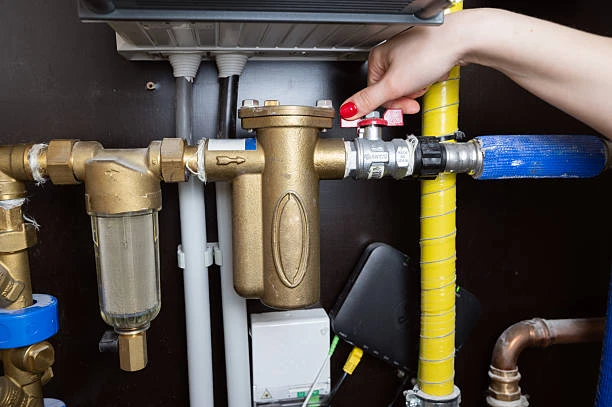
Gate valves for water systems stand out as a durable and reliable choice for controlling water flow across various industries. Their robust construction and straightforward design ensure effective isolation and minimal pressure loss, making them indispensable components in water distribution networks. This article summarizes the essential features, common applications, and selection guidelines for gate valves for water. Additionally, it addresses frequent questions, compares them with other valve types, and highlights why they remain a preferred option for long-term, dependable service.
Frequently Asked Questions (FAQ)
1. What makes gate valves for water durable compared to other valves?
Gate valves have simple yet sturdy construction with corrosion-resistant materials, which helps them withstand harsh conditions and maintain reliable sealing over time.
2. Can gate valves be used to regulate water flow?
No, gate valves are designed primarily for full open or full closed positions. Using them for flow regulation can damage the valve.
3. What materials are commonly used for gate valves in water systems?
Typical materials include cast iron, ductile iron, brass, bronze, stainless steel, and carbon steel, chosen based on water type and pressure requirements.
4. Are gate valves easy to maintain?
Yes, their simple design allows for straightforward maintenance, such as lubrication, seal replacement, and cleaning.
5. How does the stem type affect valve performance?
Rising stem valves offer visible position feedback and easier maintenance, while non-rising stems are better suited for confined spaces.
Definition and Key Features of Gate Valves for Water
Gate valves for water systems consist of a wedge or flat gate that moves perpendicular to the water flow inside the valve body. By lifting or lowering this gate, the valve either allows full water passage or completely blocks it. This design leads to minimal flow resistance when fully open and tight sealing when closed.
Key Features Include:
- Durability: Constructed with robust metals and corrosion-resistant coatings to withstand various water qualities.
- Reliable sealing: Provides effective shutoff to isolate sections of water systems.
- Full bore design: Enables minimal pressure drop and uninterrupted flow.
- Stem options: Available as rising stem for easy operation or non-rising stem for compact installations.
- Versatility: Suitable for potable water, industrial water, irrigation, and fire protection.
- Simple operation: Usually operated manually via a handwheel, though actuated options exist.
These features ensure that gate valves remain a trusted choice for water system isolation.
Common Uses and Industry Applications
Gate valves for water serve numerous applications, including:
- Municipal water distribution: For isolating pipelines during maintenance or emergencies.
- Industrial water systems: Control flow in treatment plants and manufacturing facilities.
- Agricultural irrigation: Manage water delivery in canals and pipe networks.
- Fire protection systems: Act as control valves for sprinklers and hydrants.
- Commercial and residential plumbing: Provide shutoff points for repairs or upgrades.
- Power generation: Regulate cooling water flow and other utility water lines.
Their durability and sealing performance make them ideal for critical infrastructure across sectors.
Selection Guide: How to Choose Gate Valves for Water
Selecting the right gate valve depends on several factors:
1. Material Compatibility
Choose valve materials that resist corrosion and are safe for intended water use:
- Cast/Ductile iron: Affordable and widely used in potable water.
- Brass/Bronze: Corrosion-resistant, great for potable and marine applications.
- Stainless steel: Best for aggressive or hygienic environments.
- Carbon steel: Suitable for high-pressure industrial applications.
2. Size and Pressure Rating
Match valve size to pipe diameter and ensure pressure ratings (PN or ANSI classes) meet or exceed system requirements.
3. Stem Type
- Rising stem: Easier for operation and maintenance with visible gate position.
- Non-rising stem: Suitable for underground or space-limited installations.
4. End Connections
- Flanged: Common in large piping systems allowing easy valve removal.
- Threaded: Typical for smaller sizes and plumbing systems.
- Welded: For permanent, leak-proof connections in demanding environments.
5. Sealing Mechanism and Coating
Select resilient seat materials or metal-to-metal sealing based on application. Protective coatings enhance corrosion resistance.
6. Certification
Look for compliance with drinking water standards (e.g., NSF/ANSI 61) and industry standards (AWWA, ISO).
7. Operation
Decide between manual or automated operation depending on system complexity.
Installation Tips Based on Durability and Reliability
Proper installation maximizes gate valves’ longevity and dependability. Key tips include:
- Ensure proper pipe alignment to avoid mechanical stress.
- Follow manufacturer orientation guidelines, typically vertical stem position.
- Use appropriate gaskets and tighten bolts evenly.
- Avoid overtightening which can damage valve components.
- Flush pipelines before operation to clear debris.
- Operate valves slowly to prevent water hammer.
- Schedule regular inspections and lubrication.
Gate Valves for Water vs Other Valve Types
| Feature | Gate Valves for Water | Ball Valves | Globe Valves | Butterfly Valves |
|---|---|---|---|---|
| Primary Function | Isolation | Isolation/Control | Flow regulation | Isolation/Control |
| Flow Resistance | Very low | Very low | High | Low |
| Shutoff Tightness | High | Very high | High | Moderate |
| Throttling Capability | No | Yes | Yes | Yes |
| Size Range | Very wide | Moderate | Small to Medium | Wide |
| Maintenance Level | Low | Low | Moderate | Low |
| Space Requirements | Large | Compact | Moderate | Very compact |
| Cost (large sizes) | Moderate | High | Moderate | Low |
This comparison highlights gate valves’ strengths in durability and flow efficiency, making them ideal for water system shutoff.
Conclusion
Gate valves for water combine durability, reliability, and simplicity, making them a preferred choice for water system isolation worldwide. Their sturdy materials, effective sealing, and minimal flow resistance ensure long service life under various conditions.
Selecting the right valve material, size, stem type, and connection is essential to match system needs and reduce maintenance frequency. Additionally, proper installation and periodic maintenance maximize valve reliability.
In essence, gate valves offer an excellent balance of performance and durability, supporting safe and efficient water distribution across municipal, industrial, agricultural, and commercial sectors. Choosing gate valves for water is an investment in dependable, trouble-free system operation for years to come.
Contact IFAN for Catalogs and Samples
Need technical documents, catalogs, or sample products? Reach out to IFAN today.
📧 Email: [email protected]
📱 Whatsapp: +86 19857948982
Our team responds quickly and provides professional support for all your pipeline needs.
IFAN international standard
IFAN piping systems comply with a wide range of international standards to ensure high quality and performance. These include ASTM F1974 and ASTM F1281 for multilayer piping systems, CSA B137 for Canadian plumbing applications, DIN 16836 for German technical specifications, GB18997 for Chinese standards, and ISO 21003, which covers multilayer piping systems used for hot and cold water installations. This broad certification scope highlights IFAN’s commitment to global compliance and product reliability.























