


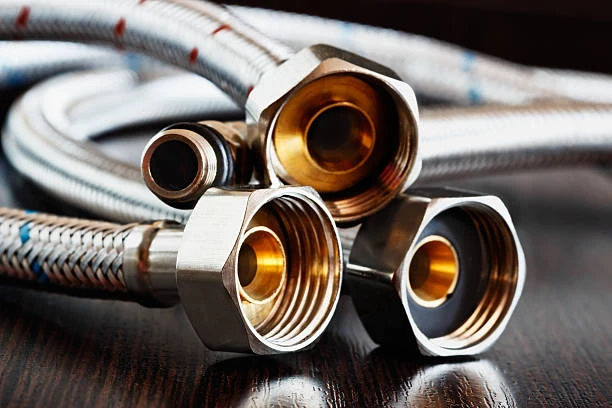
Flexible hoses are crucial in many industries, as they provide a reliable solution for conveying liquids, gases, and other substances. Moreover, the structural design of a flexible hose directly influences its durability, safety, and functionality. These hoses, in addition, are found in various applications, including plumbing, automotive, aerospace, and industrial sectors. Therefore, this article will explore the key aspects of flexible hose design, focusing on materials, construction, and features that contribute to their versatility and performance.
1. Materials Used in Flexible Hose Design
The materials chosen for a flexible hose are fundamental to its performance and durability. Depending on the specific application, flexible hoses may use a variety of materials such as rubber, PVC, metal, or braided composites.
Rubber Hoses
Rubber is one of the most commonly used materials for flexible hoses because of its excellent flexibility, resilience, and resistance to environmental factors. These hoses are widely used in applications where flexibility and abrasion resistance are essential. Typically, rubber hoses feature an inner tube of rubber, reinforced with layers of fabric or metal wire to improve strength and durability.
PVC Hoses
Polyvinyl chloride (PVC) hoses are lightweight and resistant to corrosion and chemicals. These hoses are used in plumbing and irrigation. PVC offers flexibility and strength for low-pressure applications. The material is easy to handle and install.
Metal Hoses
Metal hoses are typically used in high-temperature and high-pressure applications, such as in the automotive or aerospace industries. Made from materials like stainless steel, these hoses provide superior strength, heat resistance, and long-lasting performance. They are often braided to add support and flexibility, which makes them ideal for applications where performance and reliability are critical.
Braided Composite Hoses
Braided composite hoses combine metal and synthetic materials to offer both flexibility and strength. The outer braid, usually made of stainless steel or other metals, enhances the hose’s strength, while the inner layers, typically composed of synthetic materials, ensure resistance to corrosion, chemicals, and pressure. These hoses are commonly used in chemical processing, fuel transfer, and the food and beverage industries.
2. Design Features of Flexible Hoses
Several key design features contribute to a flexible hose’s functionality and performance. These features ensure the hose remains flexible, durable, and safe under a variety of operating conditions.
Bending Radius
An essential aspect of flexible hose design is its bending radius, which refers to the minimum radius the hose can bend without causing damage or compromising its performance. The hose’s smaller bending radius enables use in confined or compact spaces, simplifying installation in areas with limited room. The hose material and reinforcement determine the bending radius.
Reinforcement Layers
To improve strength, prevent kinking, and enhance pressure resistance, flexible hoses often incorporate multiple reinforcement layers. These layers are made from materials such as fabric, braided metal wires, or fiberglass. They provide structural support and ensure that the hose does not collapse under pressure, which is essential for maintaining reliable operation.
- Fabric Reinforcement
Rubber and PVC hoses gain increased tensile strength and resistance to internal pressure through fabric reinforcement. Manufacturers weave fabrics like polyester or nylon into the hose structure. This design preserves flexibility while preventing the hose from failing under pressure. - Metal Braiding
Metal braiding is used in hoses that endure high temperatures or pressure. Stainless steel is preferred for its durability and heat resistance. Metal-braided hoses are common in automotive, aerospace, and industrial applications requiring high performance. - Fiberglass Reinforcement
In high-temperature environments, fiberglass reinforcement helps protect the hose from heat damage. Fiberglass offers excellent thermal insulation and helps maintain the hose’s structural integrity when exposed to extreme heat. This type of reinforcement is ideal for industries such as chemical processing and power generation.
3. Applications and Performance Requirements
Flexible hoses are used across various industries, each with specific performance needs based on the substances conveyed, operating pressure, and environmental conditions.
Plumbing and Irrigation
In plumbing and irrigation systems, flexible hoses are often used to transport water or other liquids. These hoses need to handle high pressures, resist corrosion from water or chemicals, and maintain flexibility for easy installation. PVC and rubber are ideal materials for such applications because of their resistance to water and other external elements.
Automotive and Aerospace
Flexible hoses in the automotive and aerospace sectors are critical for transporting fuel, coolant, and hydraulic fluids. These hoses endure high temperatures and extreme pressures, making material choice and reinforcement essential. Metal hoses, often braided with stainless steel, are commonly used in these industries for their strength, heat resistance, and ability to perform under high-pressure conditions.
Industrial and Chemical Processing
Industrial settings rely on flexible hoses to convey chemicals, gases, and bulk materials. These hoses resist various chemicals and extreme temperatures while handling internal pressure. Manufacturers often choose composite hoses, made from metal and synthetic layers, for their versatility and chemical resistance in demanding applications.
Food and Beverage
In the food and beverage industry, hygiene and safety are paramount. Flexible hoses must meet strict standards to prevent contamination. The hoses should be designed with smooth inner linings to avoid bacteria buildup. Additionally, materials used in food-grade hoses must be non-toxic, FDA-approved, and resistant to corrosion and wear.
4. Customization and Standards
Flexible hoses are often customized to meet specific application needs. Manufacturers offer a wide variety of sizes, lengths, and materials to meet different environmental factors, operating conditions, and fluid types. Custom hoses ensure optimal performance while meeting safety and efficiency standards.
Industry Standards
To ensure safety, performance, and durability, flexible hoses must comply with industry standards. These standards guide material selection, construction techniques, and testing methods to ensure the hoses meet the required performance criteria. Regulations such as ISO 9001, ASTM, SAE, and EN standards govern flexible hose design and manufacturing, ensuring safety and quality across industries.
Testing and Quality Control
Flexible hoses undergo rigorous testing to verify their durability, pressure resistance, and compatibility with various substances. Testing methods include burst pressure tests, tensile strength tests, and leak tests to confirm that the hose performs as expected under real-world conditions. Manufacturers implement high-quality control measures to ensure that every hose meets the required standards for performance and safety.
5. Conclusion
The structural design of flexible hoses is crucial for their ability to meet diverse industrial needs. Furthermore, material selection, reinforcement layers, and customization options allow hoses to handle a variety of fluids, gases, and operating conditions. Additionally, focusing on flexibility, durability, and safety ensures that flexible hoses provide versatile and reliable solutions for industries ranging from plumbing to aerospace. Ultimately, by using the right materials and design features, flexible hoses can meet the most challenging operational demands and continue to be indispensable in numerous applications.
IFAN international standard
IFAN standards include a range of international certifications and specifications such as ASTM 2846, DIN 8079/8080, ASTM F441/F441M SCH80, DIN, GB/T 18993 series, AS/NZS 1477, CSA B137.6, NSF/ANSI 14, and TIS 17-2532/1131-2535, among others. These standards ensure the quality, safety, and reliability of products, aligning with global manufacturing and performance requirements. By adhering to these standards, IFAN guarantees that its products meet rigorous industry benchmarks, ensuring customer satisfaction and compliance with regulatory guidelines across various regions.
Contact
IFAN is a professional manufacturer with of experience, dedicated to producing high-quality plastic pipes, fittings, and valves. Our products include brass valves, PPR valves, as well as various pipes and fittings to meet different customer needs. Whether you need plumbing and drainage pipes or valve products, IFAN can provide a diverse range of high-quality, cost-effective products to support your projects. Below is our contact information.
We will reply your email or fax within 24 hours.
You can call us at any time if there is any question on our production.
For more information,pls visit our webside https://www.ifanplus.com/
Pls Mailto: [email protected]
Whatsapp: + 86 19857948982























