


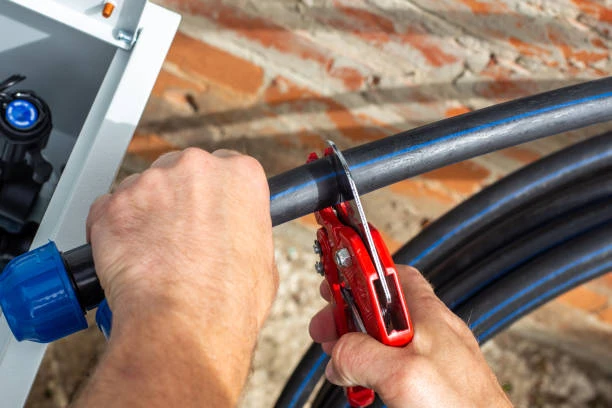
In today’s rapidly changing construction and infrastructure environments, flexibility has become one of the most valued attributes in piping systems. Among the various options available, poly pipe stands out due to its remarkable ability to bend, stretch, and adapt to different conditions without compromising performance. As a result, this flexible plastic piping solution has become increasingly favored by engineers, plumbers, and contractors around the world.
This article explores in detail the flexibility of poly pipe, its benefits, applications, and why it continues to revolutionize modern plumbing, irrigation, and industrial systems. Through technical insights, real-world examples, and clear explanations, we will uncover how its flexible nature makes it both efficient and reliable for a wide range of uses.
Understanding What Flexibility Means in Piping
First and foremost, when we speak about flexibility in piping, we are referring to a pipe’s ability to bend or deform without breaking or kinking. Unlike rigid piping systems made of metal or concrete, poly pipe can easily follow curves, slope variations, or uneven terrain. This ability to bend allows it to reduce the number of fittings required during installation, which directly simplifies construction and lowers cost.
Furthermore, flexibility also contributes to the pipe’s resilience against external pressures such as ground movement, freezing, and vibration. It allows the system to absorb shock and expansion naturally, without placing strain on joints or connections. Consequently, flexible pipes like poly pipe are much less prone to leaks, cracks, or ruptures.
Material Composition That Enables Flexibility
The flexibility of poly pipe primarily stems from its base material—polyethylene. This thermoplastic polymer is known for its elasticity, strength, and resistance to chemical and environmental degradation. There are several grades of polyethylene, with High-Density Polyethylene (HDPE) and Low-Density Polyethylene (LDPE) being the most commonly used in pipe manufacturing.
Although HDPE is denser and stronger, it still maintains impressive flexibility, especially in long coils. LDPE, on the other hand, is even more flexible but slightly less pressure-resistant. Depending on the specific application, manufacturers choose the appropriate blend to balance flexibility and strength.
Additionally, modern production techniques allow the creation of multilayer pipes that combine flexibility with higher mechanical performance. These innovations have extended the use of poly pipe beyond traditional sectors and into high-pressure industrial applications.
Ease of Installation: A Direct Result of Flexibility
One of the most immediate advantages of flexible poly pipe is how easy it is to install. Traditional piping systems often require precise measurements, complex fittings, and rigid alignment. In contrast, poly pipe can be rolled out in long continuous lengths, effortlessly curving around obstacles, foundations, and landscape features.
Moreover, the ability to flex means installers can use fewer joints and fittings, significantly reducing the potential for leaks. This also speeds up the installation process, lowers labor costs, and reduces the need for specialized tools. In rural or hard-to-access areas, where trenching is costly or impractical, this flexible solution becomes particularly valuable.
For example, in drip irrigation systems for agriculture, poly pipe is often laid directly on the soil surface or buried shallowly. Thanks to its flexibility, it can curve with the land contours and deliver water uniformly to crops without requiring extensive adjustment or alignment.
Enhanced Resistance to Ground Movement
In many environments, soil conditions are not stable. Natural events such as earthquakes, frost heave, or subsidence can shift the ground and damage rigid piping systems. However, because poly pipe is so flexible, it can stretch and bend in response to these changes, rather than cracking or disconnecting.
This characteristic makes poly pipe an excellent choice in seismic zones, flood-prone areas, or any region with expansive soils. Engineers and city planners often select it for municipal water and gas lines precisely because it can accommodate movement without losing its seal.
Furthermore, this movement-friendly nature of poly pipe significantly reduces the maintenance burden over time. Systems remain intact longer, and the risk of sudden failure is dramatically reduced. Therefore, flexibility contributes directly to the long-term reliability and safety of the piping network.
Cold Weather Performance and Freeze Tolerance
Another area where flexibility proves critical is in cold climates. When water freezes inside a pipe, it expands and exerts pressure on the pipe walls. Rigid pipes like copper or PVC are likely to burst under this pressure. In contrast, poly pipe can stretch slightly to absorb the expansion, and in many cases, it returns to its original shape after thawing.
This makes poly pipe especially valuable for outdoor installations such as garden watering systems, rural water supply lines, and temporary construction water services. Even when the pipe is exposed to freezing conditions, the risk of catastrophic failure remains low due to its inherent elasticity.
Although insulation and proper installation remain important, the pipe’s natural flexibility offers a layer of built-in protection that rigid pipes cannot provide.
Versatile Applications Enabled by Flexibility
Due to its flexibility, poly pipe can be used in a vast range of applications. From municipal infrastructure to backyard gardens, its ability to bend and adjust allows it to serve in environments where other materials would be too rigid or cumbersome. Key application areas include:
- Potable water supply
- Drip and sprinkler irrigation systems
- Gas distribution
- Sewer and drainage systems
- Telecommunications conduit
- Industrial process piping
In each case, the pipe’s ability to follow complex paths without breaking or leaking makes it not only functional but also cost-effective.
Moreover, in trenchless installations such as pipe bursting or directional boring, flexibility is essential. Poly pipe can be pulled through tight underground spaces without needing extensive excavation. This minimizes disruption to roadways, landscapes, and communities.
Long Continuous Lengths Improve Efficiency
Another benefit tied to flexibility is the ability to produce poly pipe in long continuous coils. Unlike traditional materials that must be joined every few meters, poly pipe can be manufactured in lengths of hundreds of meters or more. This reduces the number of connections needed, which directly improves both speed and safety during installation.
Fewer connections also mean fewer potential failure points. Each joint in a pipe system presents a chance for leakage or mechanical failure. By minimizing these, flexible poly pipe systems offer superior performance, particularly in large-scale or remote installations where access for repair is limited.
Compatibility with Compression and Fusion Techniques
Thanks to its bendable nature, poly pipe works well with various joining methods, including mechanical compression fittings and heat fusion techniques. Fusion methods in particular benefit from flexibility because they create strong, seamless joints that retain the same flexibility as the pipe itself.
This ensures that the entire system—joints included—can flex under stress rather than forming rigid weak points. As a result, these systems remain leak-free and durable even under demanding conditions.
Furthermore, the ability to combine flexibility with secure joining gives designers more freedom to create piping layouts that best fit each project’s unique requirements.
Reduced Vibration and Noise Transmission
In systems that experience regular vibration, such as those near pumps or mechanical equipment, flexibility also helps reduce wear and noise. Poly pipe absorbs vibration rather than transferring it through the system. This not only prolongs the life of the pipe but also reduces noise levels, which is an added benefit in residential and commercial buildings.
Similarly, in water hammer situations—where a sudden stoppage in water flow causes pressure surges—the flexible wall of poly pipe can absorb and dampen the shock, preventing damage to fixtures and joints.
Environmental Benefits of Flexible Systems
A flexible piping solution like poly pipe also offers environmental benefits. Its ability to be installed with minimal disruption means that trenchless and shallow-trench methods can preserve trees, sidewalks, and ecosystems. Less excavation leads to reduced carbon emissions and a lower environmental footprint.
In addition, the long life and leak-free nature of poly pipe systems minimize water waste, energy consumption, and material usage over the long term. As sustainability becomes a central concern in construction and infrastructure projects, the value of flexible piping solutions continues to rise.
Design Freedom for Engineers and Installers
Lastly, flexibility brings significant design advantages. Engineers and installers have more options for routing pipes around corners, under foundations, or through narrow spaces. This design freedom simplifies planning, reduces material waste, and ensures optimal use of space.
For instance, in green building designs that aim for minimal impact and high efficiency, the ability to bend and conform makes poly pipe an ideal solution. Whether hidden in walls, buried underground, or exposed outdoors, it adjusts to fit the needs of each unique project.
Final Thoughts: Flexibility That Performs
To summarize, the flexibility of poly pipe is not just a technical feature—it is a defining strength that transforms the way we design and build piping systems. From simplifying installation and improving durability to enhancing performance in harsh conditions, flexible poly pipe delivers benefits at every stage of the project lifecycle.
Its ability to adapt to changing environments, withstand mechanical stress, and maintain long continuous runs makes it one of the most versatile and reliable piping materials available today. As industries continue to demand efficiency, resilience, and environmental responsibility, poly pipe will remain at the forefront—thanks largely to its exceptional flexibility.
IFAN international standard
IFAN’s poly pipe products comply with a wide range of international standards to ensure quality, safety, and compatibility across global markets. These include ASTM D3035, ASTM D3350, the ISO 4427 series, EN 12201 series, DIN 8074/8075, GB/T 13663 series, AS/NZS 4130, JIS K6760, BS 6572, and CSA B137.1, among others. This comprehensive compliance reflects IFAN’s commitment to delivering reliable piping solutions that meet the diverse technical requirements of water supply, gas distribution, and industrial applications worldwide.
Contact
IFAN is a professional manufacturer with of experience, dedicated to producing high-quality plastic pipes, fittings, and valves. Our products include brass valves, PPR valves, as well as various pipes and fittings to meet different customer needs. Whether you need plumbing and drainage pipes or valve products, IFAN can provide a diverse range of high-quality, cost-effective products to support your projects. Below is our contact information.
We will reply your email or fax within 24 hours.
You can call us at any time if there is any question on our production.
For more information,pls visit our webside https://www.ifanplus.com/
Pls Mailto: [email protected]
Whatsapp: + 86 19857948982























