


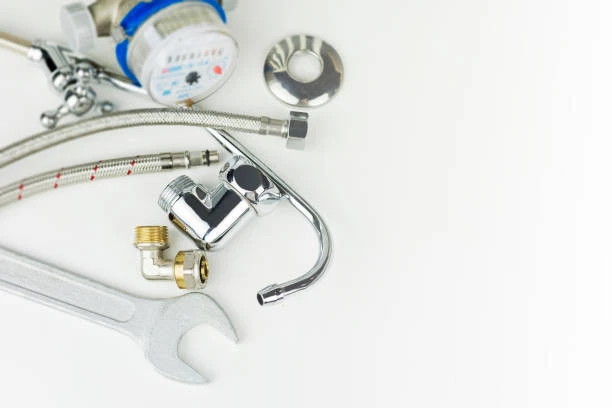
Flexible pipe hoses are an essential part of many industries due to their ability to adapt to various applications. The flexibility of these hoses makes them an ideal choice for environments where rigid piping systems would be impractical. Whether in automotive systems, construction sites, or industrial machinery, flexible pipe hoses provide significant advantages. This article explores the factors that contribute to the flexibility of flexible pipe hoses and the benefits they offer in different environments.
1. Material Composition and Flexibility
The material composition of a flexible pipe hose directly impacts its flexibility. Different materials exhibit varying levels of flexibility, and understanding these materials is crucial in choosing the right hose for a specific application.
- Rubber: Rubber hoses are known for their excellent flexibility. This material bends easily, allowing hoses to move with machinery or equipment without restriction. Common rubber hoses include natural rubber, neoprene, and EPDM. These materials offer great flexibility, even in environments where movement and vibration are frequent. Rubber hoses perform well in both high and low temperatures, making them ideal for diverse applications, such as automotive engines, HVAC systems, and air conditioning.
- Thermoplastic Materials: Thermoplastic materials, such as PVC and polyurethane, also offer a high degree of flexibility. Thermoplastic elastomer (TPE) hoses provide a combination of flexibility and strength, making them suitable for a range of industrial applications. PVC hoses, for example, are lightweight and flexible, making them ideal for light-duty tasks, while polyurethane hoses are tougher and can handle more rigorous environments, such as pneumatic systems or construction sites. Both PVC and polyurethane maintain their flexibility at low temperatures, which adds to their versatility.
- Silicone: Silicone hoses are highly flexible and perform well at both high and low temperatures. They retain their flexibility even in extreme conditions, such as -60°C (-76°F) to 200°C (392°F). Silicone’s inherent elasticity makes it an excellent choice for systems that require frequent movement or bending. It is commonly used in food processing, medical devices, and automotive applications where flexibility and hygiene are essential.
- Metal Hoses: While flexible metal hoses, like those made from stainless steel, are not as inherently flexible as rubber or thermoplastic hoses, they still offer a degree of flexibility due to their braided construction. The flexibility of metal hoses increases with the number of braids in the hose. They are particularly useful in high-temperature applications, such as power plants or chemical plants, where flexibility is required alongside resistance to extreme heat and pressure.
2. Design Features Enhancing Flexibility
Apart from the material itself, several design features play a significant role in enhancing the flexibility of flexible pipe hoses. These design aspects ensure that the hose performs effectively in environments where movement, bending, or vibration is required.
- Braiding and Reinforcement: Many flexible pipe hoses are reinforced with braids of wire or synthetic fibers. Braided construction provides strength and helps prevent the hose from kinking or collapsing under pressure. Flexible pipe hoses with braided reinforcement can still maintain flexibility, even when under stress. Stainless steel or polyester fibers are common reinforcements that improve the hose’s ability to withstand mechanical forces while maintaining its bendability.
- Convolutions and Corrugations: Some flexible pipe hoses have convoluted or corrugated designs, which consist of spiral ridges or waves along the length of the hose. These convolutions allow the hose to stretch, bend, and twist without losing its integrity. Corrugated hoses are particularly useful in high-vibration applications, such as in the automotive industry or heavy machinery. They can absorb movement and vibrations while maintaining a flexible structure, ensuring that the system operates smoothly.
- Smooth or Lined Inner Surface: The internal structure of a flexible pipe hose also influences its flexibility. Hoses with a smooth or specially lined inner surface reduce friction, which makes it easier to bend and maneuver. Some hoses feature a smooth inner surface to reduce the flow resistance of fluids, while others may have a Teflon or silicone lining to improve flow rates and prevent internal wear. This smoothness enhances flexibility and allows for easier installation and movement.
3. Advantages of Flexibility in Various Applications
Flexible pipe hoses offer numerous advantages due to their ability to bend and conform to specific spaces. These hoses are essential in a variety of industries, where rigid pipe systems would be cumbersome or impractical.
- Ease of Installation: One of the key advantages of flexible pipe hoses is their ease of installation. In environments with tight spaces, such as in machinery, automotive engines, or construction sites, flexible hoses can be easily routed through complex systems. Their ability to bend and conform to the shape of the installation area eliminates the need for complex pipe fittings or adapters, saving time and labor costs.
- Vibration and Movement Absorption: Flexible pipe hoses are excellent at absorbing vibrations and movement. In applications where equipment is subject to constant movement, such as in automotive or heavy machinery, flexible hoses help maintain system integrity. They can absorb the vibrations that might otherwise damage rigid pipes or joints, ensuring smoother operation and extending the lifespan of the system.
- Adaptability to Changing Conditions: Flexible hoses excel in environments where temperature, pressure, or alignment changes frequently. They can expand and contract in response to changing conditions without losing their flexibility. In industries like oil and gas, where systems may experience pressure fluctuations, flexible hoses provide the adaptability needed to maintain a constant flow of materials.
- Reduced Risk of Leaks: Flexible hoses are less likely to leak compared to rigid pipes. Their ability to bend and adjust to movement helps prevent stress on joints, where leaks are more likely to occur in rigid systems. This is especially important in high-pressure systems, such as in hydraulics or fuel transfer, where leaks can result in costly damage or safety hazards.
4. Flexibility in Challenging Environments
Flexible pipe hoses perform particularly well in environments that present challenges for rigid piping systems. These environments often require hoses to bend, stretch, and adjust to various conditions, such as temperature changes, vibrations, or mechanical movement.
- Automotive and Aerospace Industries: In the automotive and aerospace industries, flexible hoses are used for fluid and gas transfer. Flexible pipe hoses can bend and twist to fit into confined spaces around engines or aircraft systems. They are designed to withstand vibrations, temperature changes, and pressure fluctuations, which are common in these industries. Their flexibility allows them to handle the dynamic environment of moving vehicles while ensuring smooth operation.
- Construction and Heavy Machinery: Construction sites and heavy machinery applications require hoses that can withstand extreme conditions, including high pressure, mechanical stress, and constant movement. Flexible hoses are ideal in these environments because they can absorb vibrations and adjust to shifting positions. Whether used for air, water, fuel, or hydraulic systems, flexible hoses are essential for maintaining efficient and safe operations.
- Oil, Gas, and Chemical Processing: In oil, gas, and chemical processing plants, flexible hoses are used to transfer dangerous fluids and gases. Flexible pipe hoses provide the needed flexibility to adapt to changing system layouts and temperatures, ensuring continuous flow while reducing the risk of leaks. They are particularly important in systems that require frequent maintenance, as their flexibility allows for easy disconnection and re-routing of lines.
5. Conclusion
The flexibility of flexible pipe hoses makes them indispensable in a wide range of industries. The materials used in the hoses, along with their design features like braiding, convolutions, and smooth linings, enhance their ability to bend, stretch, and adapt to various conditions. This flexibility offers numerous benefits, including ease of installation, vibration absorption, adaptability to changing conditions, and a reduced risk of leaks. Flexible pipe hoses are essential in environments where rigid piping systems would be impractical, and their versatility ensures they remain a key component in systems across many industries. Whether in automotive, construction, or chemical processing, the flexibility of these hoses ensures efficiency, safety, and longevity.
Top Flexible pipe hose Suppliers
| Company Name | Headquarters | Year Founded |
| IFAN | ZhuJi,China | 1993 |
| Axiall | Atlanta, Georgia, United States | 1985 |
| Orbia | Mexico City, Mexico | 1953 |
| Celanese Corporation | Irving, Texas, United States | 1918 |
| PolyOne Corporation | Avon Lake, Ohio, United States | 2000 |
IFAN international standard
IFAN (International Fluid and Application Network) adheres to several recognized international standards to ensure the quality and reliability of its products. These include, for instance, ASTM A312, which specifies the requirements for seamless, welded, and cold-worked annealed austenitic stainless steel pipes. Additionally, the company follows GB/T 12777-2019, a Chinese national standard that covers the specification for stainless steel pipes. Furthermore, IFAN complies with ISO 10380-2012, which outlines the requirements for stainless steel pipe fittings. By aligning with these established standards, IFAN not only ensures the technical excellence of its products but also guarantees that they meet global industry demands for performance, durability, and safety across various fluid and application systems.
Contact
IFAN is a professional manufacturer with of experience, dedicated to producing high-quality plastic pipes, fittings, and valves. Our products include brass valves, PPR valves, as well as various pipes and fittings to meet different customer needs. Whether you need plumbing and drainage pipes or valve products, IFAN can provide a diverse range of high-quality, cost-effective products to support your projects. Below is our contact information.
We will reply your email or fax within 24 hours.
You can call us at any time if there is any question on our production.
For more information,pls visit our webside https://www.ifanplus.com/
Pls Mailto: [email protected]
Whatsapp: + 86 19857948982























