


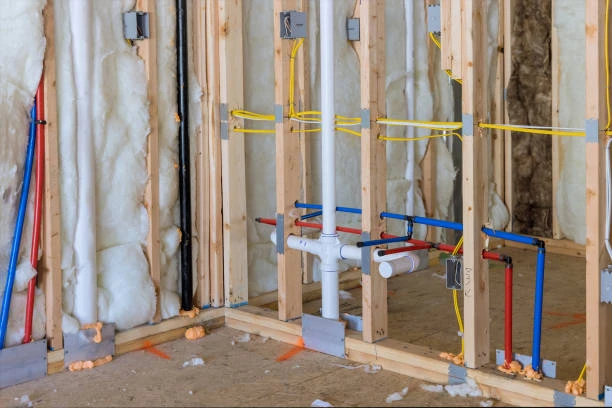
Flexible PEX pipe has changed the way builders, plumbers, and homeowners approach plumbing systems. Its flexibility stands as one of its most valuable qualities. While many materials claim to offer durability or cost-effectiveness, PEX surpasses expectations by combining those traits with outstanding flexibility. This article takes a deep dive into how flexible PEX pipe delivers superior bending ability, why it matters in plumbing applications, and how it compares to other pipe materials in terms of flexibility.
Introduction to PEX and Its Flexible Nature
Cross-linked polyethylene, or PEX, serves as the foundation for flexible piping systems. The manufacturing process introduces cross-links between polymer chains. These links give the pipe strength, durability, and most importantly, flexibility. Unlike rigid piping materials, PEX bends and curves without breaking or losing structural integrity.
Installers and engineers recognize flexible PEX pipe as a time-saving and efficient choice. Its bendability allows workers to route pipes around corners and through tight spaces with minimal fittings. As a result, installation becomes faster and simpler, especially in remodeling or tight layout projects.
The Science Behind Flexibility in PEX Pipe
The flexibility of PEX pipe comes from both its base material and the method of cross-linking. The manufacturer begins with high-density polyethylene (HDPE), known for strength and chemical resistance. Then, they use one of several techniques to create cross-links between the polymer chains. These bonds form a three-dimensional network that strengthens the pipe and lets it flex without damage.
Three primary types of PEX exist:
- PEX-A, which uses the peroxide method for cross-linking
- PEX-B, which applies silane grafting and moisture curing
- PEX-C, which uses electron beam irradiation
Each method affects flexibility differently. PEX-A offers the highest flexibility among the three, while PEX-B and PEX-C provide moderate bendability with improved chemical resistance.
Benefits of Flexibility in Plumbing Systems
Flexible PEX pipe offers more than just easy handling. Its bendability translates into a series of practical advantages:
Faster Installation
Installers often face complex layouts, especially in older buildings. PEX eliminates the need for many elbow joints or transition fittings. Workers route the pipe directly through walls, ceilings, or floors by simply bending it. This feature reduces both labor time and material costs.
Fewer Leak Points
Traditional systems with copper or rigid PVC require multiple connections and fittings. Each connection increases the chance of leaks over time. PEX, on the other hand, reduces the number of joints in a system. As a result, the overall risk of leakage drops significantly.
Improved Freeze Resistance
When water freezes, it expands. Rigid pipes often burst under this pressure. PEX, however, flexes and expands with the frozen water. This flexibility reduces the chance of pipe failure during extreme cold spells. While no pipe remains completely freeze-proof, PEX offers far better protection.
Adaptability to Tight Spaces
Modern homes and renovations include tight mechanical spaces. Rigid pipes limit design possibilities, forcing additional demolition or layout adjustments. PEX handles sharp turns and narrow chases without requiring significant space. Installers can run long lengths of pipe without cutting or adding bends.
Flexibility vs. Other Pipe Materials
To truly understand the value of PEX flexibility, one must compare it to other common piping materials:
PEX vs. Copper
Copper piping remains widely used, especially in older constructions. However, copper cannot bend easily. Installers must use fittings to navigate around obstacles. Every fitting introduces cost and potential failure points. PEX bends smoothly around corners and eliminates most of these challenges.
PEX vs. PVC and CPVC
PVC and CPVC pipes also serve many plumbing and industrial uses. But their rigid structure limits their use in tight spaces. While workers can heat and bend CPVC slightly, the process adds risk. PEX requires no such manipulation. Its flexibility remains consistent from the factory to the job site.
PEX vs. PERT and PB
PERT (Polyethylene of Raised Temperature Resistance) and PB (Polybutylene) offer some flexibility. However, neither matches PEX in terms of pressure resistance or long-term performance. PEX maintains a superior balance between strength, temperature resistance, and bendability.
Applications That Rely on PEX Flexibility
Many sectors take advantage of PEX’s flexibility. The pipe adapts to diverse plumbing designs, making it useful in:
Residential Plumbing Systems
Homeowners benefit most from PEX in full-home water distribution systems. The pipe can weave through studs and floor joists with ease. Builders often install manifold-based systems that run PEX to each outlet without joints.
Radiant Heating
Radiant floor heating depends heavily on flexible piping. PEX can snake through floor cavities or embed in concrete. Its ability to hold tight curves ensures even heat distribution across a room.
Re-piping Projects
Old buildings often present unusual angles and limited access. Flexible PEX pipe solves this problem by adjusting to existing walls and structural features. Workers avoid major demolition, saving time and cost.
Fire Suppression Systems
Some fire sprinkler systems now use PEX piping. Its flexibility allows quick installation in ceilings and attics. The pipe resists cracking under high temperatures and performs well under pressure.
How to Measure and Understand Flexibility
Not all PEX pipes behave the same. The flexibility of a pipe depends on multiple factors:
- Pipe diameter: Smaller diameters bend more easily
- Wall thickness: Thicker walls reduce flexibility
- Cross-linking method: As discussed, PEX-A bends better than PEX-B or PEX-C
- Temperature: Warmer pipes flex more than cold ones
Installers often judge flexibility by a pipe’s minimum bend radius. This measurement tells users how tightly they can curve the pipe without causing damage or flow restriction. PEX-A pipes often achieve the tightest bend radius, sometimes as small as six times the pipe diameter.
Durability and Flexibility Work Together
Flexibility does not mean weakness. In fact, PEX retains its shape after bending and rebounds from stress. Unlike metal pipes that deform under pressure, PEX absorbs impacts and resists cracking. Even after years of service, it maintains its original bend characteristics.
Manufacturers test PEX for cyclical bending and return-to-form performance. The pipe must endure thousands of bend-and-relax cycles without signs of fatigue. These tests ensure long-term reliability in applications that involve movement or vibration.
Factors That Influence Long-Term Flexibility
Over time, some environmental factors can reduce PEX pipe flexibility:
- UV exposure: Direct sunlight can degrade polymers, so manufacturers recommend storing PEX in shaded areas
- High temperatures: Continuous exposure to extreme heat can slowly stiffen the material
- Chemical exposure: Harsh solvents or corrosive substances may weaken the pipe’s outer surface
However, proper installation and protection measures can preserve flexibility for decades. When shielded from damaging elements, PEX continues to deliver dependable performance.
Storage and Handling Tips
Contractors and suppliers must handle PEX carefully to preserve its flexibility. Some best practices include:
- Avoid sharp bends during cold weather, since the pipe stiffens slightly
- Store coils upright to prevent tangles and damage
- Protect from direct UV light to maintain outer layer integrity
- Use the recommended bend radius and support spacing to avoid stress points
By following these steps, users ensure that the pipe retains its full range of motion and resilience throughout installation and service.
Innovation and Improvements
Manufacturers continue to enhance the flexibility of PEX products. Innovations include:
- Co-extruded layers that combine softness with increased abrasion resistance
- Anti-kink designs that prevent deformation under tight bends
- Color-coded options that distinguish hot and cold lines without affecting flexibility
- Pre-insulated versions that combine thermal efficiency with ease of handling
These innovations target both residential and commercial markets, where fast, efficient installation remains a top priority.
Cost Implications of Flexible PEX Pipe
Flexible PEX pipe reduces overall project costs in several ways:
- Fewer fittings translate into lower material expenses
- Faster installation reduces labor hours and speeds up project timelines
- Less scrap results from accurate bends and minimal cutting
- Smaller crew requirements save contractor costs on manpower
Because of these savings, many developers now specify PEX as the preferred material in both new and retrofit projects.
Conclusion
Flexible PEX pipe brings unmatched convenience and adaptability to modern plumbing. Its unique material structure enables tight bends, efficient routing, and long-term durability. Unlike rigid materials, PEX meets complex layout demands without extra fittings or costly labor.
From residential water systems to radiant heating and beyond, flexible PEX pipe delivers superior performance wherever it goes. As technology improves and demand increases, manufacturers continue to refine its composition and flexibility. Today, builders and homeowners can trust PEX to provide fast, safe, and flexible solutions for nearly any plumbing challenge.
IFAN international standard
IFAN products comply with various internationally recognized standards to ensure quality and reliability. These standards include ISO 15875, GB/T 18992, DIN 16892, ASTM F877, ASTM F2788, BS 7291, BS EN ISO 15875, and CSA B137. Adherence to these certifications demonstrates IFAN’s commitment to meeting global requirements for performance, safety, and durability in piping systems.
Contact
IFAN is a professional manufacturer with of experience, dedicated to producing high-quality plastic pipes, fittings, and valves. Our products include brass valves, PPR valves, as well as various pipes and fittings to meet different customer needs. Whether you need plumbing and drainage pipes or valve products, IFAN can provide a diverse range of high-quality, cost-effective products to support your projects. Below is our contact information.
We will reply your email or fax within 24 hours.
You can call us at any time if there is any question on our production.
For more information,pls visit our webside https://www.ifanplus.com/
Pls Mailto: [email protected]
Whatsapp: + 86 19857948982























