


Introduction
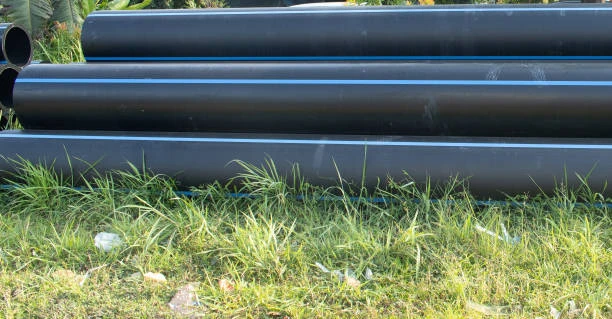
Modern societies face increasing pressure to reduce environmental impact, conserve natural resources, and build sustainable infrastructure. In this context, pe high density pipe(HDPE pipe) stands out as an environmentally friendly solution for fluid and gas transportation. Industries, municipalities, and developers continue to choose HDPE pipe because it combines excellent performance with eco-conscious benefits.
This article explores how HDPE pipe contributes to environmental protection, energy savings, and sustainable construction practices. It also examines the reasons behind its growing popularity among environmentally aware decision-makers.
What Makes PE High-Density Pipe Eco-Friendly?
PE high-density pipe uses high-density polyethylene, a recyclable thermoplastic. Manufacturers produce it with minimal waste and recycle leftover material into new pipes or plastic products. During use, HDPE pipe resists corrosion, minimizes leaks, and lowers maintenance needs—factors that reduce environmental strain over time.
Because HDPE pipes weigh less than metal or concrete alternatives, transportation consumes less fuel and produces fewer emissions. Their long service life also means fewer replacements and less landfill waste.
Clean Production Processes Reduce Pollution
HDPE pipe manufacturers use clean, efficient production methods. They rely on extrusion techniques that create consistent pipe shapes with minimal environmental impact. Unlike metal smelting or concrete casting, polyethylene extrusion generates very low greenhouse gas emissions.
Many facilities use closed-loop cooling systems that reuse water and prevent discharge into rivers or drains. Recyclable packaging, energy-efficient machinery, and in-house recycling all contribute to cleaner production lines. As demand for green infrastructure grows, factories improve sustainability standards to attract eco-conscious buyers.
Lightweight Pipes Lower Carbon Emissions
Transportation often generates significant carbon emissions during infrastructure projects. HDPE pipes weigh far less than steel or concrete, so transport trucks burn less fuel when delivering them. This weight advantage cuts emissions across the entire supply chain.
Contractors appreciate the ability to handle HDPE pipes without heavy cranes or multiple workers. Crews reduce energy consumption on-site and complete projects faster. These savings reduce the environmental cost of construction, especially in remote or difficult locations.
Long Lifespan Protects Natural Resources
Durability plays a critical role in sustainable material selection. PE high-density pipe can last over under normal operating conditions. Some installations continue to function reliably for even longer.
Because HDPE resists corrosion, chemical damage, and weathering, owners avoid frequent repairs or replacements. This longevity preserves raw materials, reduces landfill waste, and minimizes energy use over the pipe’s life cycle.
Engineers who prioritize sustainable design prefer HDPE because it reduces the total environmental burden of infrastructure projects.
Corrosion Resistance Prevents Pollution
Corroded pipes often leak harmful substances into soil and groundwater. HDPE does not rust or corrode, even when exposed to harsh environments, chemicals, or moisture. This resistance keeps fluids contained and protects surrounding ecosystems.
In municipal water systems, HDPE pipes prevent contaminants from entering the drinking water supply. In chemical plants, they stop spills that would otherwise harm vegetation or wildlife. Farmers rely on HDPE pipes to deliver clean irrigation water without polluting fields.
By reducing leaks and blockages, HDPE improves environmental safety and supports clean water initiatives around the world.
Leak-Free Joints Preserve Water
HDPE pipe systems use heat fusion to join pipe sections. This process creates strong, seamless connections that eliminate the weak points common in other piping systems. With no gaps or glues, the fusion-welded joints prevent water loss.
Municipalities that replace old pipes with HDPE experience major reductions in water leakage. These savings protect natural water sources and lower the energy required for water treatment and pumping.
In arid regions, HDPE pipe helps conserve water by maximizing the efficiency of irrigation and distribution systems. By delivering every drop where needed, HDPE supports responsible water stewardship.
Energy Efficiency During Flow
PE high-density pipe provides a smooth internal surface, which reduces friction during fluid transport. Liquids move more efficiently through HDPE than through metal or concrete, which often have rougher interiors.
Lower friction means pumps require less energy to maintain pressure and flow rates. Cities and industries save electricity, and utility systems generate fewer emissions. Over time, these operational efficiencies reduce the carbon footprint of pipelines.
Green building designers frequently choose HDPE for chilled water and radiant heating systems because of these energy-saving characteristics.
Chemical Inertness Minimizes Soil and Water Damage
HDPE pipe resists attack from most industrial chemicals, including acids, bases, and salts. When pipes carry hazardous substances, chemical stability becomes essential. HDPE prevents internal reactions and resists damage from outside sources.
Other pipe materials sometimes degrade, leach toxins, or fail when exposed to chemical spills or runoff. HDPE maintains its integrity and protects soil and groundwater. Its inert properties ensure that sensitive environments remain undisturbed.
Environmental agencies often recommend HDPE for landfills, mining sites, and hazardous waste containment because it offers safe and reliable performance.
Recyclability Supports Circular Economy
One of HDPE’s greatest environmental strengths lies in its recyclability. Manufacturers reclaim offcuts, unused sections, and worn-out pipes to create new products. Recycled HDPE returns to the market as piping, containers, or construction materials.
This recyclability supports circular economy models, where materials retain value and avoid landfills. Municipalities that decommission old HDPE pipes often send them to recycling plants rather than dumping them. The process saves energy compared to making new plastic and conserves petroleum-based resources.
Sustainability-focused organizations increasingly require recyclable materials for infrastructure. HDPE meets this criterion without sacrificing performance.
Low Maintenance Minimizes Environmental Impact
Frequent maintenance generates waste, consumes fuel, and increases noise pollution. HDPE pipe systems operate for decades with minimal intervention. Their flexibility reduces the risk of cracking under pressure or shifting ground.
Fewer repairs mean fewer excavations, fewer replacement parts, and fewer emissions from heavy equipment. Maintenance crews reduce their carbon footprint and save time. In remote or ecologically sensitive locations, this advantage becomes even more valuable.
Because HDPE systems rarely break down, they maintain consistent service and support environmental goals through reliability.
Support for Green Building Certifications
Building codes and certification systems increasingly reward sustainable material use. LEED, BREEAM, and other green standards recognize the environmental value of recyclable, energy-efficient materials like HDPE.
Project developers who pursue certification often choose HDPE pipe to earn credits under categories like water efficiency, energy savings, and materials reuse. In high-performance green buildings, HDPE supports rainwater harvesting, greywater recycling, and energy-efficient HVAC systems.
Engineers and architects rely on HDPE to meet environmental benchmarks and improve their buildings’ long-term sustainability ratings.
Resistance to Root Intrusion and Wildlife Disruption
HDPE pipes feature tight joints and seamless structures that prevent tree roots and small animals from entering. When roots invade other types of pipes, they create blockages and leaks that harm underground ecosystems.
HDPE protects both the pipeline and surrounding soil. Urban green spaces and forested areas remain healthier when root systems stay intact and undisturbed. Wildlife corridors and wetlands near pipeline installations also remain unaffected, because HDPE avoids contamination and erosion.
As urban planners integrate infrastructure with natural landscapes, HDPE allows coexistence between development and ecology.
Application in Renewable Energy Projects
Renewable energy installations require piping systems that align with their sustainability principles. Solar farms use HDPE for electrical conduits and cooling systems. Biogas plants use HDPE for slurry transport and drainage. Hydropower stations rely on HDPE for safe water diversion and flow control.
These projects favor HDPE because of its eco-friendliness, long service life, and low maintenance. Suppliers who support the green energy industry continue to invest in HDPE pipe production, driving even greater demand and innovation.
Cost Savings Reinforce Environmental Responsibility
Environmental protection often begins with economic decisions. Builders, city planners, and homeowners want eco-friendly materials that also save money. HDPE pipe reduces life-cycle costs through lower energy use, easy installation, and minimal repair needs.
Because cost and sustainability align in this case, more people choose HDPE. These decisions drive environmental change by scaling up the adoption of responsible materials. Every mile of HDPE pipe laid reduces emissions, protects ecosystems, and strengthens infrastructure for future generations.
Global Shift Toward Sustainable Infrastructure
Nations worldwide recognize the urgency of sustainable development. International agreements, climate policies, and environmental regulations influence infrastructure planning. Governments promote low-impact materials and incentivize green construction.
PE high-density pipe fits within these global objectives. Engineers include HDPE in designs for smart cities, climate-resilient infrastructure, and carbon-neutral projects. Manufacturers respond by scaling up production and enhancing recycling programs.
As this global shift continues, HDPE will remain a cornerstone of environmentally sound infrastructure solutions.
Education Increases Green Awareness
Industry professionals, students, and consumers now receive better education about sustainable materials. Environmental science programs, green building courses, and professional development sessions all promote the benefits of HDPE.
Associations, manufacturers, and advocacy groups publish technical guides, organize seminars, and sponsor research. These efforts increase awareness and encourage more sustainable construction practices.
As knowledge spreads, demand for HDPE grows. People across sectors gain confidence in the environmental performance of this versatile material.
Conclusion
PE high-density pipe offers one of the most environmentally responsible choices in modern piping. Its clean manufacturing, long service life, recyclability, and leak-free performance support both human needs and ecological balance. Governments, industries, and individuals continue to adopt HDPE because it aligns with environmental goals and delivers practical, cost-effective results.
As the world focuses more on sustainability, HDPE pipe will help build greener cities, cleaner water systems, and more resilient infrastructure. Its environmental advantages ensure long-term success in a changing world.
IFAN international standard
IFAN’s HDPE compression fittings and pipes comply with a wide range of international standards, ensuring high performance and global compatibility. These include ASTM D3035 and ASTM D3350 from the United States, ISO 4427 series and EN 12201 series from Europe, DIN 8074/8075 from Germany, GB/T 13663 series from China, AS/NZS 4130 from Australia and New Zealand, JIS K6760 from Japan, BS 6572 from the United Kingdom, and CSA B137.1 from Canada. Adherence to these standards guarantees excellent mechanical properties, chemical resistance, and long-term durability across diverse water supply and industrial applications.
Contact
IFAN is a professional manufacturer with of experience, dedicated to producing high-quality plastic pipes, fittings, and valves. Our products include brass valves, PPR valves, as well as various pipes and fittings to meet different customer needs. Whether you need plumbing and drainage pipes or valve products, IFAN can provide a diverse range of high-quality, cost-effective products to support your projects. Below is our contact information.
We will reply your email or fax within 24 hours.
You can call us at any time if there is any question on our production.
For more information,pls visit our webside https://www.ifanplus.com/
Pls Mailto: [email protected]
Whatsapp: + 86 19857948982























