


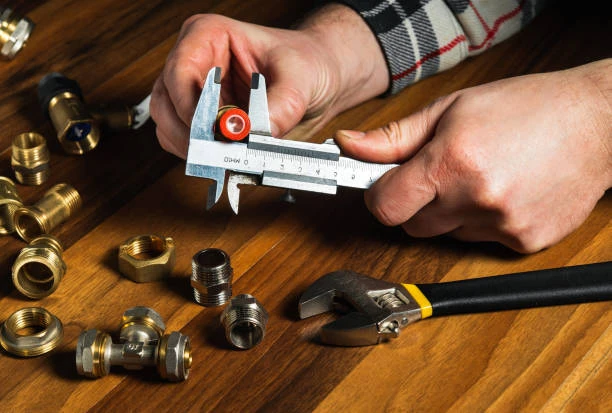
Brass angle valves play a crucial role in plumbing systems, HVAC applications, and industrial fluid control. These valves offer durability, corrosion resistance, and reliable performance, making them essential for both residential and commercial installations. However, beyond their functional benefits, brass angle valves also contribute significantly to environmental sustainability. With increasing global emphasis on eco-friendly materials and energy-efficient systems, brass angle valves provide multiple environmental advantages.
This article explores the environmental impact of brass angle valves, focusing on their sustainability, recyclability, durability, water efficiency, and role in reducing overall resource consumption. By understanding these factors, consumers and industries can make informed decisions that align with long-term environmental goals.
Sustainability of Brass as a Material
Brass, an alloy of copper and zinc, offers sustainable properties that make it an environmentally responsible choice for manufacturing valves. Since copper and zinc occur naturally and are widely available, brass production does not rely on synthetic or petroleum-based materials. Unlike plastic valves, which depend on fossil fuels for manufacturing, brass provides a more eco-friendly alternative.
Additionally, brass production involves relatively low energy consumption compared to other metals such as aluminum and steel. Many manufacturers use energy-efficient smelting and casting techniques to minimize environmental impact. As industries continue to implement cleaner production methods, the environmental footprint of brass angle valves becomes even smaller.
Furthermore, brass has a long service life, reducing the need for frequent replacements. Since fewer resources are required for maintenance and replacement, the overall environmental burden decreases. Long-lasting materials help conserve natural resources and reduce waste accumulation, making brass angle valves a sustainable choice for various applications.
Recyclability and Circular Economy Contribution
One of the most significant environmental benefits of brass angle valves lies in their recyclability. Unlike many synthetic materials, brass can be fully recycled without losing its essential properties. This characteristic allows manufacturers to produce new brass components using recycled materials, reducing the demand for virgin raw materials.
Moreover, the brass recycling process requires significantly less energy than primary production. Melting and reprocessing scrap brass consume less energy and produce fewer emissions, contributing to a lower carbon footprint. Many industries actively collect and recycle old brass fittings, reducing landfill waste and promoting a circular economy.
By choosing brass angle valves, consumers and businesses support sustainable manufacturing practices. Since brass recycling rates remain high, the industry continues to reduce its reliance on new raw materials while maintaining product quality. This approach benefits both the environment and the economy by promoting resource efficiency and reducing costs associated with raw material extraction.
Durability and Reduced Waste Generation
Another crucial environmental advantage of brass angle valves is their exceptional durability. Since these valves resist corrosion, mechanical wear, and extreme temperature fluctuations, they last longer than many alternative materials. Durability directly impacts environmental sustainability by reducing waste generation and minimizing the need for frequent replacements.
Plastic valves, for example, degrade over time due to exposure to heat, pressure, and chemicals. As a result, they often require more frequent replacements, leading to increased plastic waste. In contrast, brass angle valves maintain their structural integrity for decades, ensuring long-term performance with minimal environmental impact.
Additionally, fewer replacements mean fewer resources used for manufacturing, transportation, and disposal. This reduction in material consumption contributes to lower greenhouse gas emissions and a more sustainable plumbing and fluid control industry. By investing in high-quality brass angle valves, individuals and businesses can reduce waste and contribute to long-term environmental conservation efforts.
Water Efficiency and Leak Prevention
Water conservation remains a key focus of global environmental initiatives. Leaking or inefficient plumbing systems contribute to excessive water waste, increasing strain on natural water resources. Brass angle valves provide excellent sealing properties, reducing the risk of leaks and improving water efficiency.
Since brass valves offer precision control over water flow, they help prevent unnecessary water usage. Many modern designs incorporate advanced sealing mechanisms that minimize drips and leaks, ensuring optimal efficiency. When used in residential, commercial, and industrial settings, these valves contribute to significant water savings over time.
Moreover, water-efficient plumbing components align with green building certifications and sustainability standards. Many eco-conscious construction projects specify brass angle valves to improve overall water conservation efforts. As more businesses and homeowners prioritize environmental responsibility, the demand for water-efficient brass valves continues to grow.
Energy Efficiency in Plumbing and HVAC Systems
Beyond water conservation, brass angle valves also contribute to energy efficiency. Many plumbing and HVAC systems rely on efficient fluid control to optimize performance and minimize energy waste. Poorly functioning valves cause pressure fluctuations, increasing the energy required to maintain consistent water flow and temperature regulation.
Brass angle valves help maintain stable pressure levels, reducing the energy demand on pumps and heating systems. Since they offer smooth operation and minimal resistance, they optimize water distribution while preventing unnecessary strain on infrastructure. In large-scale applications such as commercial buildings and industrial plants, energy-efficient valves significantly reduce operational costs and environmental impact.
Furthermore, brass’s excellent thermal conductivity improves heat transfer efficiency in HVAC systems. This property ensures that heating and cooling processes operate more effectively, reducing overall energy consumption. By using brass angle valves in energy-conscious designs, businesses and homeowners can lower their carbon footprint while maintaining high system performance.
Reduced Chemical Usage and Environmental Safety
Another critical environmental advantage of brass angle valves relates to their resistance to chemical degradation. Many plumbing systems use chemical treatments to prevent corrosion, scaling, and microbial growth. However, excessive chemical use negatively impacts the environment, contaminating water sources and soil.
Since brass naturally resists corrosion and bacterial growth, it reduces the need for harsh chemical treatments. This characteristic makes brass angle valves particularly beneficial for drinking water systems and eco-friendly plumbing installations. By minimizing chemical usage, brass valves help protect water quality and reduce pollution.
Additionally, brass does not release harmful substances into water systems. Some plastic valves contain additives and stabilizers that may leach into water over time, posing potential health risks. Brass angle valves provide a safer and more environmentally responsible alternative for water distribution networks.
Compliance with Green Building Certifications
As global construction trends move toward sustainability, many projects require environmentally friendly building materials. Green building certification programs, such as LEED (Leadership in Energy and Environmental Design) and BREEAM (Building Research Establishment Environmental Assessment Method), prioritize water and energy-efficient plumbing components.
Brass angle valves align with these certification criteria by offering durability, water efficiency, and recyclability. Many manufacturers now produce lead-free brass valves, further enhancing their suitability for sustainable construction projects. By choosing certified eco-friendly plumbing components, developers and contractors can meet environmental regulations while improving overall system performance.
Furthermore, governments and regulatory bodies continue to encourage sustainable construction practices. Many building codes and standards promote the use of recyclable and long-lasting materials to reduce environmental impact. As a result, brass angle valves remain a preferred choice for environmentally responsible plumbing installations.
Future Trends and Innovations in Eco-Friendly Brass Valves
The plumbing and valve manufacturing industry continues to innovate, introducing new technologies that enhance sustainability. Many manufacturers now develop eco-friendly brass alloys with improved recyclability and reduced environmental impact. Additionally, advancements in precision engineering allow for more efficient valve designs that further optimize water and energy usage.
Smart plumbing solutions also gain popularity, integrating sensors and automation to enhance efficiency. Some modern brass angle valves now include smart controls that monitor water flow, detect leaks, and optimize usage. These innovations contribute to sustainable resource management while reducing long-term environmental impact.
As environmental awareness grows, the demand for eco-friendly plumbing components will continue to rise. Brass angle valves, with their durability, recyclability, and water-saving benefits, will play an increasingly important role in sustainable infrastructure. By embracing these advancements, industries and consumers can contribute to a greener and more efficient future.
Conclusion
Brass angle valves offer numerous environmental benefits, from sustainability and recyclability to water efficiency and energy conservation. Their durability reduces waste generation, while their chemical resistance minimizes pollution risks. Additionally, brass valves contribute to efficient plumbing and HVAC systems, further supporting eco-friendly initiatives.
As industries and individuals prioritize sustainability, brass angle valves remain a reliable and responsible choice. By investing in high-quality, recyclable, and efficient plumbing components, businesses and homeowners can contribute to environmental conservation while enjoying long-lasting performance. The continued development of eco-friendly brass valves ensures that they will play a vital role in sustainable water management for years to come.
IFAN international standard
IFAN’s HDPE products comply with various international standards, ensuring quality, durability, and reliability. These standards include ASTM D3035 and ASTM D3350, which define specifications for polyethylene (PE) pipes and materials. The ISO 4427 and EN 12201 series set global benchmarks for PE pipes used in water supply systems. Additionally, DIN 8074/8075 and GB/T 13663 establish performance and dimension requirements for HDPE pipes in European and Chinese markets. Other recognized standards, such as AS/NZS 4130 (Australia/New Zealand), JIS K6760 (Japan), BS 6572 (UK), and CSA B137.1 (Canada), further demonstrate IFAN’s commitment to meeting industry regulations worldwide.
Contact
IFAN is a professional manufacturer with of experience, dedicated to producing high-quality plastic pipes, fittings, and valves. Our products include brass valves, PPR valves, as well as various pipes and fittings to meet different customer needs. Whether you need plumbing and drainage pipes or valve products, IFAN can provide a diverse range of high-quality, cost-effective products to support your projects. Below is our contact information.
We will reply your email or fax within 24 hours.
You can call us at any time if there is any question on our production.
For more information,pls visit our webside https://www.ifanplus.com/
Pls Mailto: [email protected]
Whatsapp: + 86 19857948982























