


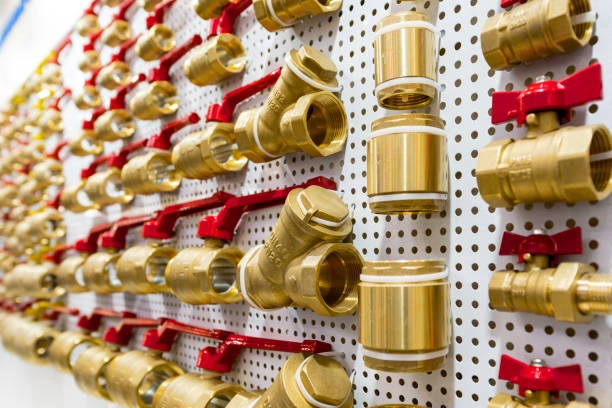
The modern plumbing industry depends on reliable, long-lasting, and energy-efficient components. One such essential part is the copper stop valve. Known for its dependability and superior performance, this valve plays a critical role in both residential and commercial water systems.
This article explores the concept of an efficient copper stop valve—how it works, where it’s used, how to choose one, and why it may be a better option than other valve materials. By the end, you’ll understand why efficiency is more than just water flow—it’s about performance, longevity, and system compatibility.
FAQ: Frequently Asked Questions
1. What makes a copper stop valve efficient?
Its design allows precise control of water flow while minimizing leaks and pressure drops, resulting in system-wide efficiency.
2. Can I use a copper stop valve for both hot and cold water?
Yes. Copper is resistant to high temperatures, making it suitable for both hot and cold water applications.
3. Is it safe for drinking water?
Absolutely. Most copper stop valves meet international standards for potable water safety, especially when made from lead-free materials.
4. Do efficient valves help save water?
Yes. Well-designed valves prevent leakage and maintain consistent pressure, helping reduce water waste.
5. Are copper stop valves compatible with other pipe types?
Yes. While designed for copper piping, they can also connect to PEX or CPVC using appropriate adapters.
What Is a Copper Stop Valve?
A copper stop valve is a manual shut-off valve installed on copper water lines. It allows users to control or halt the water flow to specific plumbing fixtures such as faucets, toilets, or appliances. Its core efficiency comes from its ability to perform reliably under pressure and high temperature without frequent maintenance.
Key Features of an Efficient Copper Stop Valve
- Smooth operation for easy water shut-off or adjustment
- Minimal flow restriction, maintaining steady water pressure
- Precision-machined internals that reduce wear and extend lifespan
- High compatibility with other materials and fittings
- Temperature and corrosion resistance thanks to copper and brass construction
An efficient valve doesn’t just function—it performs well consistently, even after years of use.
Applications and Industries
The copper stop valve is used in many sectors where flow control and system performance are critical.
Residential Uses
- Shut-off points for sinks, toilets, dishwashers, and washing machines
- Emergency isolation in water heater lines
- Outdoor faucet control
- Under-sink and behind-appliance installations
Commercial and Industrial Sectors
- Hotels and hospitality plumbing systems
- Apartment complexes and high-rise buildings
- Schools, hospitals, and government facilities
- HVAC systems and mechanical rooms
Its durability and precise flow control make it suitable for high-demand systems where downtime is costly.
How to Choose the Right Copper Stop Valve
Selecting the best copper stop valve means evaluating not just the price but also material quality, certifications, connection type, and brand support.
Material and Build
Opt for lead-free brass or high-grade copper alloy. Forged valves offer better performance than cast ones. Look for tight machining tolerances to minimize internal wear.
Certifications
Valves certified for potable water use should carry markings such as:
- NSF/ANSI 61 for drinking water safety
- UPC compliance for building codes
- Lead-free labeling for health compliance
Connection Type
Choose a connection type based on your installation needs:
- Sweat (soldered) for permanent, pressure-resistant joints
- Compression for quick and secure installation
- Push-fit for tool-free, easy connections in tight spaces
Handle and Operation
Some efficient copper stop valves feature quarter-turn ball mechanisms, allowing for quick on-off control. Others use multi-turn wheel handles, which are more traditional and allow finer flow adjustments.
Brand and Warranty
Reputable brands back their valves with strong warranties and quality guarantees. Consider manufacturers that specialize in plumbing components and have strong after-sales support.
Installation Tips for Maximum Efficiency
A poorly installed valve can lead to leaks, pressure loss, and inefficiency. Here are steps to ensure optimal performance:
Preparation
- Turn off the main water supply before installation
- Clean the pipe surface to remove any oxidation or debris
- Use appropriate tools to avoid damaging the valve or pipe
Installation
- Sweat valves: Apply flux and solder with care to avoid overheating
- Compression valves: Ensure the ferrule and nut are properly aligned and tightened
- Push-fit valves: Push firmly until fully seated—verify with visual depth markings
Post-Installation
- Slowly turn on the water and inspect for leaks
- Open and close the valve a few times to test movement and seal
- Label the valve if hidden to allow easy future access
Correct installation is essential for maximizing the valve’s efficiency and lifespan.
Copper Stop Valve vs Other Valve Types
Let’s compare the copper stop valve to other common options like plastic and stainless steel valves in terms of efficiency:
| Feature | Copper Stop Valve | Plastic Valve | Stainless Steel Valve |
|---|---|---|---|
| Flow Control Efficiency | High | Moderate | High |
| Heat Resistance | Excellent | Low to moderate | Excellent |
| Pressure Tolerance | Excellent | Moderate | Excellent |
| Installation Ease | Moderate | High | Moderate |
| Longevity | 20– | 5–10 years | 30– |
| Eco-Friendliness | Recyclable | Limited | Recyclable |
| Initial Cost | Moderate | Low | High |
While plastic valves may offer short-term savings, copper stop valves deliver better performance, safety, and system reliability over time.
Summary
An efficient copper stop valve offers a superior blend of durability, reliability, and energy-saving performance. Its ability to withstand heat, pressure, and corrosion while maintaining smooth operation makes it a valuable part of any plumbing system.
When selecting a copper stop valve, consider not only the cost but also the quality of materials, installation method, certifications, and long-term benefits. Whether in a home, office, or industrial site, this type of valve remains a trusted choice for managing water flow efficiently.
If long-term value, reduced maintenance, and optimal performance are important to your plumbing setup, an efficient copper stop valve is the right investment.
Contact IFAN for Catalogs and Samples
Need technical documents, catalogs, or sample products? Reach out to IFAN today.
📧 Email: [email protected]
📱 Whatsapp: +86 19857948982
Our team responds quickly and provides professional support for all your pipeline needs.
IFAN international standard
IFAN’s HDPE compression fittings and pipes comply with a wide range of international standards, ensuring high performance and global compatibility. These include ASTM D3035 and ASTM D3350 from the United States, ISO 4427 series and EN 12201 series from Europe, DIN 8074/8075 from Germany, GB/T 13663 series from China, AS/NZS 4130 from Australia and New Zealand, JIS K6760 from Japan, BS 6572 from the United Kingdom, and CSA B137.1 from Canada. Adherence to these standards guarantees excellent mechanical properties, chemical resistance, and long-term durability across diverse water supply and industrial applications.























