


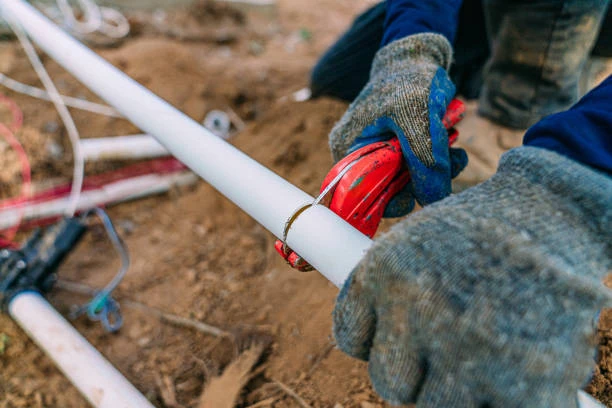
Tubing cutters are essential tools used in various industries to cut pipes and tubes accurately and efficiently. These tools significantly enhance productivity by providing precise, clean cuts with minimal effort and time. Whether you are a plumber, HVAC technician, or working in any field that involves pipe installation, understanding the efficiency of tubing cutters can help you choose the best tool for your job. This article will explore the key factors that contribute to the efficiency of tubing cutters and how they can streamline tasks in various applications.
Key Factors Affecting the Efficiency of Tubing Cutters
Several factors determine the overall efficiency of tubing cutters. These factors include the type of cutter, material being cut, pipe size, and the user’s skill level. Let’s explore each of these factors in detail.
Type of Tubing Cutter
The design and features of a tubing cutter significantly impact its efficiency. Tubing cutters come in different types, each suited for specific tasks. The most common types include:
- Manual Tubing Cutters: These are compact and versatile tools, ideal for cutting soft materials like copper and PVC. They offer ease of use and provide high efficiency when working with small to medium pipe sizes.
- Ratchet Tubing Cutters: These cutters feature a ratchet mechanism that makes it easier to cut through tougher materials like stainless steel or thicker pipes. The ratcheting mechanism ensures that the user applies consistent pressure, which increases efficiency when working with larger or harder materials.
- Heavy-Duty Tubing Cutters: Designed for industrial and commercial applications, these cutters can handle large diameter pipes and thick-walled materials. Their robust design ensures fast and efficient cuts without the need for excessive force.
- Hydraulic Tubing Cutters: Hydraulic cutters provide maximum efficiency when cutting thick, industrial pipes. The hydraulic power makes the cutting process easier and faster, especially when dealing with large, high-pressure systems.
Choosing the right type of tubing cutter based on the material and pipe size will greatly improve efficiency. For example, using a ratchet cutter for tougher materials or a manual cutter for softer materials can help speed up the job.
Material Being Cut
The material being cut plays a significant role in how efficiently a tubing cutter performs. Different materials have varying degrees of hardness, which can affect the cutting process. For example:
- Copper: Copper pipes are relatively soft and easy to cut, making them ideal for manual cutters. A tubing cutter with a sharp cutting wheel can slice through copper quickly and efficiently.
- PVC: PVC pipes are also soft but may require a cutter with a more durable blade to maintain efficiency over time. Tubing cutters designed for plastic pipes ensure clean cuts without splintering or cracking the material.
- Stainless Steel: Stainless steel is much harder and requires specialized tubing cutters with strong cutting wheels or ratcheting mechanisms. These cutters allow users to apply incremental pressure to ensure a smooth cut without putting undue strain on the tool.
Understanding the material properties and using the appropriate cutter for the job will ensure that the cutting process is as efficient as possible. A cutter designed for the specific material will provide faster, cleaner cuts with less effort.
Pipe Size
The size of the pipe being cut also affects the efficiency of the tubing cutter. Some cutters are designed for small to medium pipes, while others are built for larger, more demanding jobs. The size of the pipe determines the force needed to cut through it and the cutting tool’s required design.
- Small Pipes: Smaller pipes, such as those used in household plumbing, are generally easier to cut and can be efficiently handled by manual cutters. These cutters allow users to make quick cuts without excessive force, making the process faster and more efficient.
- Larger Pipes: Larger pipes require more effort and may require ratchet or heavy-duty cutters. Tubing cutters designed for larger pipes distribute the pressure more evenly, making the process more efficient and less physically demanding. In these cases, ratchet cutters allow the user to maintain a consistent cutting force, which speeds up the work.
Cutting Speed
One of the primary advantages of tubing cutters is their ability to increase cutting speed. Unlike traditional saws, tubing cutters offer a smooth, steady cutting action that reduces time spent on each cut. The rotary cutting motion allows users to maintain a consistent pace, which is ideal for tasks that involve cutting multiple pipes or tubes.
In industrial and commercial settings, where high productivity is essential, the ability to cut multiple pipes quickly is crucial. Tubing cutters designed for high-efficiency cutting minimize downtime and ensure that workers can complete jobs faster. For example, hydraulic tubing cutters excel in fast-paced environments, as they provide consistent and powerful cuts, saving time and energy.
Precision and Cleanliness
Efficiency is not only about speed but also about precision and cleanliness. Tubing cutters are designed to produce precise cuts without burrs or jagged edges. Clean, accurate cuts are essential for the proper fitting of joints and connections, especially in applications like plumbing and HVAC systems. Tubing cutters offer greater control than traditional cutting methods, resulting in a more professional finish.
The precision provided by tubing cutters helps reduce rework and the need for additional adjustments. Since the cuts are clean, users do not have to spend extra time deburring or cleaning the pipe ends, which further improves efficiency. Additionally, fewer mistakes result in fewer delays during installation or assembly.
Ease of Use
The efficiency of a tubing cutter is directly influenced by how easy it is to use. Tubing cutters are designed with user comfort and ergonomics in mind. The handle and design ensure that users can apply consistent pressure without straining their hands or wrists. A well-designed cutter allows users to make cuts with minimal effort, which is essential for efficiency, especially during extended use.
For example, ratchet cutters provide more comfort and ease when cutting larger pipes, as they eliminate the need for excessive manual force. Similarly, manual cutters for smaller pipes require less effort and allow for quick, efficient cuts in tight spaces. The overall ease of use plays a significant role in improving the user’s efficiency, reducing fatigue, and increasing overall productivity.
Versatility
A versatile tubing cutter increases efficiency by being adaptable to various tasks. Some tubing cutters are adjustable, making them suitable for different pipe sizes. The ability to cut a range of materials and sizes without needing to switch tools is a major advantage in both residential and industrial settings. Whether cutting copper, PVC, or stainless steel, a versatile tubing cutter can handle multiple types of jobs, making it more efficient than having separate tools for each material.
Maintenance and Longevity
Maintaining a tubing cutter properly ensures that it remains efficient over time. Regular maintenance, such as cleaning the cutting wheel, lubricating moving parts, and replacing worn-out blades, helps the cutter operate at its best. A well-maintained cutter performs more efficiently, reduces the likelihood of errors, and prevents the tool from wearing out prematurely. Routine care ensures that the cutter maintains its cutting speed and precision, making it a valuable long-term investment.
Conclusion
Tubing cutters are highly efficient tools that save time, reduce effort, and provide precise cuts for various industries. Their design, ease of use, and the ability to handle different materials and pipe sizes make them indispensable for tasks ranging from plumbing and HVAC to automotive and construction. By understanding how different factors affect the efficiency of a tubing cutter, users can select the right tool for their needs and achieve maximum productivity. With the right maintenance and proper usage, tubing cutters provide long-lasting efficiency, making them an essential tool in any professional’s toolkit.
IFAN international standard
IFAN products comply with a range of internationally recognized standards, ensuring quality and performance in various applications. These include the ISO 15874 series standards, which outline the specifications for plastic piping systems; the EN 15874 series standards, which cover the requirements for polyethylene (PE) pipes and fittings in water distribution systems; ASTM F2389, which sets the standards for crosslinked polyethylene (PEX) tubing systems; DIN 8077/8078, which address the dimensions and testing of plastic pipes; GB/T 18742 series standards, which are the Chinese national standards for plastic pipes and fittings; and NBR 15884, a Brazilian standard for PE and PEX piping systems. These certifications demonstrate IFAN’s commitment to providing reliable and high-quality products in compliance with global industry standards.
Contact
IFAN is a professional manufacturer with of experience, dedicated to producing high-quality plastic pipes, fittings, and valves. Our products include brass valves, PPR valves, as well as various pipes and fittings to meet different customer needs. Whether you need plumbing and drainage pipes or valve products, IFAN can provide a diverse range of high-quality, cost-effective products to support your projects. Below is our contact information.
We will reply your email or fax within 24 hours.
You can call us at any time if there is any question on our production.
For more information,pls visit our webside https://www.ifanplus.com/
Pls Mailto: [email protected]
Whatsapp: + 86 19857948982























