


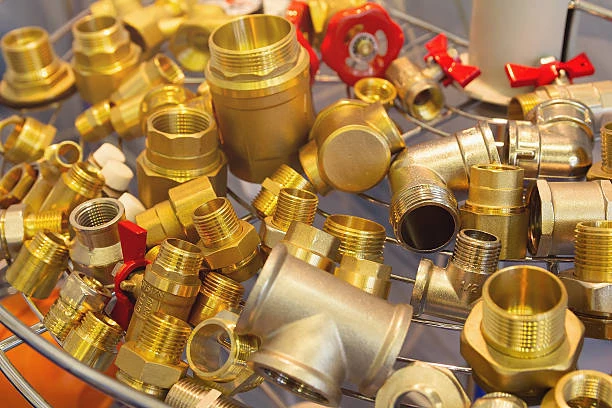
Brass compression fittings provide an efficient and secure way to connect pipes in a variety of systems. Known for their durability and ease of use, these fittings eliminate the need for soldering, glue, or heat. With just a few basic tools, users can create a leak-free connection in minutes. This article will walk you through everything you need to know about them—from their definition and features to installation tips, applications, and how they compare with other connection types.
Frequently Asked Questions (FAQ)
1. What are brass compression fittings?
They are pipe connectors that use mechanical compression to form a tight seal between pipes, often without any heat or solder.
2. Can I install brass compression fittings myself?
Yes. They are designed for quick and easy installation using only simple tools like wrenches.
3. What types of pipes are compatible with these fittings?
They typically work with copper, PEX, or plastic tubing, depending on the fitting design and inserts used.
4. Are brass compression fittings reusable?
Yes. In many cases, they can be reused by replacing the ferrule and retightening the connection.
5. Do they work for both hot and cold water systems?
Absolutely. Brass compression fittings can handle both hot and cold water, as well as moderate gas or air pressure.
What Are Brass Compression Fittings and Their Features?
Brass compression fittings are mechanical pipe connectors designed to join two pipe ends using compression force. They usually consist of three parts:
- A compression nut
- A ferrule (also called an olive)
- A fitting body
When you insert the pipe into the fitting and tighten the nut, the ferrule compresses around the pipe, creating a tight seal. This mechanism does not rely on adhesives or heat, making it ideal for fast, clean installations.
Key Features:
- Quick Installation: No soldering, gluing, or waiting for curing.
- Strong Mechanical Seal: Offers excellent sealing performance for water and gas.
- Reusability: You can disassemble and reassemble most fittings without damaging the pipes.
- Corrosion Resistance: Brass resists rust and corrosion, which makes it ideal for wet environments.
- Versatile Applications: Suitable for a wide range of pressures and temperatures.
These features make brass compression fittings a favorite choice among both DIY users and plumbing professionals.
Common Applications and Industries
Thanks to their reliability and ease of use, they are used in a wide variety of applications.
Plumbing Systems
In residential and commercial plumbing, these fittings are commonly used to connect supply lines, faucets, valves, and meters. Their leak-free performance ensures safe water distribution.
Gas Supply
Brass compression fittings are compatible with certain gas applications, such as natural gas or propane, when approved by local codes and used with the right inserts.
HVAC Installations
Heating and cooling systems often rely on them to connect water lines, air conditioning pipes, and heat exchanger tubing.
Industrial Equipment
Factories use these fittings in hydraulic systems, chemical transfer lines, and pneumatic control systems where maintenance access is necessary.
Agricultural Use
Brass compression fittings also appear in irrigation systems, livestock watering setups, and fertilizer distribution lines due to their corrosion resistance and flexibility.
By meeting the requirements of multiple sectors, these fittings prove their worth in both everyday and high-demand environments.
Buying Guide: How to Choose the Right Brass Compression Fittings
To get the most from your brass compression fittings, you need to select the correct type for your specific needs. Here are some key factors to consider:
1. Pipe Size and Compatibility
Always match the fitting size with the pipe diameter. Also, ensure compatibility with your pipe material—whether it’s copper, PEX, or plastic.
2. Certification and Standards
Choose fittings that meet international standards such as ASTM, CSA, or ISO. For drinking water systems, look for NSF-certified, lead-free brass fittings.
3. Ferrule Type
Some fittings come with metal ferrules, while others use plastic or rubber versions. Match the ferrule material to the application to ensure proper sealing and long-term performance.
4. Surface Finish
Some fittings come polished or nickel-plated for better corrosion resistance or aesthetic appeal in visible installations.
5. Brand Reliability
Stick with brands known for high-quality materials and manufacturing standards. Well-known manufacturers often offer warranties and better customer support.
6. Pressure and Temperature Ratings
Check the product specs to confirm that the fittings can handle your system’s pressure and temperature ranges.
Taking the time to evaluate these aspects helps you avoid leaks, corrosion, or fitting failures in the future.
Installation Tips: How to Use Brass Compression Fittings
Installing brass compression fittings is straightforward, but certain practices help ensure a leak-free result.
Step-by-Step Installation Guide:
Step 1: Cut the Pipe Squarely
Use a pipe cutter to make a clean, square cut. Avoid jagged edges, which can affect sealing.
Step 2: Slide on the Compression Nut and Ferrule
Slide the nut onto the pipe, followed by the ferrule. Make sure the ferrule faces the correct direction.
Step 3: Insert the Pipe into the Fitting Body
Push the pipe into the fitting body until it stops. Ensure full insertion for maximum seal integrity.
Step 4: Tighten the Nut
Hand-tighten the nut, then use two wrenches to secure it further—typically about one full turn.
Step 5: Test for Leaks
After installation, turn on the water or gas supply. If you notice drips, tighten the nut slightly more. Avoid over-tightening, which may damage the fitting.
With proper care, the installation process can be completed in just a few minutes, even in tight or hard-to-reach locations.
Brass Compression Fittings vs. Other Pipe Fitting Methods
Choosing the right type of fitting depends on your project’s requirements. Below is a text-based comparison between brass compression fittings and other common connection types:
Brass Compression Fittings vs. Soldered Copper Fittings
Compression fittings are faster and cleaner to install, requiring no heat or solder. Soldered fittings create permanent joints but demand more tools and skills.
Brass Compression Fittings vs. Push-Fit Fittings
Push-fit fittings snap onto the pipe with ease and are popular for quick repairs. However, they may not be as reusable or strong under high-pressure conditions.
Brass Compression Fittings vs. Threaded Metal Fittings
Threaded fittings require sealing tape or paste and can be difficult to disassemble. Compression fittings are easier to work with and allow quick adjustments.
Brass Compression Fittings vs. Glued PVC Fittings
PVC fittings need solvent cement and time to cure. They also can’t handle high heat, whereas brass compression fittings offer more versatility.
In general, they provide a good balance between speed, strength, and flexibility.
Conclusion
They offer a simple yet highly effective way to connect various types of pipes. Their quick installation process, reliable sealing mechanism, and wide compatibility make them a popular choice across industries. Whether you’re working on a home plumbing project or an industrial gas system, these fittings provide the performance and peace of mind that professionals trust.
With the right size, proper certification, and correct installation techniques, you can count on brass compression fittings to deliver leak-free service for years to come. They make your work cleaner, faster, and more dependable—every time.
Contact IFAN for Catalogs and Samples
Need technical documents, catalogs, or sample products? Reach out to IFAN today.
📧 Email: [email protected]
📱 Whatsapp: +86 19857948982
Our team responds quickly and provides professional support for all your pipeline needs.
IFAN international standard
IFAN piping systems comply with a wide range of international standards to ensure high quality and performance. These include ASTM F1974 and ASTM F1281 for multilayer piping systems, CSA B137 for Canadian plumbing applications, DIN 16836 for German technical specifications, GB18997 for Chinese standards, and ISO 21003, which covers multilayer piping systems used for hot and cold water installations. This broad certification scope highlights IFAN’s commitment to global compliance and product reliability.























