


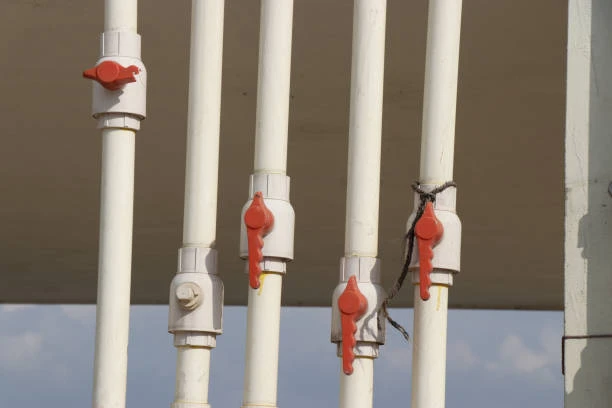
PVC plastic ball valves have become a popular choice in plumbing, irrigation, and industrial fluid systems largely because they are easy to operate. This ease of operation makes them ideal for many users, including homeowners, farmers, and professionals. But what exactly makes PVC ball valves so user-friendly? To answer this question, it is essential to examine the design elements, mechanical features, installation considerations, and practical advantages that contribute to their straightforward operation.
In this article, we will explore these aspects in detail. We will also discuss how the valve’s structure and materials help reduce operational effort, increase reliability, and enable quick, precise control of fluid flow.
What Are PVC Plastic Ball Valves?
Before delving into the ease of operation, it is helpful to briefly define PVC plastic ball valves. They are quarter-turn valves made from polyvinyl chloride (PVC) plastic. The core mechanism includes a spherical ball inside the valve body. The ball has a hole through the center, called the bore. When aligned with the pipeline, fluid flows freely. When the ball rotates 90 degrees, the bore becomes perpendicular, blocking flow and closing the valve.
PVC is a lightweight, corrosion-resistant plastic widely used for piping and fittings. Combining the ball valve design with PVC materials results in a valve that is not only durable but also simple to handle and operate.
Design Features That Facilitate Easy Operation
Several structural and design features of PVC plastic ball valves contribute directly to their ease of use.
1. Quarter-Turn Operation
The most notable characteristic is the quarter-turn mechanism. Unlike gate or globe valves, which require multiple turns to open or close, ball valves open or close with a simple 90-degree turn. This significantly reduces the time and physical effort needed for operation.
Furthermore, the quarter-turn action provides immediate visual feedback. Users can easily see whether the valve is open or closed based on the handle’s position, eliminating guesswork.
2. Lightweight Construction
PVC plastic is inherently lightweight compared to metals like brass or stainless steel. This lightweight nature makes the valve easier to handle and operate, especially in larger sizes.
Because the valve body, ball, and stem are made from plastic materials, even extended use causes less fatigue for operators. This aspect is particularly beneficial when valves are installed in hard-to-reach or elevated locations.
3. Ergonomic Handle Design
Most PVC ball valves feature ergonomically designed handles that fit comfortably in the hand. The handle lever is often sized for easy gripping and turning, even with wet or gloved hands.
Moreover, the lever handle provides good mechanical advantage. This means that even if the valve is under pressure or slightly stiff due to sediment buildup, the user can still turn it without excessive force.
4. Smooth Ball and Seat Interaction
Inside the valve, the ball rotates against soft seats made from materials like EPDM or PTFE. These seats provide a tight seal but also allow the ball to move smoothly.
The combination of a polished ball surface and resilient seats ensures that the valve turns easily and does not stick, which could otherwise complicate operation.
5. Corrosion and Chemical Resistance
PVC’s resistance to corrosion and chemicals prevents common operational problems such as rust or scale buildup that can make valves harder to operate.
Because the internal surfaces remain clean and smooth, the valve maintains consistent ease of movement over time, reducing maintenance needs.
Installation Considerations That Affect Operation
Ease of operation also depends on how the valve is installed. Proper installation ensures that the valve performs smoothly and lasts longer.
1. Proper Alignment and Support
Aligning the valve correctly with the pipeline is critical. Misalignment causes mechanical stress on the valve body and stem, which can lead to leaks or difficulty turning the handle.
Additionally, supporting the pipeline properly around the valve prevents strain on the valve connections. PVC, being less rigid than metal, benefits from extra pipe supports to reduce movement that could hinder operation.
2. Appropriate Valve Size Selection
Selecting the correct valve size is essential. An undersized valve can cause excessive flow resistance, requiring more force to operate under pressure. Conversely, an oversized valve might be bulky and harder to reach.
Choosing the right size ensures balanced flow and manageable operational torque, making the valve easier to turn.
3. Accessibility and Orientation
Installing the valve where the handle is accessible and easy to reach significantly improves ease of operation. Orienting the handle so it can turn freely without obstruction is also important.
In cramped or confined spaces, valves with smaller handles or specialized actuators may be more appropriate for ease of use.
Practical Advantages of Easy Operation
The structural and design benefits translate into several practical advantages for users of PVC plastic ball valves.
1. Quick Flow Control
Because the valve opens or closes fully in just a quarter turn, users can quickly start or stop fluid flow. This is especially useful in irrigation systems or emergency shutoffs, where rapid response is necessary.
2. Reduced Physical Effort
The low torque required to operate PVC ball valves means that users do not need special tools or excessive strength. This is beneficial in residential settings where users might not be trained professionals.
3. Lower Risk of Damage
Smooth, easy turning reduces the risk of accidentally damaging the valve or pipeline during operation. Stiff or stuck valves can break or cause pipe failures, but PVC ball valves’ design minimizes this risk.
4. Minimal Maintenance
Because the valve remains easy to operate over long periods, maintenance intervals are extended. The valve requires fewer repairs or replacements, saving time and cost.
5. Versatility
Easy operation allows PVC ball valves to be used in a variety of systems and conditions. Whether controlling water in a garden or managing chemicals in an industrial plant, users appreciate the straightforward handling.
Troubleshooting and Tips for Maintaining Ease of Operation
While PVC plastic ball valves are designed for ease of use, certain conditions might affect operation. Fortunately, many issues can be addressed with simple maintenance.
1. Cleaning and Lubrication
Sediment, dirt, or mineral deposits can accumulate inside the valve over time. Cleaning the valve internals and applying compatible lubricants to the ball and stem can restore smooth turning.
Always ensure lubricants are suitable for PVC and the fluid being controlled to avoid damage.
2. Checking and Replacing Seals
Worn or damaged seals might cause leaks or increased friction, making the valve harder to turn. Inspecting and replacing seats, O-rings, and stem seals as needed helps maintain easy operation.
3. Avoiding Over-Tightening
Applying excessive force or over-tightening the valve handle can cause damage or deformation to plastic parts. Users should turn the handle gently and only until fully open or closed.
4. Protecting From UV Exposure
Prolonged exposure to sunlight can degrade PVC over time. Using UV-resistant coatings or housing the valve in shaded areas helps preserve material integrity and ease of operation.
Comparing Ease of Operation with Other Valve Types
To appreciate the ease of operation of PVC ball valves, it is helpful to compare them with other valve types.
1. Gate Valves
Gate valves require multiple turns (often several full rotations) to open or close. This takes more time and effort compared to a quarter-turn ball valve.
Moreover, gate valves may stick due to sediment buildup, making them harder to operate.
2. Globe Valves
Globe valves provide fine flow control but also need many turns to adjust. Their more complex internal mechanism adds resistance to operation.
3. Butterfly Valves
Butterfly valves are also quarter-turn and relatively easy to operate. However, butterfly valves often lack the tight sealing that ball valves provide, which can limit their use in certain applications.
Future Trends in Valve Operation Ease
As technology advances, the ease of operating PVC ball valves continues to improve.
1. Automated Actuation
Many PVC ball valves are now compatible with electric or pneumatic actuators. This automation enables remote and effortless operation, especially useful in hazardous or hard-to-reach areas.
2. Enhanced Ergonomics
New handle designs, including oversized or cushioned levers, improve user comfort. Some valves feature locking mechanisms that prevent accidental operation while remaining easy to unlock.
3. Improved Materials
Developments in polymer science have led to PVC blends with better mechanical properties. These improvements reduce operational torque even further, making valves easier to turn under higher pressures.
Conclusion
PVC plastic ball valves stand out for their remarkable ease of operation. The quarter-turn mechanism, lightweight construction, ergonomic handles, and smooth internal design all contribute to user-friendly control. Additionally, their corrosion resistance and proper installation enhance long-term ease of use.
This combination of features results in valves that are quick to open or close, require minimal physical effort, and maintain reliable performance with minimal maintenance. Whether used in irrigation, plumbing, or industrial settings, PVC ball valves provide efficient and hassle-free operation.
Understanding these factors helps users choose, install, and maintain PVC ball valves that meet their operational needs with comfort and confidence.
IFAN international standard
IFAN products comply with a wide range of international standards, ensuring quality and reliability across different markets. These standards include ASTM D2846, DIN 8079/8080, ASTM F441/F441M SCH80, various DIN specifications, the GB/T 18993 Series standards, AS/NZS 1477, CSA B137.6, NSF/ANSI 14, and TIS 17-2532/1131-2535. This broad compliance demonstrates IFAN’s commitment to meeting global requirements and delivering products that meet the strictest performance and safety criteria.
Contact
IFAN is a professional manufacturer with of experience, dedicated to producing high-quality plastic pipes, fittings, and valves. Our products include brass valves, PPR valves, as well as various pipes and fittings to meet different customer needs. Whether you need plumbing and drainage pipes or valve products, IFAN can provide a diverse range of high-quality, cost-effective products to support your projects. Below is our contact information.
We will reply your email or fax within 24 hours.
You can call us at any time if there is any question on our production.
For more information,pls visit our webside https://www.ifanplus.com/
Pls Mailto: [email protected]
Whatsapp: + 86 19857948982























