


In the realm of piping systems, both performance and ease of installation matter. For contractors, engineers, and maintenance crews alike, a piping solution that is easy to handle and quick to install can significantly reduce project timelines and labor costs. Among all piping solutions available today, polyethylene (PE) pipe fittings are especially valued for their ease of installation.
This article explores the reasons why PE pipe fittings are considered a user-friendly solution in the construction and maintenance of water, gas, and industrial piping systems. From lightweight handling and flexible joints to simplified welding techniques and reduced equipment needs, PE fittings offer numerous advantages that streamline installation processes.
Introduction to PE Pipe Fittings
To begin, PE pipe fittings are connectors made from polyethylene that are used to join sections of PE piping. These fittings come in various types, including elbows, tees, couplings, reducers, and end caps. They are widely used in potable water systems, natural gas distribution, sewage networks, irrigation lines, and industrial applications.
One of the main reasons for the popularity of PE fittings is their compatibility with the pipes they serve. More importantly, their material properties and joining methods make them far easier to install than many traditional options such as metal or PVC fittings.
Lightweight Material for Easy Handling
First and foremost, PE pipe fittings are exceptionally lightweight. Unlike metal components, which may require cranes or lifting equipment for transportation and installation, PE fittings can often be handled manually. This not only reduces the physical strain on workers but also minimizes the need for heavy-duty equipment.
Furthermore, because of their light weight, more fittings can be transported in a single delivery. This decreases the number of trips required to deliver materials to the construction site. As a result, transportation becomes more cost-effective and environmentally friendly.
Flexibility Reduces Installation Complexity
Another important advantage is flexibility. PE as a material is inherently flexible, and this flexibility extends to the fittings as well. While fittings themselves are rigid, they are compatible with pipes that can bend and adapt to terrain. This allows installers to make fewer cuts and use fewer joints when laying out a system.
For instance, in sloped or uneven ground, PE pipes and fittings can conform to the landscape without requiring extensive excavation or preparation. Traditional materials often demand perfect alignment, adding time and labor to the process. By contrast, the flexibility of PE piping systems simplifies planning and reduces material waste.
Variety of Joining Methods
One of the most notable advantages of PE pipe fittings lies in the variety of available joining methods. Unlike other piping systems that may rely solely on threaded or solvent-welded joints, PE systems offer multiple connection techniques suited for different conditions.
Butt Fusion Welding
Butt fusion welding is one of the most common methods. It involves heating the ends of the pipe and fitting, then pressing them together until they form a permanent bond. Although this requires a specialized fusion machine, the process is straightforward and highly reliable.
Importantly, the resulting joint is as strong as the pipe itself. This eliminates the need for additional sealing compounds or gaskets, further simplifying the installation. Additionally, butt fusion joints are leak-proof and resistant to pressure, making them ideal for long-term underground installations.
Electrofusion
Electrofusion is another convenient method that uses fittings embedded with electrical coils. When current is applied, the coils generate heat and melt the surrounding PE material, creating a strong and uniform bond. Electrofusion units are portable and easy to operate, making them especially useful in confined spaces or for repair work.
Mechanical Fittings
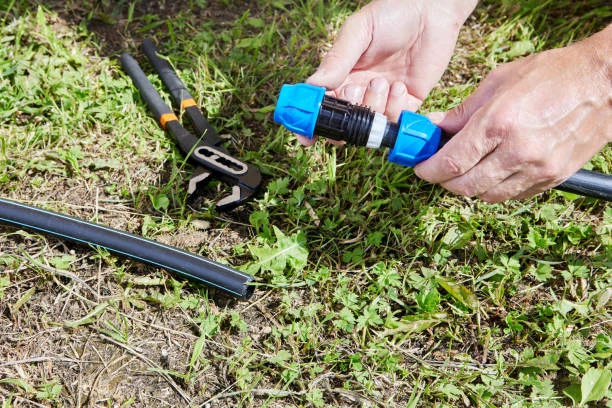
For quick and temporary connections, mechanical fittings are also available. These require no special equipment and can be installed with basic tools. While not as permanent as welded joints, mechanical fittings offer flexibility for short-term systems or situations where future disassembly is necessary.
No Need for Toxic Adhesives or Solvents
In contrast to materials like PVC, which often require chemical solvents for bonding, PE fittings eliminate the need for potentially hazardous adhesives. This simplifies the installation process from a safety standpoint. Workers are not exposed to harmful fumes or skin contact with dangerous chemicals, making the worksite safer overall.
Moreover, avoiding chemical bonding also reduces installation time. There is no need to wait for adhesives to cure. Once a fusion or mechanical connection is made, the system is ready for pressure testing or immediate operation.
Reduced Number of Joints
Thanks to the flexibility of PE pipes and the strength of welded joints, it is possible to minimize the number of fittings required in a given system. Fewer joints mean faster assembly and a lower chance of leaks. In some cases, long pipe sections can be fused together off-site, then transported and installed as a single unit.
This approach is particularly useful in trenchless installation techniques such as horizontal directional drilling. In such methods, a continuous length of PE pipe can be pulled through the ground with minimal surface disruption. Because the fittings are few and far between, the entire process becomes much faster and less labor-intensive.
Fast Installation in All Weather Conditions
Another advantage of PE pipe fittings is their compatibility with various weather conditions. Traditional fittings made from metal or concrete may require specific temperature ranges or dry conditions for successful installation. PE fittings, on the other hand, can be installed in both hot and cold environments without significant adjustments.
This year-round workability is especially important for utility companies and emergency crews. Whether installing a new water main in summer or repairing a gas line in winter, PE fittings provide reliable performance and consistent installation results.
Lower Equipment Requirements
Because PE fittings can be joined using lightweight, portable tools, the overall equipment requirements for a PE piping system are minimal. Electrofusion machines and butt fusion units are compact and easy to transport, reducing setup time on site.
This contrasts sharply with metal systems, which may require welding rigs, cutting equipment, and protective gear. With PE, a small team with the right tools can complete installations quickly and efficiently. This leads to lower labor costs and fewer delays.
Fewer Training Requirements
While all installation crews need proper training, PE systems are relatively simple to learn. The joining methods are easy to understand and repeatable. Training programs are widely available and often completed in a short period. This lowers the barrier to entry for new workers and improves the availability of skilled labor.
In fact, many utility companies now prefer PE systems precisely because they are easier to train for and execute in the field. Simplified procedures mean fewer mistakes and faster deployment, especially during emergency repairs or infrastructure upgrades.
Installation in Tight Spaces
In urban environments or industrial facilities, space is often limited. PE pipe fittings can be installed in confined spaces such as basements, tunnels, or plant rooms with minimal effort. Because the tools and fittings are lightweight and compact, installers can maneuver easily even in awkward locations.
Additionally, the fusion techniques used for joining PE do not generate sparks or open flames, making them safe for use near sensitive equipment or flammable materials. This safety feature adds further convenience in tight or dangerous working conditions.
Applications That Benefit from Easy Installation
Numerous applications benefit from the ease of installing PE pipe fittings. For example:
- Municipal water supply: Quick installation minimizes service disruptions.
- Natural gas lines: Faster repairs reduce risk and restore service promptly.
- Agricultural irrigation: Seasonal systems can be deployed and dismantled quickly.
- Industrial process systems: Minimal downtime is essential for profitability.
- Sewage systems: Underground installations benefit from flexible routing.
In each of these examples, ease of installation translates into lower costs, shorter project durations, and greater system reliability.
Long-Term Economic Advantages
While initial material costs may be comparable to other systems, the savings generated by faster installation are substantial. Labor hours are reduced, equipment rentals are shorter, and fewer mistakes occur during setup. Moreover, because the fittings are durable and leak-resistant, long-term maintenance costs are also lower.
Together, these factors make PE pipe fittings a smart investment for projects of all sizes. From residential buildings to large-scale infrastructure, their ease of installation contributes directly to overall project efficiency.
Conclusion
In conclusion, PE pipe fittings offer unparalleled advantages in terms of installation ease. Their lightweight nature, flexibility, and compatibility with multiple joining methods make them an ideal choice for a wide range of applications. Whether in remote areas, urban centers, or industrial facilities, PE fittings simplify the work of contractors and engineers alike.
By reducing labor requirements, shortening project timelines, and improving on-site safety, these fittings represent a practical and forward-looking solution for today’s infrastructure challenges. As the demand for efficient and reliable piping systems continues to grow, the ease of installation offered by PE pipe fittings will remain a key reason for their global popularity.
IFAN international standard
IFAN’s poly pipe products comply with a wide range of international standards to ensure quality, safety, and compatibility across global markets. These include ASTM D3035, ASTM D3350, the ISO 4427 series, EN 12201 series, DIN 8074/8075, GB/T 13663 series, AS/NZS 4130, JIS K6760, BS 6572, and CSA B137.1, among others. This comprehensive compliance reflects IFAN’s commitment to delivering reliable piping solutions that meet the diverse technical requirements of water supply, gas distribution, and industrial applications worldwide.
Contact
IFAN is a professional manufacturer with of experience, dedicated to producing high-quality plastic pipes, fittings, and valves. Our products include brass valves, PPR valves, as well as various pipes and fittings to meet different customer needs. Whether you need plumbing and drainage pipes or valve products, IFAN can provide a diverse range of high-quality, cost-effective products to support your projects. Below is our contact information.
We will reply your email or fax within 24 hours.
You can call us at any time if there is any question on our production.
For more information,pls visit our webside https://www.ifanplus.com/
Pls Mailto: [email protected]
Whatsapp: + 86 19857948982























