


Water is one of the most essential resources in our daily lives. Whether it’s for drinking, washing, irrigation, or industrial use, a reliable water supply system plays a key role in keeping everything running smoothly. The type of pipe you choose can make a huge difference in performance and long-term reliability. Over the years, polyethylene pipes for water supply have become one of the most trusted options for both professionals and homeowners. Their strength, flexibility, and cost-effectiveness make them stand out in all kinds of water projects.
Why Polyethylene Pipes Are a Smart Choice
Polyethylene pipes for water supply offer a strong combination of durability, safety, and efficiency. Unlike metal pipes, which can rust or corrode, polyethylene pipes remain stable even in harsh conditions. They don’t react with minerals or chemicals in the soil, and they can handle both high and low temperatures. This makes them ideal for use in residential plumbing, city water systems, and even rural irrigation setups.
Many contractors in Ghana now rely on these pipes because they have proven their worth in local projects. For example, in the coastal town of Teshie, traditional metal pipes often failed after just a few years due to salty air and moisture. However, after switching to polyethylene pipes, water systems became more reliable and easier to maintain. That’s why more local builders and plumbers now recommend them for long-term water projects.
Long-Lasting Durability
The most significant advantage of polyethylene pipes for water supply is their durability. These pipes can last up to or more under normal conditions. They resist cracking, corrosion, and wear caused by pressure or environmental changes. Because of their flexibility, they can also withstand ground movement, vibration, and impacts that might damage rigid materials.
Imagine a project where underground pipes have to cross a busy road. Heavy vehicles passing above could easily damage older metal or concrete pipes, but polyethylene handles it without a problem. Its elasticity allows it to absorb pressure without breaking. This durability is why many water authorities and builders around Accra prefer them for infrastructure projects.
Easy Installation and Maintenance
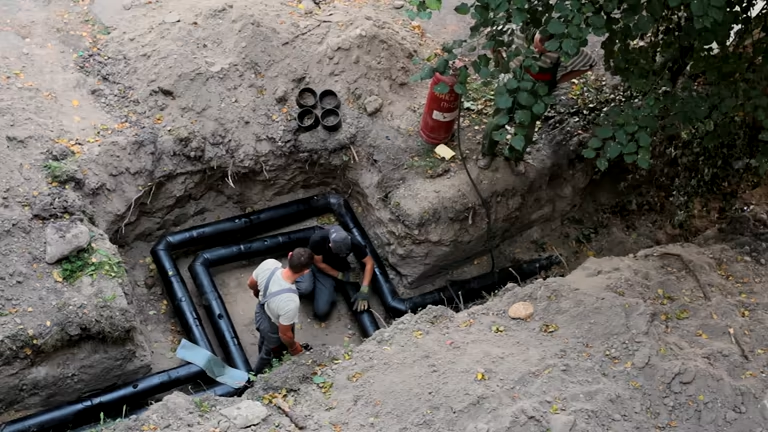
Another reason polyethylene pipes for water supply are becoming more popular is the ease of installation. The pipes are lightweight and flexible, which makes them simple to transport and install, even in areas with uneven ground. Workers can roll out long sections without needing many joints or connectors, reducing installation time and costs.
For plumbers, this is a big advantage. A single worker can carry and fit the pipes with minimal tools. This helps save both time and labor expenses. Plus, fewer joints mean fewer chances for leaks, which ensures a more efficient water flow. Maintenance is minimal, too—if properly installed, the system can run smoothly for decades without major repairs.
Many technicians in Accra mention how much simpler their jobs became after switching to polyethylene pipes. They don’t have to worry about welding or threading metal parts. Instead, they just connect the fittings, secure them properly, and the system is ready to go.
Cost-Effective in the Long Run
At first glance, some might think that polyethylene pipes cost more than other materials. But in reality, they save a lot over time. The low maintenance requirements, long lifespan, and reduced risk of leaks all add up to big savings. When you consider how often metal or concrete pipes need repairs or replacements, polyethylene clearly offers better value.
In addition, the installation process itself is cheaper. Because these pipes are lightweight, transportation costs drop. Crews can complete projects faster, which reduces labor costs. The total project budget stays lower while performance remains high, making polyethylene pipes a practical choice for both small and large-scale projects.
Smooth Water Flow and Consistent Pressure
Another benefit of polyethylene pipes for water supply is their smooth internal surface. This design allows water to flow freely without friction or buildup. Unlike older metal pipes, which often collect rust or mineral deposits, polyethylene pipes keep their interior clean. As a result, water pressure stays stable, and users get a steady flow every time they open a tap.
This characteristic also reduces energy use in systems with pumps. Because the water moves easily, pumps don’t need to work as hard to push it through. Over time, this saves electricity and extends the lifespan of the pump system as well.
Safe and Environmentally Friendly
Polyethylene pipes are made from a safe, non-toxic material that doesn’t contaminate drinking water. Even after years of use, they don’t release any harmful substances or change the taste of the water. This is one of the main reasons why many health-conscious builders and homeowners prefer them for residential plumbing systems.
They are also an environmentally responsible choice. The manufacturing process uses less energy compared to metal pipes, and the material is recyclable. Because these pipes last so long, they produce less waste over time, making them a sustainable option for communities aiming to reduce their environmental footprint.
Adaptable to Different Environments
Polyethylene pipes for water supply can handle different environments and climates. They work well in both hot and cold regions, remaining flexible even at low temperatures. That’s a big advantage for countries like Ghana, where temperatures can fluctuate throughout the year.
In agricultural areas, farmers use these pipes for irrigation systems because they handle sun exposure, soil pressure, and frequent use without cracking. Their ability to handle both underground and above-ground installations adds even more value. Whether for city infrastructure, rural water systems, or farm irrigation, polyethylene offers a versatile and reliable solution.
Real Experience from Local Use
At Narutee Hardware and Trading Enterprise, located at HVW9+6J3, Teshie Rasta Rd, Accra, Ghana, many customers come looking specifically for polyethylene pipes. The staff often recommend them for both home and commercial water projects. One contractor shared that after replacing old galvanized steel pipes with polyethylene, his team noticed fewer leak issues and better water pressure. Another customer mentioned that installation was much faster than expected, saving both time and effort. These real-life experiences show how practical and dependable polyethylene pipes have become for local water systems.
Reliable Performance Under Pressure
Polyethylene pipes are built to handle high pressure, which makes them suitable for both domestic and industrial systems. Whether the water is pumped from a tank or a municipal supply, the pipes maintain their integrity. They don’t burst or deform under normal pressure ranges.
In large buildings or water networks, this reliability means fewer disruptions and consistent performance. When properly installed, they can operate efficiently for decades without significant wear, giving users confidence in their water systems.
A Smart Investment for the Future
Choosing polyethylene pipes for water supply isn’t just about solving today’s problems—it’s about planning for the future. As cities expand and water demand increases, strong and low-maintenance systems will become more important. Polyethylene offers the right mix of modern performance and long-term value.
Its combination of strength, flexibility, and environmental safety makes it a future-proof option. Whether it’s for a new housing development, a school, or an irrigation project, polyethylene ensures water flows safely and efficiently for years to come.
Conclusion
Durable polyethylene pipes for water supply projects have transformed how people think about plumbing systems. Their strength, resistance to corrosion, and long service life make them one of the best materials available today. They’re easy to install, cost-effective, and safe for the environment.
From individual homes to large construction projects, these pipes continue to prove their value in every situation. For anyone planning a reliable and efficient water system, polyethylene pipes are not just a good choice—they’re the smart choice for lasting performance and peace of mind.
IFAN international standard
IFAN products comply with a wide range of international standards, ensuring safety, reliability, and global compatibility. These include ASTM 2846, DIN 8079/8080, ASTM F441/F441M SCH80, multiple DIN specifications, GB/T 18993 Series standards, AS/NZS 1477, CSA B137.6, NSF/ANSI 14, as well as TIS 17-2532/1131-2535. By meeting these recognized standards, IFAN guarantees consistent quality and performance across different regions and applications.
Contact
IFAN is a professional manufacturer with of experience, dedicated to producing high-quality plastic pipes, fittings, and valves. Our products include brass valves, PPR valves, as well as various pipes and fittings to meet different customer needs. Whether you need plumbing and drainage pipes or valve products, IFAN can provide a diverse range of high-quality, cost-effective products to support your projects. Below is our contact information.
We will reply your email or fax within 24 hours.
You can call us at any time if there is any question on our production.
For more information,pls visit our webside https://www.ifanplus.com/
Pls Mailto: [email protected]
Whatsapp: + 86 19857948982























