


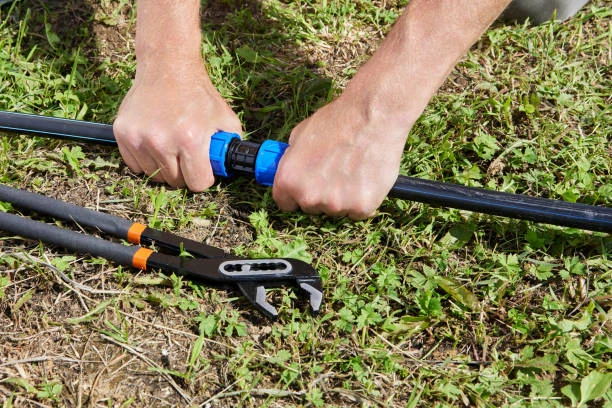
Polyethylene (PE) plumbing systems have become increasingly popular due to their exceptional durability and long lifespan. When compared to other materials like PVC, copper, or steel, polyethylene pipes stand out for their ability to endure harsh conditions and continue performing effectively over time. This article delves into the key factors that contribute to the durability of polyethylene plumbing, why it’s favored in various applications, and its advantages over other materials.
Introduction to Polyethylene Plumbing
Polyethylene is a type of plastic polymer made from petroleum. Its flexible nature and high resistance to physical stress make it an excellent material for plumbing systems. Among the different types of polyethylene, high-density polyethylene (HDPE) is the most commonly used for plumbing applications. HDPE is known for its strength, flexibility, and resilience. These properties make it particularly suitable for a wide range of plumbing tasks, from water distribution to industrial piping.
The durability of polyethylene plumbing systems comes from its unique characteristics. It can withstand extreme weather conditions, pressure variations, and even abrasive materials. In fact, polyethylene pipes are often chosen for their ability to perform consistently over decades, reducing the need for frequent repairs and replacements.
Key Factors That Contribute to the Durability of Polyethylene Plumbing
1. Chemical Resistance
One of the most significant factors contributing to the durability of polyethylene plumbing is its chemical resistance. Polyethylene is highly resistant to a wide variety of chemicals, including acids, alkalis, and solvents. This resistance allows polyethylene pipes to perform reliably in industrial environments where exposure to harmful chemicals is common. Unlike metals, which can corrode or rust when exposed to chemicals, polyethylene does not degrade, maintaining its integrity over time.
Furthermore, polyethylene’s non-reactivity ensures that it remains unaffected by harsh chemicals that might otherwise break down other types of plumbing materials. This characteristic makes polyethylene pipes ideal for use in environments where they might come into contact with aggressive substances, such as chemical plants, wastewater systems, and food processing facilities.
2. Resistance to Corrosion
Corrosion is one of the primary causes of failure in traditional plumbing systems made from metal materials like copper or steel. Over time, these metals can corrode due to exposure to water, moisture, and air. However, polyethylene is completely immune to corrosion, which significantly contributes to its longevity.
When used in plumbing systems, polyethylene pipes do not rust or degrade when exposed to moisture or aggressive environments. As a result, these pipes retain their strength and functional integrity for many years, even when exposed to the elements.
3. Impact and Abrasion Resistance
Polyethylene pipes are known for their excellent impact resistance. They can withstand heavy blows, physical stress, and even accidental impacts without cracking or breaking. This is especially important in industrial plumbing systems or underground installations, where pipes are often exposed to mechanical forces from equipment, soil movement, or accidental impacts.
Moreover, polyethylene’s abrasion resistance further enhances its durability. In environments where the pipes might be exposed to abrasive materials, polyethylene can maintain its smooth surface without wearing down. This is particularly beneficial in applications involving slurries or dirty water, where other materials might suffer from erosion.
4. Flexibility and Resistance to Temperature Extremes
Another key factor in the durability of polyethylene plumbing is its flexibility. Polyethylene is highly flexible, allowing it to expand and contract with temperature fluctuations without breaking. This flexibility is particularly useful in areas with extreme weather conditions, such as regions prone to freezing temperatures or rapid temperature changes.
Polyethylene plumbing systems can withstand freezing without cracking, unlike metal pipes, which are prone to bursting when exposed to cold temperatures. In fact, polyethylene’s ability to bend and flex helps it cope with thermal expansion and contraction, reducing the risk of damage in fluctuating conditions.
5. Long Lifespan
Polyethylene plumbing systems are designed to last for decades without deteriorating. When properly installed, polyethylene pipes can have a service life of or more. This long lifespan is one of the primary reasons polyethylene is considered an excellent investment for both residential and commercial plumbing systems.
The combination of resistance to corrosion, chemical exposure, impact, and abrasion ensures that polyethylene plumbing continues to perform reliably over its extended lifespan. Therefore, homeowners, contractors, and businesses can expect minimal maintenance or replacement costs over the years.
Benefits of Durable Polyethylene Plumbing
The durability of polyethylene plumbing provides numerous advantages for both residential and commercial applications. Some of these benefits include lower maintenance costs, improved performance, and environmental sustainability.
1. Cost-Effective
While the initial cost of polyethylene pipes may be comparable to other materials, the long-term savings are significant. Due to their durability, polyethylene pipes require less frequent maintenance and fewer repairs than traditional plumbing materials. This results in a lower total cost of ownership over the life of the plumbing system.
Moreover, polyethylene’s resistance to damage from chemicals, weather, and impact means it is less likely to suffer from unexpected failures, reducing the need for costly repairs or replacements. This makes it a cost-effective solution for both residential plumbing and large-scale industrial applications.
2. Environmentally Friendly
Polyethylene is a sustainable material, and its durability contributes to environmental benefits. The longer lifespan of polyethylene pipes means fewer replacements and less waste over time. Additionally, polyethylene is recyclable, making it a more eco-friendly choice compared to non-recyclable materials like PVC or metal.
Moreover, polyethylene is free from harmful chemicals like lead, which are commonly found in traditional plumbing materials. This makes polyethylene a safer and more environmentally responsible choice for plumbing systems, contributing to cleaner water and a healthier environment.
3. Reduced Risk of Failures
Polyethylene’s resilience against external factors such as pressure fluctuations, frost, and impact reduces the risk of plumbing failures. Unlike more rigid materials, polyethylene’s flexibility allows it to adjust to ground movements or sudden changes in water pressure without sustaining damage.
This resilience helps prevent costly failures and downtime. For industrial applications, where any failure in the plumbing system can result in significant losses, polyethylene’s durability ensures that operations continue smoothly without interruption.
Applications of Durable Polyethylene Plumbing
Polyethylene plumbing is used in a wide variety of applications, thanks to its exceptional durability. Below are some of the key areas where polyethylene plumbing systems are commonly used.
1. Residential Water Supply
In residential settings, polyethylene pipes are often used for drinking water systems, including main water lines, service connections, and irrigation systems. Their durability ensures that homeowners enjoy reliable water supply without the risk of plumbing failures or frequent maintenance.
2. Industrial Applications
Polyethylene is commonly used in industrial plumbing for applications that require the transport of chemicals, water, waste, or other liquids. Its chemical resistance, impact resistance, and flexibility make it an ideal choice for industrial applications. In industries such as oil and gas, chemical processing, and agriculture, polyethylene pipes are used to transport a wide range of materials safely and efficiently.
3. Underground Piping Systems
Polyethylene plumbing is particularly well-suited for underground installations, where pipes are subjected to soil movement, water pressure, and temperature fluctuations. The flexibility and resilience of polyethylene make it a reliable choice for these challenging environments. Its ability to withstand freezing and thawing without cracking ensures that underground plumbing remains intact throughout the year.
4. Wastewater and Sewer Systems
Polyethylene is widely used in sewer systems and wastewater treatment plants. Its ability to resist corrosion from exposure to waste and chemicals makes it an ideal material for these applications. The long lifespan of polyethylene pipes also reduces the need for repairs or replacements in these critical infrastructure systems.
Conclusion
The durability of polyethylene plumbing makes it an excellent choice for a wide range of applications, from residential water systems to large-scale industrial installations. Its resistance to corrosion, impact, chemical exposure, and extreme temperatures ensures that polyethylene pipes perform reliably for decades. With cost-effective maintenance, environmental benefits, and reduced risk of failure, polyethylene plumbing systems offer long-lasting solutions for today’s plumbing needs.
By choosing polyethylene, both consumers and businesses can ensure the longevity and efficiency of their plumbing systems. Whether installed for water supply, wastewater, or industrial applications, polyethylene continues to prove itself as a durable and reliable material in the plumbing industry.
IFAN international standard
IFAN’s HDPE products comply with various international standards, ensuring quality, durability, and reliability. These standards include ASTM D3035 and ASTM D3350, which define specifications for polyethylene (PE) pipes and materials. The ISO 4427 and EN 12201 series set global benchmarks for PE pipes used in water supply systems. Additionally, DIN 8074/8075 and GB/T 13663 establish performance and dimension requirements for HDPE pipes in European and Chinese markets. Other recognized standards, such as AS/NZS 4130 (Australia/New Zealand), JIS K6760 (Japan), BS 6572 (UK), and CSA B137.1 (Canada), further demonstrate IFAN’s commitment to meeting industry regulations worldwide.
Contact
IFAN is a professional manufacturer with of experience, dedicated to producing high-quality plastic pipes, fittings, and valves. Our products include brass valves, PPR valves, as well as various pipes and fittings to meet different customer needs. Whether you need plumbing and drainage pipes or valve products, IFAN can provide a diverse range of high-quality, cost-effective products to support your projects. Below is our contact information.
We will reply your email or fax within 24 hours.
You can call us at any time if there is any question on our production.
For more information,pls visit our webside https://www.ifanplus.com/
Pls Mailto: [email protected]
Whatsapp: + 86 19857948982























