


Introduction
High density poly pipe has gained wide recognition as a reliable solution for modern water and fluid distribution systems. With outstanding durability and impressive flexibility, it provides advantages that traditional materials cannot match. This type of pipe ensures long-term service life, reduced maintenance, and consistent performance under various environmental conditions. As industries continue to demand efficient and cost-effective infrastructure, high density poly pipe has proven itself as a preferred choice. This article explores its definition, features, applications, buying tips, installation guidelines, comparisons with other materials, and reasons why it stands out.
Frequently Asked Questions (FAQ)
- What is high density poly pipe?
High density poly pipe, also known as HDPE pipe, is made from high-density polyethylene resin. It is designed to resist corrosion, withstand pressure, and offer long-lasting performance in water supply and industrial systems. - How long does high density poly pipe last?
When installed correctly, it can last more than . Its resistance to chemicals, abrasion, and environmental stress supports a long service life. - Where can high density poly pipe be used?
It can be used in municipal water supply, agriculture, mining, industrial plants, and gas distribution networks. Its flexibility makes it suitable for challenging terrains. - Is installation complicated?
No, installation is straightforward. Its lightweight nature and bendability reduce the need for fittings, making projects quicker and more cost-efficient. - How does it perform compared to traditional pipes?
It performs better in terms of durability, leak resistance, and environmental impact. Unlike steel or copper, it does not corrode, and unlike PVC, it offers higher flexibility.
Definition and Key Features of High Density Poly Pipe
High density poly pipe is a thermoplastic pipe manufactured using high-density polyethylene resin. It has a unique structure that provides strength while keeping the material lightweight.
Key features include:
- High durability with resistance to cracking and stress.
- Flexibility that allows it to adapt to uneven or shifting ground.
- Excellent resistance to corrosion, chemicals, and moisture.
- Long service life with minimal maintenance.
- Secure, leak-free connections when fused properly.
- Lightweight properties that simplify handling and transportation.
- Recyclable material that supports environmentally friendly construction practices.
These features make high density poly pipe a smart investment for both short-term projects and long-term infrastructure development.
Common Applications and Industries
High density poly pipe is versatile and widely used across different industries. Its unique properties make it a practical solution for various systems:
- Municipal water supply systems use it to deliver clean water safely and efficiently.
- Agricultural irrigation systems benefit from its flexibility and UV resistance.
- Industrial facilities rely on it to transport chemicals, wastewater, and process fluids.
- Mining operations use it for slurry handling and tailings disposal because of its abrasion resistance.
- Natural gas distribution networks depend on its toughness and leak-free joints.
- Fire protection systems apply it where pressure resistance is crucial.
Because of its wide application range, high density poly pipe continues to replace older, less reliable piping materials in many sectors.
Buying Guide: How to Choose High Density Poly Pipe
When selecting high density poly pipe, careful consideration ensures both performance and safety. The following points help guide the decision-making process:
- Material quality: Select pipes manufactured from certified, high-grade polyethylene resin.
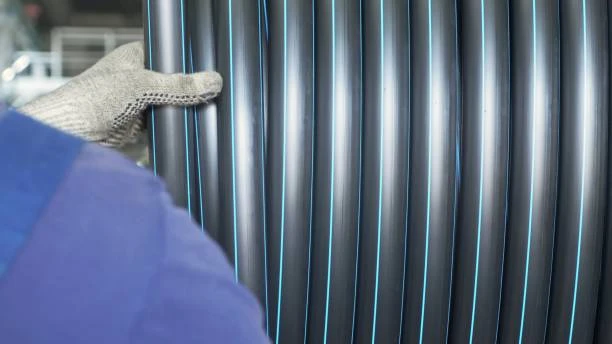
- Color: Black pipes offer UV protection, while blue-striped ones are often used for water supply. Markings help with easy identification.
- Pressure rating: Ensure the pipe’s pressure class matches your project’s requirements.
- Certification: Look for approval for potable water if the pipe will be used in drinking water systems.
- Diameter and thickness: Choose based on flow demand and pressure conditions.
- Manufacturer reputation: Rely on suppliers with proven track records in quality control.
By focusing on these factors, you ensure reliability, safety, and efficiency in your piping system.
Installation Guidelines
Proper installation maximizes the lifespan and performance of high density poly pipe. The following practices are recommended:
- Prepare the site by clearing trenches of sharp rocks or debris.
- Handle pipes with care and avoid prolonged direct sunlight exposure during storage.
- Use butt fusion or electrofusion techniques for leak-proof connections.
- Take advantage of the pipe’s flexibility, but follow bending radius guidelines to prevent damage.
- Backfill trenches with fine soil or sand to protect the pipe from sharp edges.
- Conduct hydrostatic testing after installation to confirm system integrity.
Following these guidelines ensures the pipe system delivers safe and reliable service over decades.
High Density Poly Pipe vs Other Pipe Materials
To understand the advantages of high density poly pipe, it is useful to compare it with other common materials.
| Feature/Material | High Density Poly Pipe (HDPE) | PVC Pipe | Steel Pipe | Copper Pipe |
|---|---|---|---|---|
| Corrosion Resistance | Excellent | Good | Poor | Good |
| Flexibility | High | Moderate | Low | Low |
| Durability | 50+ years | 25–40 yrs | 20–30 yrs | 40–50 yrs |
| Installation Ease | Easy, fewer joints | Moderate | Difficult | Difficult |
| Cost Efficiency | High | High | Low | Moderate |
| Environmental Impact | Recyclable, low energy use | Moderate | High | Moderate |
| Leak Resistance | Excellent (fusion joints) | Moderate | Moderate | Good |
This comparison shows that high density poly pipe offers a unique balance of strength, cost savings, and sustainability. Its superior flexibility and corrosion resistance give it an edge in many applications.
Conclusion
High density poly pipe combines durability and flexibility in a way that few other piping materials can match. It provides long service life, withstands harsh environments, and reduces the need for frequent maintenance. From municipal water networks to industrial facilities and agricultural irrigation, it continues to prove its value across industries. By following proper selection and installation practices, you can maximize its benefits and secure reliable fluid distribution systems for decades. For modern infrastructure needs, high density poly pipe stands out as a durable, flexible, and sustainable choice.
IFAN international standard
IFAN strictly follows international standards to ensure product quality and reliability. Our piping systems comply with ASTM D3035, ASTM D3350, ISO 4427 Series standards, EN 12201 Series standards, DIN 8074/8075, GB/T 13663 Series standards, AS/NZS 4130, JIS K6760, BS 6572, CSA B137.1, and many other globally recognized specifications. These certifications guarantee durability, safety, and performance across diverse applications worldwide.
Contact
IFAN is a professional manufacturer with of experience, dedicated to producing high-quality plastic pipes, fittings, and valves. Our products include brass valves, PPR valves, as well as various pipes and fittings to meet different customer needs. Whether you need plumbing and drainage pipes or valve products, IFAN can provide a diverse range of high-quality, cost-effective products to support your projects. Below is our contact information.
We will reply your email or fax within 24 hours.
You can call us at any time if there is any question on our production.
For more information,pls visit our webside https://www.ifanplus.com/
Pls Mailto: [email protected]
Whatsapp: + 86 19857948982























