


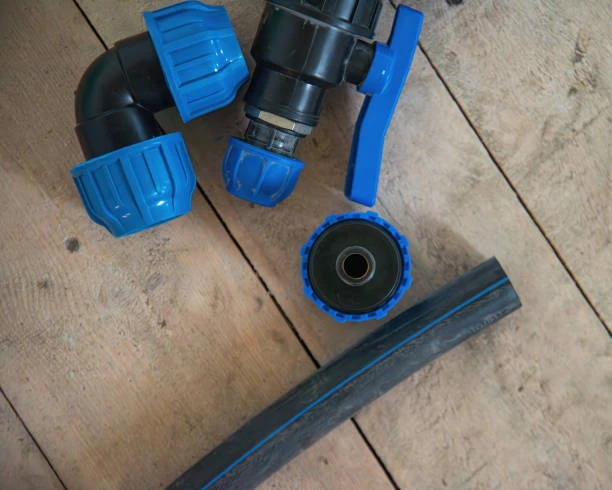
Polyethylene (PE) pipe fittings have become an integral part of modern plumbing, water supply, gas distribution, and industrial systems. These fittings offer an excellent balance between cost and performance, making them an ideal choice for many applications. The cost-effectiveness of PE pipe fittings stems from various factors, including their long lifespan, durability, ease of installation, and low maintenance requirements. This article will delve into why PE pipe fittings offer outstanding value for money, analyzing how they compare to alternative materials and discussing the factors that contribute to their affordability.
Understanding Polyethylene Pipe Fittings
Polyethylene pipe fittings are made from polyethylene, a type of plastic known for its flexibility, strength, and resistance to various environmental factors. These fittings are used to connect pipes in water, gas, drainage, and other fluid transfer systems. PE pipe fittings come in a variety of shapes, including elbows, tees, couplings, and reducers, and they are widely used across residential, commercial, and industrial applications.
The cost-effectiveness of PE pipe fittings does not only come from their low initial cost, but also from their long-term performance and minimal upkeep needs. Now, let’s examine the key elements that contribute to the overall value of PE pipe fittings.
Factors Contributing to the Cost-Effectiveness of Polyethylene Pipe Fittings
1. Durability and Longevity
One of the primary factors that make PE pipe fittings cost-effective is their remarkable durability. Unlike metal fittings, which can corrode or rust over time, polyethylene is highly resistant to environmental elements such as water, chemicals, and UV radiation. PE pipe fittings can endure these factors without breaking down, resulting in a longer lifespan.
In fact, polyethylene pipes and fittings are known to last for several decades, with lifespans often exceeding when properly installed and maintained. This long service life reduces the need for frequent replacements, which can be costly in systems that use other materials like steel or copper.
Furthermore, the material is highly resistant to environmental stress cracking (ESC) and other forms of degradation, ensuring reliable performance even in harsh conditions. This robustness means that businesses and homeowners can enjoy a long-term solution with minimal concern about replacements or repairs.
2. Ease of Installation
Polyethylene pipe fittings are easy to install, which significantly reduces labor costs. PE fittings are lightweight, which makes them easier to handle and install compared to metal fittings. They can be joined using heat fusion, electrofusion, or mechanical connections, providing flexibility in installation methods. The fusion process, for example, creates strong, leak-free joints, and eliminates the need for additional sealing materials, such as gaskets or adhesives.
The installation process is quicker and more straightforward, which translates into reduced labor time and costs. This factor is particularly valuable for large-scale projects, where labor expenses can account for a significant portion of the total cost. The simplicity and speed of installation make polyethylene fittings a cost-efficient option for contractors and project managers.
3. Low Maintenance Costs
Polyethylene pipe fittings require minimal maintenance, further contributing to their cost-effectiveness. Unlike metal fittings that may need regular inspections, repairs, or replacements due to corrosion or wear, PE fittings require very little attention over time. The material’s resistance to corrosion, scaling, and rust means that these fittings can maintain their integrity and functionality with minimal intervention.
Additionally, the smooth interior surfaces of polyethylene fittings help prevent blockages and ensure optimal fluid flow. Since PE pipe fittings do not corrode or develop scale, there is less need for cleaning or flushing the system, which can be time-consuming and costly.
Overall, the low maintenance requirements reduce ongoing operational costs, making polyethylene fittings a more economical choice for long-term use.
4. Resistance to Corrosion and Chemical Damage
Polyethylene pipe fittings are highly resistant to corrosion and chemical damage. This resistance ensures that PE fittings perform well in environments where other materials, such as metal or PVC, may struggle. For example, in industries dealing with chemicals, wastewater, or aggressive fluids, polyethylene fittings remain unaffected by exposure to various chemicals, acids, and bases.
This durability eliminates the costs associated with replacing corroded or damaged fittings, which is a common problem with metal alternatives. In contrast, PE fittings maintain their structural integrity even when exposed to harsh chemicals, making them ideal for industries that require reliable piping systems to transport fluids without the risk of failure.
5. Energy Efficiency
PE pipe fittings contribute to the overall energy efficiency of a piping system. The low thermal conductivity of polyethylene means that heat loss is minimized when transporting hot fluids. As a result, PE fittings help maintain the temperature of the fluid, reducing the need for energy-intensive heating or cooling systems.
In cold weather conditions, the insulation properties of polyethylene also help prevent freezing and potential damage to the pipe system. This ability to withstand temperature fluctuations reduces the need for additional insulation materials or heating systems, thus lowering energy consumption and operational costs.
By contributing to energy efficiency, polyethylene pipe fittings provide an additional layer of cost savings in both residential and industrial settings.
6. Environmental Benefits and Sustainability
In addition to their cost-effectiveness, polyethylene pipe fittings are environmentally friendly. Polyethylene is a recyclable material, which means that at the end of their life cycle, PE fittings can be reprocessed and reused. This sustainability is an important factor for businesses and industries that are looking to reduce their environmental footprint.
The production of polyethylene fittings also generates less pollution compared to manufacturing metal or ceramic fittings. Additionally, the longevity and durability of PE fittings reduce the frequency of replacements, minimizing the environmental impact of manufacturing and waste disposal.
The combination of environmental benefits and cost savings makes polyethylene pipe fittings a responsible and sustainable choice for modern piping systems.
Polyethylene Pipe Fittings vs. Other Materials
When comparing the cost-effectiveness of polyethylene pipe fittings with other materials such as PVC, copper, or steel, it becomes clear why PE fittings are gaining popularity. Each material offers different advantages and costs, but polyethylene consistently provides a superior balance of affordability, performance, and longevity.
Polyethylene vs. PVC
Both polyethylene and PVC are popular choices for piping systems, but polyethylene offers several advantages. While PVC fittings are generally cheaper upfront, they tend to be more brittle and less flexible than polyethylene. This can lead to higher failure rates in systems that experience shifting ground or pressure fluctuations.
In contrast, polyethylene’s flexibility allows it to absorb stress, reducing the likelihood of cracks or breaks. Additionally, polyethylene has a lower coefficient of friction, which means that fluids flow more efficiently through PE pipes and fittings, resulting in better system performance.
While PVC is suitable for certain applications, polyethylene’s superior durability and flexibility make it the better option in the long run, providing greater value over time.
Polyethylene vs. Copper
Copper pipes and fittings are known for their longevity and resistance to corrosion, but they come at a significantly higher cost compared to polyethylene. Copper is also heavier and more difficult to install, which increases labor costs. Additionally, copper is more susceptible to freezing in cold weather, which can cause damage to the system.
Polyethylene pipe fittings, on the other hand, offer a more affordable alternative with comparable longevity and resistance to corrosion. PE fittings are also more flexible, making them easier to install in a variety of environments. The lower initial cost, combined with reduced installation and maintenance expenses, makes polyethylene a more cost-effective solution than copper.
Polyethylene vs. Steel
Steel pipes and fittings are known for their strength and ability to handle high pressures. However, steel is prone to rust and corrosion, especially in water or moisture-rich environments. This corrosion requires frequent maintenance and eventual replacement of fittings, which increases costs over time.
Polyethylene fittings, by contrast, do not corrode and are highly resistant to environmental stress, which reduces maintenance needs and extends the lifespan of the system. The initial cost of polyethylene fittings is also lower than that of steel, making it a more affordable option for most applications.
Conclusion
Polyethylene pipe fittings offer exceptional cost-effectiveness due to their durability, ease of installation, low maintenance requirements, and resistance to corrosion and chemical damage. While the initial cost of PE fittings is often lower than alternatives such as copper, PVC, and steel, the long-term savings are significant. The longevity and minimal upkeep of polyethylene fittings ensure that they remain a wise investment for both residential and industrial piping systems.
Furthermore, polyethylene’s environmental benefits, such as recyclability and energy efficiency, add to its appeal as a sustainable choice. Overall, the combination of affordability, reliability, and environmental responsibility makes polyethylene pipe fittings an outstanding value proposition for a wide range of applications.
By choosing polyethylene pipe fittings, businesses and homeowners can save on installation, maintenance, and replacement costs while enjoying the performance and durability that this versatile material offers. Whether you’re building a new system or replacing old fittings, polyethylene remains a cost-effective and reliable solution.
IFAN international standard
IFAN’s HDPE products comply with various international standards, ensuring quality, durability, and reliability. These standards include ASTM D3035 and ASTM D3350, which define specifications for polyethylene (PE) pipes and materials. The ISO 4427 and EN 12201 series set global benchmarks for PE pipes used in water supply systems. Additionally, DIN 8074/8075 and GB/T 13663 establish performance and dimension requirements for HDPE pipes in European and Chinese markets. Other recognized standards, such as AS/NZS 4130 (Australia/New Zealand), JIS K6760 (Japan), BS 6572 (UK), and CSA B137.1 (Canada), further demonstrate IFAN’s commitment to meeting industry regulations worldwide.
Contact
IFAN is a professional manufacturer with of experience, dedicated to producing high-quality plastic pipes, fittings, and valves. Our products include brass valves, PPR valves, as well as various pipes and fittings to meet different customer needs. Whether you need plumbing and drainage pipes or valve products, IFAN can provide a diverse range of high-quality, cost-effective products to support your projects. Below is our contact information.
We will reply your email or fax within 24 hours.
You can call us at any time if there is any question on our production.
For more information,pls visit our webside https://www.ifanplus.com/
Pls Mailto: [email protected]
Whatsapp: + 86 19857948982























