


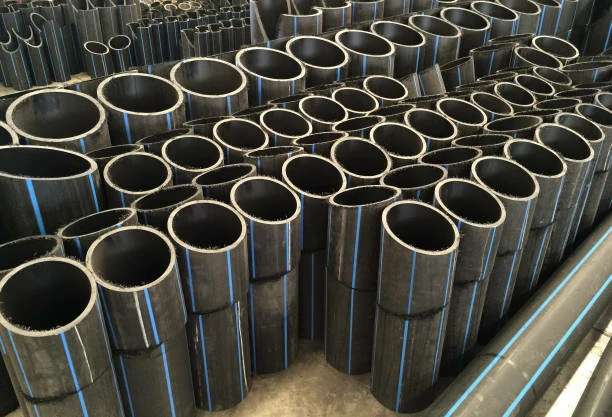
Introduction to HDPE Pipes
High-density polyethylene (HDPE) pipes are widely recognized for their durability, flexibility, and resistance to various environmental factors. Their cost-effectiveness plays a significant role in their popularity across multiple industries, including water supply, drainage, sewage treatment, and cable protection. Analyzing the cost-effectiveness of them involves considering initial investment, installation, maintenance, and long-term benefits.
Initial Investment
Material Costs
HDPE pipes often have lower material costs compared to traditional materials such as steel, copper, or concrete. The raw materials used in HDPE pipe production are generally more affordable, contributing to a lower overall cost. Additionally, the lightweight nature of HDPE reduces transportation expenses, further lowering the initial investment.
Manufacturing Efficiency
HDPE pipe manufacturing processes are highly efficient, utilizing advanced extrusion techniques. These processes produce pipes quickly and consistently, reducing production costs. The efficiency of them manufacturing translates into competitive pricing for end-users, making HDPE pipes an attractive option from a cost perspective.
Installation Savings
Lightweight Nature
The lightweight nature of them significantly reduces transportation and handling costs. Unlike heavy metal or concrete pipes, HDPE pipes require less effort and equipment for loading, unloading, and positioning during installation. This ease of handling minimizes labor costs and speeds up the installation process.
Flexibility and Adaptability
HDPE pipes offer flexibility, allowing them to bend and conform to various terrains without the need for extensive trenching or joint fittings. This adaptability simplifies the installation process, especially in challenging environments. Techniques like trenchless installation further reduce the need for extensive excavation, lowering installation costs and minimizing environmental disruption.
Faster Installation
The ease of joining HDPE pipes, using methods like butt fusion and electrofusion, accelerates the installation process. These joining techniques create seamless, leak-free connections quickly, reducing labor time and associated costs. The faster installation of them translates into reduced project timelines and lower overall expenses.
Maintenance and Longevity
Durability and Resistance
HDPE pipes resist corrosion, chemical exposure, and environmental stress cracking, ensuring a long service life with minimal maintenance. Unlike metal pipes, HDPE does not rust or degrade when exposed to moisture or chemicals. This durability reduces the frequency and cost of repairs and replacements, offering substantial long-term savings.
Minimal Maintenance Requirements
The smooth interior surface of them prevents sediment buildup and reduces the risk of blockages. This characteristic minimizes the need for frequent cleaning and maintenance. The low maintenance requirements of them contribute to lower operational costs over their lifespan.
Long Service Life
HDPE pipes have a service life that often exceeds , depending on application and operating conditions. Their longevity means fewer replacements and associated costs over time. The extended service life of them provides a high return on investment, making them a cost-effective choice for long-term infrastructure projects.
Operational Efficiency
Reduced Energy Consumption
The smooth interior surface of them minimizes friction, allowing for efficient fluid flow. This reduction in friction lowers energy consumption for pumping and transporting fluids, leading to operational cost savings. In applications like water distribution and sewage systems, the energy efficiency of them contributes to overall cost-effectiveness.
Leak-Free Connections
The joining methods used for HDPE pipes, such as butt fusion and electrofusion, create strong, leak-free connections. These reliable connections prevent water loss in distribution systems and reduce the risk of environmental contamination. The leak-free nature of HDPE pipes ensures efficient operation and reduces costs associated with water loss and environmental cleanup.
Environmental and Regulatory Benefits
Environmental Sustainability
HDPE pipes support environmental sustainability through their long service life and recyclability. Their production consumes less energy compared to metal pipes, reducing the overall environmental impact. At the end of their useful life, HDPE pipes can be recycled, minimizing waste and conserving resources. The environmental benefits of them align with green building practices and regulatory requirements, potentially leading to cost savings through compliance and incentives.
Compliance with Standards
HDPE pipes meet various international standards and regulatory requirements for safety and performance. Their compliance with standards ensures that projects using HDPE pipes face fewer regulatory hurdles and potential fines. The reliable performance of them in meeting standards contributes to their cost-effectiveness by avoiding costly legal and compliance issues.
Versatility and Adaptability
Wide Range of Applications
HDPE pipes serve a wide range of applications, including water supply, drainage, sewage treatment, industrial processes, and cable protection. Their versatility allows for standardization across different projects, leading to bulk purchasing and cost savings. The adaptability of them to various conditions and applications further enhances their cost-effectiveness.
Integration with Existing Systems
HDPE pipes integrate easily with existing infrastructure, reducing the need for extensive modifications or specialized equipment. This compatibility simplifies upgrades and expansions, lowering project costs. The ease of integration with existing systems makes HDPE pipes a practical and economical choice for both new installations and retrofits.
Conclusion
HDPE pipes offer significant cost-effectiveness through their lower initial investment, reduced installation and maintenance costs, and long service life. Their durability, flexibility, and resistance to environmental factors ensure reliable performance across various applications. The operational efficiency, environmental sustainability, and compliance with standards further enhance the economic advantages of them. By choosing HDPE pipes, industries, municipalities, and businesses can achieve substantial cost savings while ensuring efficient and sustainable infrastructure. The comprehensive benefits of them make them a preferred choice for projects seeking both economic and environmental efficiency.
Contact
IFAN is a professional manufacturer with of experience, dedicated to producing high-quality plastic pipes, fittings, and valves. Our products include brass valves, PPR valves, as well as various pipes and fittings to meet different customer needs. Whether you need plumbing and drainage pipes or valve products, IFAN can provide a diverse range of high-quality, cost-effective products to support your projects. Below is our contact information.
We will reply your email or fax within 24 hours.
You can call us at any time if there is any question on our production.
For more information,pls visit our webside https://www.ifanplus.com/
Pls Mailto: [email protected]























