


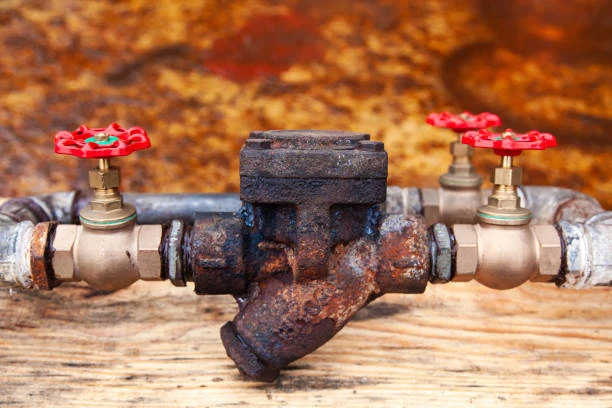
Water flow control and long-term durability are essential in any plumbing system. One of the most trusted components for achieving these goals is the copper stop valve. Known for its excellent resistance to corrosion, this valve is a critical element in both residential and commercial piping systems. In this article, we will explore the key characteristics, applications, and advantages of a corrosion-resistant copper stop valve. From basic definitions to buying advice and comparison with other materials, this guide will help you make informed decisions.
FAQ: Frequently Asked Questions About Copper Stop Valves
1. What makes a copper stop valve corrosion-resistant?
Copper and brass alloys naturally resist oxidation and rust, especially when exposed to water. Many copper stop valves also feature nickel or chrome plating for added protection.
2. Can a copper stop valve be used in hard water areas?
Yes. Copper stop valves perform well in hard water conditions due to their anti-corrosive properties, reducing mineral buildup over time.
3. Are copper stop valves suitable for both hot and cold water lines?
Absolutely. They can withstand a wide temperature range, making them ideal for hot and cold water systems.
4. How often should a copper stop valve be replaced?
If installed correctly, a copper stop valve can last 20 to . Replacement is typically needed only when signs of leakage or wear appear.
5. What tools are needed to install a copper stop valve?
Tools vary depending on the connection type, but commonly include a pipe cutter, wrench, soldering torch (for sweat-type), or push-fit pliers.
What Is a Copper Stop Valve?
A copper stop valve is a mechanical valve installed in plumbing systems to regulate or shut off water flow. It is made of copper or a copper-alloy material such as brass, known for their strength and anti-corrosive nature. These valves are small, compact, and typically manually operated with a turning handle or knob.
Main Features:
- Corrosion resistance: Suitable for humid environments and water exposure
- Long service life: Reduces the need for frequent replacements
- High thermal endurance: Operates effectively under both hot and cold conditions
- Tight seal design: Prevents water leakage when closed
- Versatile connections: Available in sweat, compression, and push-fit types
This valve is widely used as an inline control valve for individual plumbing fixtures.
Applications and Industry Use Cases
Due to their corrosion resistance and reliability, copper stop valves are used in a broad range of plumbing systems. Here are some common use cases:
Residential Applications:
- Sinks (kitchen and bathroom)
- Toilets
- Dishwashers and washing machines
- Water heaters
- Outdoor hose bibs
Commercial and Industrial Applications:
- Multi-unit residential buildings
- Hospitals and healthcare facilities
- Schools and campuses
- Hotels and restaurants
- Mechanical rooms and boiler systems
Their small size and manual shut-off function make them ideal for maintenance access points throughout complex plumbing networks.
Buying Guide: How to Select a Copper Stop Valve
Choosing a corrosion-resistant copper stop valve requires evaluating specific product details. Below are some key factors to guide your selection:
1. Material Composition
Prefer forged brass or copper alloy valves that are lead-free, especially for potable water systems. Look for valves labeled as DZR (dezincification-resistant) brass for improved performance.
2. Surface Finish
Nickel- or chrome-plated finishes increase corrosion resistance and give the valve a clean, polished appearance. These coatings also reduce mineral deposits on the surface.
3. Certifications
Look for valves that comply with industry standards like NSF/ANSI 61 for drinking water safety, UPC, or CSA marks. Certification ensures that the valve meets quality and safety benchmarks.
4. Connection Type
Select a connection that matches your piping and skill level:
- Sweat (soldered): Permanent and secure but requires soldering tools
- Compression: Easy to install, good for copper pipes
- Push-fit: Quick installation without special tools, ideal for DIY projects
5. Brand Reputation
Choose valves from manufacturers with a history of product reliability and strong customer support. Trusted brands often maintain higher production standards.
Installation Tips and Best Practices
Even the best valve can fail if installed incorrectly. Here are key considerations when installing a copper stop valve:
- Turn off water supply before installation
- Cut the pipe cleanly using a pipe cutter
- Deburr and clean the inside and outside of the pipe
- If soldering, apply flux evenly and heat until solder flows smoothly
- Avoid overtightening, which can damage threads or distort the valve body
- Test the system for leaks after re-pressurizing
Follow manufacturer instructions carefully, and when in doubt, consult a licensed plumber.
Comparison: Copper Stop Valve vs. Other Materials
To help you evaluate your options, here’s a detailed written comparison of copper stop valves with plastic (PVC/CPVC) and stainless steel valves.
| Feature | Copper Stop Valve | Plastic Valve (PVC/CPVC) | Stainless Steel Valve |
|---|---|---|---|
| Corrosion Resistance | Excellent | Very good | Excellent |
| Pressure Tolerance | High | Moderate | Very high |
| Temperature Range | Wide | Limited | Wide |
| Installation Ease | Moderate (varies by type) | Easy | Moderate to difficult |
| Durability | Long-lasting | Short to moderate lifespan | Very long-lasting |
| Cost | Moderate | Low | High |
| Aesthetic Finish | Chrome/nickel plated options | Usually hidden | Industrial look |
| Suitable for Potable | Yes (if lead-free certified) | Yes (CPVC preferred) | Yes |
While plastic valves are more affordable and easier to install, copper valves provide a better balance of durability, performance, and corrosion resistance. Stainless steel valves are excellent but more expensive and typically used in specialized applications.
Conclusion
A corrosion-resistant copper stop valve offers unmatched reliability, especially in environments exposed to water and moisture. Its ability to withstand high temperatures, resist mineral buildup, and provide a leak-proof seal makes it a superior choice for plumbing professionals and homeowners alike. When selected wisely and installed correctly, a copper stop valve can offer decades of trouble-free service. Whether you’re upgrading fixtures or designing a new system, this valve remains a trusted and efficient solution for water flow control.
Contact IFAN for Catalogs and Samples
Need technical documents, catalogs, or sample products? Reach out to IFAN today.
📧 Email: [email protected]
📱 Whatsapp: +86 19857948982
Our team responds quickly and provides professional support for all your pipeline needs.
IFAN international standard
IFAN’s HDPE compression fittings and pipes comply with a wide range of international standards, ensuring high performance and global compatibility. These include ASTM D3035 and ASTM D3350 from the United States, ISO 4427 series and EN 12201 series from Europe, DIN 8074/8075 from Germany, GB/T 13663 series from China, AS/NZS 4130 from Australia and New Zealand, JIS K6760 from Japan, BS 6572 from the United Kingdom, and CSA B137.1 from Canada. Adherence to these standards guarantees excellent mechanical properties, chemical resistance, and long-term durability across diverse water supply and industrial applications.























