


Introduction
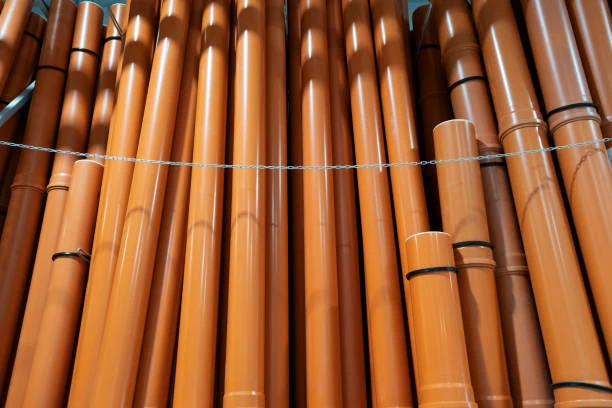
PPH tube offers strong corrosion resistance, making it a reliable choice for industrial and commercial applications. Many industries use these pipes to transport chemicals, water, and other fluids without worrying about degradation. Unlike metal pipes, which rust and corrode over time, these pipes maintain their integrity even in harsh environments.
Industries dealing with corrosive substances, such as chemical processing plants, water treatment facilities, and laboratories, trust these pipes for their durability and chemical stability. Their non-reactive nature ensures long-term performance, reducing maintenance costs and improving system efficiency.
Material Composition and Corrosion Resistance
PPH tube consists of polypropylene homopolymer, a thermoplastic known for its high resistance to chemical attacks. The material does not contain metal elements that react with acids, alkalis, or oxidizing agents. This structural advantage prevents the formation of rust, scale, or other corrosive byproducts.
Molecular stability plays a crucial role in maintaining the pipe’s resistance to aggressive substances. Even when exposed to extreme pH levels, these pipes do not degrade, crack, or lose structural strength. The absence of plasticizers or stabilizers that break down over time ensures long-term durability.
Resistance to Acidic Corrosion
Many industrial processes involve acids that can quickly corrode metal pipes. PPH tube resists a wide range of acids, including:
- Sulfuric Acid (H₂SO₄) – Chemical plants use this acid extensively, but it does not degrade these pipes.
- Hydrochloric Acid (HCl) – Many industrial applications require hydrochloric acid, which does not affect these pipes.
- Nitric Acid (HNO₃) – Even at moderate concentrations, this strong oxidizing acid does not weaken their structure.
- Acetic Acid (CH₃COOH) – Used in food processing and chemical production, acetic acid does not compromise the material.
Industries handling acidic solutions choose these pipes for reliable and long-lasting fluid transport.
Resistance to Alkaline Corrosion
Alkalis can damage many materials over time, but PPH tube remains stable in alkaline environments. These pipes resist:
- Sodium Hydroxide (NaOH) – Also called caustic soda, this chemical does not degrade these pipes.
- Potassium Hydroxide (KOH) – This strong base does not affect the pipe’s structure or performance.
- Ammonia (NH₃) and Ammonium Compounds – These pipes transport ammonia-based substances without degradation.
Water treatment plants, chemical manufacturers, and cleaning product factories use these pipes for safe alkaline fluid handling.
Resistance to Oxidation and Corrosive Gases
PPH tube does not react with oxidizing agents that cause corrosion in metal pipes. These pipes remain stable when exposed to:
- Chlorine (Cl₂) – Commonly used for disinfection and water treatment, chlorine does not damage these pipes.
- Ozone (O₃) – This powerful oxidizing agent does not weaken or degrade these pipes.
- Hydrogen Peroxide (H₂O₂) – Used in cleaning and sterilization, this chemical does not compromise the material.
Water treatment and sanitation industries prefer these pipes for handling oxidizing substances safely.
Resistance to Organic and Inorganic Solvents
PPH tube withstands many organic and inorganic solvents, making it suitable for chemical transport. The material resists:
- Alcohols – Ethanol, methanol, and isopropanol do not damage these pipes.
- Ketones – Acetone and methyl ethyl ketone do not weaken the structure.
- Hydrocarbons – Substances such as benzene, toluene, and xylene do not degrade the material.
Chemical processing plants and laboratories use these pipes for safe and efficient transport of solvents.
Resistance to Saltwater and Marine Environments
Many piping materials corrode in saltwater environments due to high chloride content. PPH tube does not react with salt or seawater, making it ideal for marine applications. Unlike metal pipes that develop rust and scale, these pipes maintain their performance in coastal and offshore conditions.
Desalination plants, shipbuilding industries, and offshore drilling facilities depend on these pipes for reliable fluid handling.
Factors Affecting Corrosion Resistance
Temperature
PPH tube performs well at temperatures up to 80°C (176°F). Higher temperatures may accelerate chemical reactions, but these pipes maintain their resistance under normal industrial conditions.
Chemical Concentration
Higher concentrations of aggressive chemicals can impact resistance. Conducting compatibility tests ensures long-term durability when handling highly concentrated substances.
Exposure Time
Long-term exposure to corrosive chemicals can influence material integrity. These pipes resist most chemicals for extended periods, but routine inspections help maintain optimal performance.
Mechanical Stress
External pressure, vibrations, and impact may create weak points in piping systems. Proper installation and support prevent mechanical failure and enhance corrosion resistance.
UV Exposure
Direct exposure to sunlight for prolonged periods can affect thermoplastics. Using protective coatings or installing pipes in shaded areas improves longevity in outdoor applications.
Applications in Corrosive Environments
Chemical Processing Plants
Many chemical plants handle acids, alkalis, and solvents that corrode traditional pipes. PPH tube ensures safe and efficient transport of these substances.
Water and Wastewater Treatment
Water treatment facilities use chemicals like chlorine and sulfuric acid for purification. These pipes handle aggressive substances without degradation.
Food and Beverage Industry
Cleaning agents, acidic liquids, and salt solutions require corrosion-resistant piping. These pipes provide a hygienic and durable solution for food processing plants.
Pharmaceutical and Medical Applications
Pharmaceutical production involves chemicals that require non-reactive transport systems. These pipes maintain purity while preventing contamination.
Marine and Offshore Industries
Saltwater environments cause rapid corrosion in metal pipes. These pipes offer a long-lasting alternative for shipbuilding, desalination, and offshore drilling applications.
Mining and Metallurgy
Mining operations use corrosive chemicals to extract and process metals. These pipes transport leaching solutions, acids, and other aggressive fluids without degradation.
Maintenance and Longevity
To extend the lifespan of PPH tube, proper maintenance includes:
- Regular Inspections – Checking for physical damage or wear ensures long-term performance.
- Proper Installation – Secure fittings and support structures prevent mechanical stress.
- Temperature Management – Keeping operating temperatures within recommended limits enhances durability.
- Chemical Compatibility Checks – Verifying chemical resistance prevents unexpected failures.
Industries following these best practices experience reduced maintenance costs and increased system efficiency.
Conclusion
PPH tube provides exceptional corrosion resistance, making it the preferred choice for industries handling aggressive substances. These pipes resist acids, alkalis, oxidizers, solvents, and saltwater, ensuring long-term durability.
Factors such as temperature, exposure time, and chemical concentration influence performance, but proper installation and maintenance enhance reliability. Chemical plants, water treatment facilities, food processing plants, and marine industries trust these pipes for safe and efficient fluid transport. Their ability to withstand corrosion improves operational efficiency and reduces maintenance costs.
IFAN international standard
IFAN’s PPH pipes comply with multiple international and national standards, ensuring high quality and reliability. These standards include ISO 15494 Series standards, EN ISO 15494, DIN 8077/8078, ASTM F2389, GB/T 19472 Series standards, and NBR 15494. Each standard defines specific requirements for material properties, dimensions, performance, and testing methods. By adhering to these standards, IFAN guarantees durability, chemical resistance, and safety in various applications, including industrial piping, water treatment, and chemical transport systems. These certifications demonstrate IFAN’s commitment to excellence and global compatibility.
Contact
IFAN is a professional manufacturer with of experience, dedicated to producing high-quality plastic pipes, fittings, and valves. Our products include brass valves, PPR valves, as well as various pipes and fittings to meet different customer needs. Whether you need plumbing and drainage pipes or valve products, IFAN can provide a diverse range of high-quality, cost-effective products to support your projects. Below is our contact information.
We will reply your email or fax within 24 hours.
You can call us at any time if there is any question on our production.
For more information,pls visit our webside https://www.ifanplus.com/
Pls Mailto: [email protected]
Whatsapp: + 86 19857948982























