


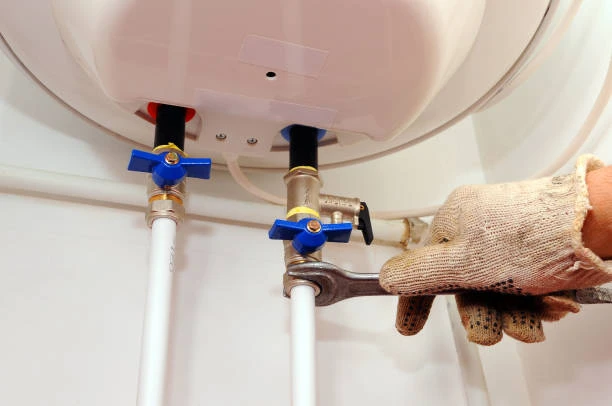
In the world of plumbing, corrosion is a silent but persistent threat. Over time, it can compromise system integrity, lead to leaks, and contaminate water. Traditional metal pipes such as copper, galvanized steel, and iron are particularly vulnerable. However, with the rise of PEX (cross-linked polyethylene) plumbing systems, a corrosion-resistant alternative is now widely available. In this article, we will explore the corrosion resistance of PEX, compare it with traditional materials, and explain why it is quickly becoming the preferred choice for both residential and commercial installations.
Understanding Pipe Corrosion
Before diving into the benefits of PEX, it is crucial to understand what corrosion is and how it affects plumbing systems. Corrosion occurs when metal reacts with substances such as water, oxygen, and various chemicals. This reaction weakens the material and can result in the formation of rust, scale, or pits.
Additionally, the quality of water often plays a major role. For instance, water with high acidity, high levels of dissolved oxygen, or elevated chlorine content tends to accelerate corrosion. Consequently, pipes located in areas with hard or chemically aggressive water are at greater risk.
Traditional Materials and Their Corrosion Issues
For many decades, copper pipes have dominated the plumbing industry. While copper is naturally resistant to some forms of corrosion, it is not immune. Over time, copper pipes may develop pinhole leaks due to pitting corrosion. In addition, aggressive water can cause internal scaling, which narrows the pipe and reduces water flow.
Similarly, galvanized steel pipes are susceptible to both internal and external corrosion. When the protective zinc coating wears off, rust quickly forms. This type of pipe often fails after several years, especially in regions with high humidity or acidic soils.
Iron pipes, although extremely strong, are the most vulnerable to corrosion. Rust builds up rapidly, leading to leaks, discoloration of water, and even complete blockages.
Introducing PEX: A Corrosion-Resistant Alternative
Unlike metal pipes, PEX is made of high-density polyethylene that has been cross-linked for added strength. One of the most significant advantages of PEX is its resistance to corrosion. Because it is a plastic material, it does not react with oxygen, water, or minerals. As a result, it does not rust, pit, or scale.
Moreover, PEX maintains its integrity even when exposed to harsh water conditions. Whether the water supply is acidic, alkaline, chlorinated, or high in mineral content, PEX tubing remains unaffected. This quality makes it an ideal solution for areas where metal pipes fail prematurely due to corrosion.
The Science Behind PEX’s Resistance
The durability of PEX comes from its molecular structure. During the manufacturing process, polyethylene molecules are chemically or physically cross-linked. This creates a stable, three-dimensional network. Because of this network, PEX becomes stronger and more resistant to chemical attacks.
Furthermore, PEX has a smooth interior surface that does not support the buildup of scale or biological growth. This not only prevents corrosion but also maintains consistent water pressure over time.
Advantages Over Copper in Corrosive Environments
In coastal regions, where the air contains salt, or in older neighborhoods with poor water quality, copper pipes often experience accelerated corrosion. Homeowners in these areas frequently deal with leaks and must replace plumbing prematurely. PEX, however, is unaffected by salty air or acidic water.
Even in municipal water systems that use chlorine or chloramine for disinfection, PEX demonstrates excellent chemical resistance. It does not degrade like some rubber materials or suffer from the stress corrosion cracking seen in certain types of metal.
Therefore, in corrosive environments, switching to PEX can significantly extend the life of a plumbing system.
Long-Term Performance and Peace of Mind
Over the years, field studies and laboratory tests have confirmed that PEX systems maintain their strength and flexibility for decades. Most manufacturers offer warranties of up to 25 years, reflecting their confidence in PEX’s long-term durability.
Moreover, since PEX does not corrode, it reduces the likelihood of unexpected failures. Fewer leaks mean less water damage, fewer repairs, and greater peace of mind for homeowners.
In commercial buildings, where maintenance can be costly and disruptive, PEX provides a low-maintenance solution. Its corrosion resistance ensures uninterrupted service and reduces the need for frequent inspections or replacements.
Installation Benefits Related to Corrosion
The installation process also benefits from PEX’s corrosion resistance. Since PEX is not affected by soil acidity or water chemistry, it can be installed in a wider range of environments without requiring additional protective measures. For example, while copper pipes in acidic soil require sleeves or coatings, PEX can be buried directly in most cases.
Additionally, PEX can be used in both hot and cold water systems. It performs well at high temperatures and pressures without degrading. This makes it suitable for radiant heating, potable water lines, and recirculating systems—applications where corrosion resistance is especially important.
Environmental and Health Considerations
From an environmental standpoint, corrosion in metal pipes leads to material waste and contaminated water. Leaking metal pipes not only waste water but also introduce rust and heavy metals into the supply.
PEX, on the other hand, contributes to sustainability by reducing the need for pipe replacement and conserving water through leak prevention. Furthermore, since PEX does not release metals into the water, it helps maintain better water quality for drinking and cooking.
Health-wise, PEX meets rigorous safety standards for potable water. It is approved by national and international health agencies and does not leach harmful substances under normal conditions. Its resistance to biofilm formation further enhances its safety profile.
Cost Savings Through Corrosion Resistance
Although initial material costs for PEX may be comparable to or slightly higher than some alternatives, its long-term savings are considerable. Because it resists corrosion, PEX significantly lowers the need for repairs and replacements. In other words, investing in PEX reduces ongoing maintenance expenses.
Labor costs are also lower due to simpler installation techniques. Unlike metal piping, PEX does not require soldering, threading, or special cutting tools. This makes the installation process faster, cleaner, and less expensive overall.
Applications Where PEX Excels
PEX plumbing is suitable for a variety of residential, commercial, and industrial applications. Its corrosion resistance makes it ideal for:
- Areas with aggressive water chemistry
- Homes in coastal regions with salty air
- Radiant heating systems where water circulates constantly
- Multi-family housing where consistent performance is essential
- Retrofit projects where existing pipes have failed due to corrosion
Furthermore, PEX is flexible and available in long rolls, which allows for fewer fittings and joints. This reduces potential weak points and enhances reliability in the long run.
Choosing the Right Type of PEX
There are three common types of PEX: PEX-A, PEX-B, and PEX-C. All types share excellent corrosion resistance, but there are some differences in flexibility and installation.
PEX-A is the most flexible and ideal for cold climates or complex layouts. PEX-B is slightly stiffer but more affordable and widely used in residential applications. PEX-C offers moderate flexibility and is suitable for general-purpose use.
Regardless of the type chosen, all PEX products provide robust corrosion protection and deliver long-term performance.
Transitioning From Metal to PEX
For many property owners, replacing old metal pipes with PEX is a practical solution. Retrofitting with PEX often involves less invasive procedures. Because of its flexibility, PEX can be snaked through existing walls, around corners, and under floors with minimal disruption.
In addition, PEX fittings are available in various styles—crimp, clamp, push-to-connect—making the conversion process smoother. The reduced weight of PEX also simplifies handling, especially in multi-story buildings.
Code Compliance and Certification
PEX plumbing is accepted by most national and international plumbing codes. It is certified by organizations such as NSF International, ASTM, and CSA. These certifications ensure that PEX meets strict performance, health, and safety standards.
Additionally, manufacturers continuously test their products to ensure compatibility with modern water treatment practices, including chlorination. Therefore, building inspectors and contractors can use PEX with full confidence.
Case Studies and Industry Adoption
Numerous case studies highlight the successful use of PEX in regions where metal pipes failed due to corrosion. For instance, in parts of the southern United States where soil conditions corrode copper, entire neighborhoods have transitioned to PEX. Since the switch, reports of pipe failures have dropped dramatically.
Similarly, hospitals and schools in urban environments have installed PEX to reduce maintenance downtime and improve water quality. These examples demonstrate that PEX is not just a theoretical solution—it performs exceptionally well in real-world conditions.
Maintenance and Longevity Tips
Although PEX is largely maintenance-free, a few best practices can help ensure its longevity:
- Avoid exposing PEX to direct sunlight for extended periods
- Use proper support to prevent sagging over long distances
- Follow manufacturer guidelines for fittings and installation
- Insulate hot water lines to conserve energy
By observing these simple measures, property owners can maximize the lifespan and performance of their PEX systems.
Final Thoughts: Why PEX Is the Future
In conclusion, corrosion resistance is one of the most valuable features of PEX plumbing. It offers a powerful advantage over traditional metal pipes, especially in environments where water chemistry or external conditions would lead to premature failure.
By resisting rust, scale, and chemical degradation, PEX ensures clean water, fewer repairs, and long-term reliability. Its versatility, ease of installation, and environmental benefits make it a top choice for modern plumbing systems.
Whether you are building a new home, remodeling an old one, or managing a large facility, PEX provides a future-proof plumbing solution. With its corrosion-resistant nature, you can enjoy worry-free plumbing that lasts for decades.
IFAN international standard
IFAN products comply with various internationally recognized standards to ensure quality and reliability. These standards include ISO 15875, GB/T 18992, DIN 16892, ASTM F877, ASTM F2788, BS 7291, BS EN ISO 15875, and CSA B137. Adherence to these certifications demonstrates IFAN’s commitment to meeting global requirements for performance, safety, and durability in piping systems.
Contact
IFAN is a professional manufacturer with of experience, dedicated to producing high-quality plastic pipes, fittings, and valves. Our products include brass valves, PPR valves, as well as various pipes and fittings to meet different customer needs. Whether you need plumbing and drainage pipes or valve products, IFAN can provide a diverse range of high-quality, cost-effective products to support your projects. Below is our contact information.
We will reply your email or fax within 24 hours.
You can call us at any time if there is any question on our production.
For more information,pls visit our webside https://www.ifanplus.com/
Pls Mailto: [email protected]
Whatsapp: + 86 19857948982























