


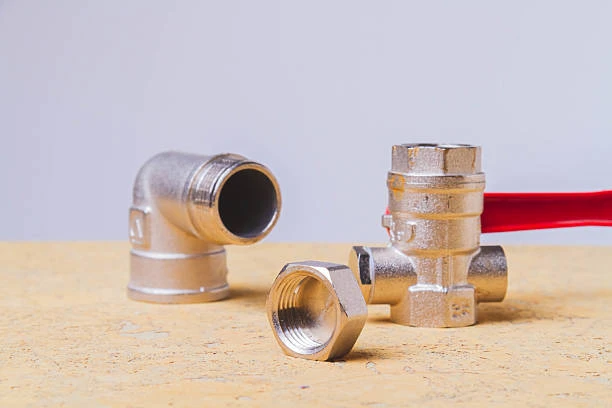
Introduction: Long-Term Solutions for Every Plumbing Need
Choosing the right plumbing fittings plays a crucial role in ensuring the safety, durability, and performance of any water or gas system. Among all available options, copper plumbing fittings have stood the test of time. Known for their strength, longevity, and resistance to corrosion, these fittings continue to be the go-to solution for both residential and commercial plumbing projects. They offer not only structural reliability but also health safety, making them a preferred choice for potable water systems. In this article, we explore the essential characteristics of copper fittings, their applications, how to choose the right type, and how they compare with other materials.
Frequently Asked Questions (FAQ)
1. What are copper plumbing fittings used for?
They are used to connect, extend, or terminate copper pipes in plumbing systems for water, gas, or heating.
2. Are copper fittings safe for drinking water?
Yes. Copper is a non-toxic material and does not release harmful chemicals into potable water.
3. Do copper fittings require special tools for installation?
Yes. Most copper fittings require soldering or pressing tools, depending on the type.
4. How long do copper fittings last?
With proper installation and maintenance, copper fittings can last over .
5. Can copper fittings be used with plastic pipes?
Yes, but you must use compatible adapters or transition fittings to ensure a secure and leak-free connection.
Definition and Key Features of Copper Plumbing Fittings
Copper plumbing fittings are connectors designed to join copper pipes together or to change the direction of flow within a plumbing system. These fittings come in various shapes and sizes, including elbows, tees, couplings, reducers, and end caps. Each type serves a specific function within a fluid distribution system.
Key features of copper plumbing fittings include:
- High Durability: Copper is resistant to pressure, temperature fluctuations, and mechanical damage.
- Corrosion Resistance: It naturally resists rust and corrosion, even in high-humidity environments.
- Non-Toxic Material: Copper is safe for drinking water and meets international health standards.
- Thermal Conductivity: Ideal for hot water systems due to its ability to conduct and retain heat.
- Fire Resistance: Unlike plastic, copper does not burn or emit toxic gases during a fire.
- Recyclability: 100% recyclable, making copper fittings an environmentally friendly choice.
These characteristics make copper fittings one of the most trusted components in plumbing systems worldwide.
Common Uses and Industries
Copper plumbing fittings are used in a wide range of systems and industries. Their reliability and versatility allow them to perform well in both low and high-pressure environments. Common applications include:
- Residential Water Supply: For hot and cold water distribution throughout kitchens, bathrooms, and laundry areas.
- Commercial Buildings: Used in high-rise buildings, hotels, hospitals, and offices due to their safety and performance.
- Heating Systems: Ideal for radiant floor heating, boiler systems, and central heating circuits.
- Gas Lines: Approved for certain types of gas distribution, particularly in interior settings.
- Industrial Facilities: In plants or factories where consistent and safe fluid distribution is essential.
- Fire Suppression Systems: Due to their fire resistance, copper pipes and fittings are suitable for sprinkler systems.
Regardless of the setting, copper fittings deliver long-term performance and minimize maintenance issues.
Buying Guide: What to Look for in Copper Plumbing Fittings
Selecting the right copper fittings involves more than just checking dimensions. It requires a complete understanding of the system’s demands and environmental conditions. Here are several points to consider:
1. Type of Copper
- Type L: Thicker walls, ideal for interior water lines and pressure systems.
- Type M: Thinner walls, suitable for residential water supply lines.
- Type K: Extra thick, often used underground or for commercial installations.
2. Fitting Type
- Elbows: Change the direction of flow (typically 45° or 90° angles).
- Tees: Split flow into different directions.
- Couplings: Connect two straight pipe ends.
- Caps: Close off unused pipe sections.
3. Connection Method
- Soldered (sweat) fittings: Require heat and flux for a permanent, leak-proof bond.
- Press-fit fittings: Installed using a special tool; quicker and cleaner than soldering.
- Push-fit fittings: Easy to install without tools, suitable for quick repairs or tight spaces.
4. Certifications
- Ensure the product meets local and international standards such as NSF/ANSI 61 (for drinking water) or ASTM B88.
5. Visual Inspection
- Look for uniform thickness, clean edges, and a smooth finish.
- Avoid fittings with visible dents or discoloration, which may indicate poor quality.
Choosing high-quality copper fittings reduces the chance of leaks, improves efficiency, and ensures long-term performance.
Durability and Reliability in Real-World Applications
The core promise of copper plumbing fittings is in the article title: durable and reliable. These fittings are designed to withstand the stresses of everyday plumbing systems without failure.
Long Lifespan
When installed correctly, copper fittings resist corrosion and mineral buildup. Unlike plastic fittings that may degrade in sunlight or under high heat, copper maintains its structure for decades.
Performance Under Pressure
Copper fittings handle both low and high-pressure systems efficiently. They are ideal for high-rise buildings where water pressure can vary between floors.
Resistant to Biological Contamination
Copper has natural antimicrobial properties. This quality is especially valuable in medical settings or anywhere potable water quality is a concern.
Minimal Maintenance
Copper installations require less maintenance compared to plastic or steel. Their performance remains consistent with fewer interventions over time.
Because of these strengths, copper fittings are often preferred for critical infrastructure where failure is not an option.
Comparison: Copper Plumbing Fittings vs. Other Materials
To better understand the advantages of copper, here is a side-by-side comparison with other common materials:
| Feature | Copper Fittings | PVC Fittings | PEX Fittings | Galvanized Steel Fittings |
|---|---|---|---|---|
| Durability | Very high | Moderate | High | High |
| Corrosion Resistance | Excellent | Poor (UV sensitive) | Good | Poor |
| Temperature Tolerance | Excellent | Limited | Moderate | Moderate |
| Fire Resistance | Excellent | Poor | Poor | Moderate |
| Installation Complexity | Moderate (requires skill) | Easy | Easy | Hard |
| Cost | Higher initial cost | Low | Moderate | Moderate |
| Lifespan | 50+ years | 20– | 25–40 years | 30– |
| Recyclability | 100% | Low | Low | Moderate |
As the table shows, copper fittings outperform other materials in terms of safety, lifespan, and resistance to external factors. Although the initial cost may be higher, their performance and longevity justify the investment.
Conclusion
Copper plumbing fittings remain a benchmark of quality in the world of fluid management. Their strength, resistance to corrosion, and compatibility with potable water systems make them a top choice for professionals and homeowners alike. From residential plumbing to industrial pipelines, these fittings ensure long-term durability and peace of mind.
When selecting fittings, it’s important to evaluate the application, material compatibility, and connection methods. Choosing certified, high-grade copper fittings guarantees fewer repairs, better performance, and lasting safety.
In summary, copper plumbing fittings are more than just connectors — they are critical components that contribute to a system’s overall reliability. With their unmatched combination of durability and efficiency, they continue to be the standard for secure and sustainable plumbing solutions.
Contact IFAN for Catalogs and Samples
Need technical documents, catalogs, or sample products? Reach out to IFAN today.
📧 Email: [email protected]
📱 Whatsapp: +86 19857948982
Our team responds quickly and provides professional support for all your pipeline needs.
IFAN international standard
IFAN piping systems comply with a wide range of international standards to ensure high quality and performance. These include ASTM F1974 and ASTM F1281 for multilayer piping systems, CSA B137 for Canadian plumbing applications, DIN 16836 for German technical specifications, GB18997 for Chinese standards, and ISO 21003, which covers multilayer piping systems used for hot and cold water installations. This broad certification scope highlights IFAN’s commitment to global compliance and product reliability.























