


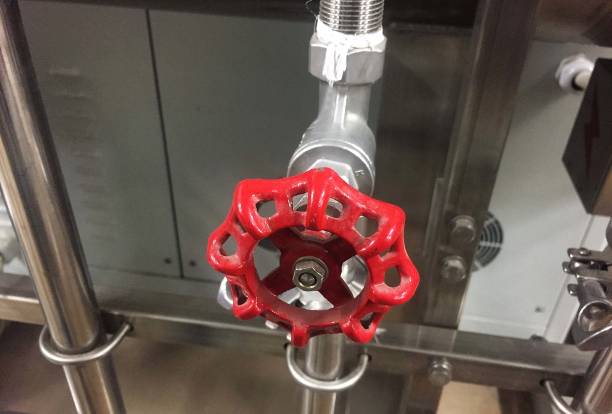
Control water valves play a crucial role in managing the flow and pressure of water in residential plumbing systems. These valves help distribute water efficiently to various fixtures, appliances, and areas within a home. They enhance the efficiency, reliability, and safety of water supply systems. This article explores the role of control water valves in residential water supply systems, highlighting their importance, types, installation, maintenance, and benefits.
Understanding Control Water Valves
Control water valves regulate the flow and pressure of water within a piping system. In a residential setting, these valves control water delivery to sinks, toilets, showers, washing machines, and outdoor areas such as gardens or irrigation systems. Homeowners can manually or automatically adjust the valve to achieve the desired flow rate or pressure.
These valves ensure a steady and efficient water supply throughout the home. Without control valves, the system may experience fluctuations in water pressure, inefficient flow, or even leaks. These valves maintain consistent flow, preventing such issues and ensuring a reliable water supply.
Importance of Control Valves in Residential Water Systems
Control water valves hold significant importance in residential water systems. They provide several benefits, such as:
- Flow Regulation: Control valves manage water flow, ensuring it reaches various areas of the home with proper pressure. These valves prevent weak water pressure in faucets or showers.
- Pressure Control: Pressure-regulating valves maintain consistent water pressure in the plumbing system. These valves help avoid damage caused by excessive pressure and promote system longevity.
- Water Conservation: Control valves reduce water wastage by regulating the flow of water. This aspect proves especially valuable for homeowners who want to conserve water and reduce utility costs.
- Emergency Shut-off: Control valves act as emergency shut-off valves in the event of pipe bursts or leaks. These valves prevent water from causing extensive damage in such emergencies.
- System Efficiency: Well-maintained control valves improve system efficiency. These valves ensure water flows only where needed, optimizing energy use and reducing waste.
Types of Control Water Valves for Residential Use
They come in various designs. Each type suits different applications in the home plumbing system. The following are some of the most commonly used types:
- Ball Valves: They effectively control water flow. They consist of a ball with a hole through the middle. Homeowners rotate the ball to allow or stop water flow. These valves often serve as main shut-off valves due to their simplicity and durability.
- Globe Valves: Globe valves regulate or throttle water flow. They feature a disc that moves up and down within the valve body to control water flow. These valves work well when precise control is needed, such as for faucets or showerheads.
- Butterfly Valves: Butterfly valves are compact, lightweight, and cost-effective. These valves are ideal for larger pipes that supply water to multiple parts of the house. A rotating disc inside the valve regulates water flow.
- Check Valves: Check valves prevent backflow in the plumbing system. They allow water to flow in only one direction, ensuring it doesn’t reverse and contaminate the supply. These valves prove essential in preventing cross-connection contamination.
- Pressure Reducing Valves (PRVs): Pressure-reducing valves control the water pressure entering the home. These valves protect pipes and fixtures from high pressure that can cause leaks or damage.
- Automatic Control Valves: These valves use sensors or controllers to adjust water flow automatically based on pressure, temperature, or other conditions. They often feature in advanced home systems, such as smart or automated plumbing systems.
Installing Control Water Valves in Residential Water Supply Systems
Proper installation of them is essential for optimal performance in the home water supply system. The installation process depends on the valve type, plumbing system layout, and whether the installation involves a new or existing system. Here’s a general installation guide for control valves:
- Turn Off the Water Supply: Always shut off the main water supply before starting the installation. Doing so prevents water from spilling out during the process.
- Select the Right Valve: Choose the appropriate valve for the intended function. For instance, use a ball valve for the main shut-off or a pressure-reducing valve for controlling water pressure.
- Cut the Pipes (If Necessary): If the valve needs to be installed in an existing system, cut the pipes to create space. Use a pipe cutter for clean, straight cuts.
- Install the Valve: Position the valve into the pipe, ensuring the correct orientation. For instance, ensure the check valve’s flow direction is correct. Depending on the valve type, you may need to use compression fittings, solder, or threading.
- Secure the Fittings: Tighten all connections to prevent leaks. Use the appropriate tools, like a pipe wrench, to ensure the fittings are secure but avoid over-tightening.
- Test the System: Once the valve is installed, turn the water back on. Check for leaks and test the valve’s operation by adjusting it to ensure it works correctly.
- Inspect the System: After installation, inspect the entire plumbing system for leaks and issues to ensure proper operation of the valve.
Maintaining Control Water Valves
Maintaining them is crucial for ensuring their long-term effectiveness and preventing problems like leaks, low pressure, or inefficient flow. Regular maintenance can extend the lifespan of the valve and the water system. Here are some essential maintenance tips:
- Check for Leaks: Inspect valve connections regularly for leaks. Even small leaks can waste water and lead to bigger issues over time.
- Clean the Valve: Periodically clean the valve to remove debris or mineral buildup. This helps maintain smooth operation, especially in areas with hard water.
- Test the Valve: Periodically test the valve to ensure it opens and closes smoothly. If it becomes difficult to operate, the valve might need lubrication or replacement.
- Replace Worn Parts: Over time, valve components like seals or gaskets can wear out, causing leaks. Replace worn-out parts to keep the valve functioning properly.
- Inspect Pressure Regulators: If your home has a pressure-reducing valve, check the pressure setting regularly. Ensure it remains within the desired range to prevent damage to pipes and fixtures.
Benefits of Control Water Valves in Residential Systems
Control water valves provide several advantages in residential water supply systems:
- Improved Water Efficiency: Control valves optimize water usage by regulating the flow and pressure. This helps conserve water and reduces utility costs.
- Enhanced System Performance: Well-maintained control valves ensure efficient water distribution. This prevents issues like clogs, low water pressure, or inefficient flow.
- Cost Savings: By reducing water wastage and preventing system damage, they help homeowners save on water bills and repair costs.
- Increased Home Safety: Control valves, such as emergency shut-off valves and pressure-reducing valves, protect the home from water damage caused by high pressure or leaks.
- Simplified Maintenance: With properly installed and maintained control valves, homeowners find it easier to manage and troubleshoot their water systems. This reduces the need for professional plumbing services.
Conclusion
Control water valves are essential components in residential water supply systems. They regulate flow, maintain pressure, conserve water, and ensure efficient system operation. Understanding the different types of them, installation processes, and maintenance requirements helps homeowners maximize the performance of their water systems.
Proper installation and maintenance of these valves ensure a reliable, efficient, and safe water supply. Whether for new installations or system upgrades, they offer a practical and cost-effective solution for managing residential water supply systems. By choosing the right valve and keeping it in good condition, homeowners can enjoy long-term benefits, including reduced water wastage, better system performance, and cost savings.
IFAN international standard
IFAN’s HDPE compression fittings and pipes comply with a wide range of international standards, ensuring high performance and global compatibility. These include ASTM D3035 and ASTM D3350 from the United States, ISO 4427 series and EN 12201 series from Europe, DIN 8074/8075 from Germany, GB/T 13663 series from China, AS/NZS 4130 from Australia and New Zealand, JIS K6760 from Japan, BS 6572 from the United Kingdom, and CSA B137.1 from Canada. Adherence to these standards guarantees excellent mechanical properties, chemical resistance, and long-term durability across diverse water supply and industrial applications.
Contact
IFAN is a professional manufacturer with of experience, dedicated to producing high-quality plastic pipes, fittings, and valves. Our products include brass valves, PPR valves, as well as various pipes and fittings to meet different customer needs. Whether you need plumbing and drainage pipes or valve products, IFAN can provide a diverse range of high-quality, cost-effective products to support your projects. Below is our contact information.
We will reply your email or fax within 24 hours.
You can call us at any time if there is any question on our production.
For more information,pls visit our webside https://www.ifanplus.com/
Pls Mailto: [email protected]
Whatsapp: + 86 19857948982























