


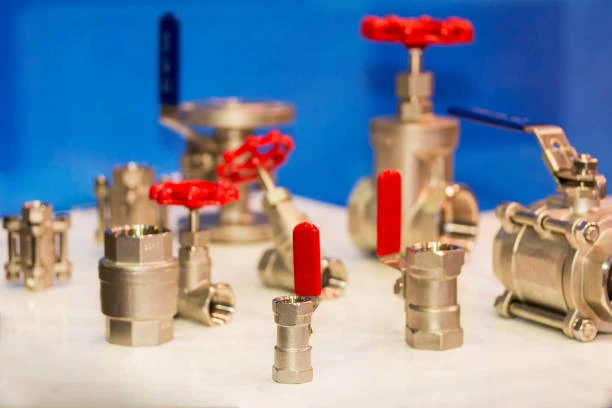
For any fluid or gas system, the ability to stop the flow immediately is essential. That’s where the compression ball valve comes in. Known for its rapid shutoff mechanism and easy installation, this valve has become a favorite among professionals and DIY users alike. Whether you are managing a residential water system or working with industrial piping, the quick shutoff feature of a compression ball valve offers reliability, safety, and convenience.
In this article, we explore everything you need to know about the compression ball valve. From its core features to practical applications, from how to choose the right one to how it compares with other valve types, we’ll guide you through a detailed look at this essential plumbing component.
Frequently Asked Questions (FAQ)
1. What is a compression ball valve?
It is a valve that uses a rotating ball to control flow and compression fittings to seal onto the pipe without soldering or threading.
2. How does a compression ball valve ensure quick shutoff?
By rotating the handle just a quarter turn, the internal ball moves to block flow immediately, making shutoff almost instant.
3. Is it easy to install a compression ball valve?
Yes, installation is simple. Only basic tools like wrenches are needed, and no heating or adhesives are required.
4. Can compression ball valves be reused?
Absolutely. If removed carefully, many compression valves can be reinstalled, making them more versatile than permanent fittings.
5. Where are compression ball valves most commonly used?
They are widely used in homes, commercial buildings, water systems, and even gas supply lines due to their fast response and ease of maintenance.
What Is a Compression Ball Valve? Key Features and Design
A compression ball valve is a shutoff valve that combines a ball-style internal mechanism with compression fittings on each end. The valve works by rotating a hollow ball with a hole through its center. When the hole aligns with the pipe, fluid flows freely. When turned 90 degrees, the ball blocks the flow entirely.
What sets this valve apart is the use of compression fittings. These fittings use a nut and a metal or plastic ferrule that compress around the pipe as the nut tightens. This design forms a strong, leak-resistant seal without solder, glue, or heat.
Main Features
- Quick shutoff with quarter-turn handle
- Tool-only installation—no flames or chemicals needed
- Reliable seal created through mechanical compression
- Suitable for copper, PEX, and CPVC pipes
- Durable construction, often from brass or stainless steel
- Compact design for small spaces and tight corners
Thanks to these features, compression ball valves are known for saving time, reducing labor, and minimizing system downtime.
Common Uses and Application Areas
Because of their flexibility, compression ball valves are used across many different fields. Let’s explore where they shine the most.
Residential Plumbing
In homes, compression ball valves are often used to control water supply lines leading to sinks, toilets, dishwashers, and washing machines. Their fast shutoff makes them ideal during maintenance or emergency repairs. They also serve as reliable isolation valves during renovations.
Heating and Cooling Systems
In HVAC systems, these valves control the flow of heated or chilled water. Radiant heating loops and hydronic systems frequently use compression ball valves because they allow quick shutoff without requiring pipe modifications.
Water Filtration Units
Compression ball valves are excellent for use in water filtration systems. Users can shut off the water before changing filters or servicing the unit, avoiding leaks and unnecessary water loss.
Commercial and Light Industrial Settings
Restaurants, laboratories, and light manufacturing facilities benefit from these valves in controlling non-corrosive fluids. They’re durable enough for regular operation and easy enough for staff to handle without specialized tools.
Gas and Air Supply
Though not all compression ball valves are gas-rated, those designed for gas use offer a convenient and reliable way to shut off supply in various settings, such as appliances or low-pressure gas systems.
Because of these applications, the compression ball valve has become one of the most versatile shutoff solutions on the market.
Buying Guide: How to Choose the Right Compression Ball Valve
To make the right selection, it’s important to consider several key factors beyond just size and material. The following guide offers a step-by-step process to help you pick the ideal valve for your system.
1. Determine Pipe Type and Size
First, identify the pipe you’re connecting to. Compression valves are compatible with copper, PEX, and CPVC piping. Most common sizes are 1/2″, 3/4″, and 1″.
2. Choose the Right Material
Brass is the most common choice for water applications due to its strength and affordability. Stainless steel is more corrosion-resistant, ideal for chemical or outdoor use. For non-potable or low-pressure uses, plastic-bodied options may also be suitable.
3. Check the Pressure and Temperature Ratings
Always make sure the valve meets or exceeds the operating pressure and temperature range of your system. Most compression ball valves can handle up to 600 PSI and temperatures up to 200°F.
4. Consider Handle Type and Accessibility
Make sure the handle type (typically a lever) is easy to grip and operate in the location where you’re installing the valve. Some models come with locking handles for added safety.
5. Confirm Certifications
Look for valves certified to standards such as NSF/ANSI for potable water or CSA for gas systems. These certifications help ensure safety and reliability.
By following these steps, you’ll not only install your valve correctly but also ensure long-term reliability.
Compression Ball Valve: Quick Shutoff in Real Life
As the title of this article suggests, the quick shutoff feature is what makes the compression ball valve a standout. Here’s why that matters in real-world settings.
Fast Emergency Response
Imagine a burst pipe or leaking connection. Being able to shut off water instantly can prevent water damage and save thousands in repairs. With just a quarter turn, a compression ball valve isolates the flow immediately.
Simplified Maintenance
Whether you’re changing a water filter or working on a toilet valve, shutting off the supply takes only seconds. You don’t need to drain the whole system or call in a plumber—this valve makes DIY repairs more accessible than ever.
Reduced Downtime in Commercial Systems
In restaurants or workshops, even a small leak can interrupt operations. Compression ball valves allow quick isolation of problem areas, letting staff carry on with minimal disruption.
Secure Connection Without Heat or Chemicals
Unlike soldered or glued joints, compression connections don’t introduce high heat or harmful fumes. That makes them safer for indoor work and tight spaces.
So, whether for speed, safety, or simplicity, compression ball valves deliver when it matters most.
Comparison Table: Compression Ball Valve vs Other Valve Types
| Feature | Compression Ball Valve | Threaded Valve | Soldered Valve | Push-Fit Valve |
|---|---|---|---|---|
| Installation Tools | Wrench only | Pipe wrench | Torch/solder | None |
| Leak Resistance | Excellent | Good | Excellent | Moderate |
| Reusability | High | Medium | Low | High |
| Ease of Use | Very easy | Moderate | Complex | Easiest |
| Time to Install | Fast | Medium | Slow | Fast |
| Best For Pipe Types | Copper, PEX, CPVC | Metal | Copper | PEX, CPVC |
| Quick Shutoff | Yes (¼ turn) | Yes | Yes | Yes |
| Ideal for DIY? | Definitely | Sometimes | Rarely | Always |
As the table shows, compression ball valves strike a balance between professional-grade performance and user-friendly installation. Their quick shutoff ability, combined with ease of use, makes them the go-to choice for many applications.
Conclusion
To sum up, the compression ball valve offers the perfect solution for those seeking rapid shutoff, reliable sealing, and straightforward installation. It has become a standard in plumbing, HVAC, and water treatment due to its smart design and wide compatibility.
Whether you’re managing a household repair, setting up a commercial water system, or planning a new installation, this valve provides performance you can trust. It allows for safe, leak-free operation, and its quick shutoff mechanism offers peace of mind during unexpected situations.
By choosing the right compression ball valve, you ensure safety, efficiency, and durability in your fluid control system—without the hassle of complex installation or costly maintenance.
Now that you understand how this valve works in action, you’re better equipped to select, install, and benefit from one of the most effective components in modern plumbing.
Contact IFAN for Catalogs and Samples
Need technical documents, catalogs, or sample products? Reach out to IFAN today.
📧 Email: [email protected]
📱 Whatsapp: +86 19857948982
Our team responds quickly and provides professional support for all your pipeline needs.
IFAN international standard
IFAN piping systems comply with a wide range of international standards to ensure high quality and performance. These include ASTM F1974 and ASTM F1281 for multilayer piping systems, CSA B137 for Canadian plumbing applications, DIN 16836 for German technical specifications, GB18997 for Chinese standards, and ISO 21003, which covers multilayer piping systems used for hot and cold water installations. This broad certification scope highlights IFAN’s commitment to global compliance and product reliability.























