


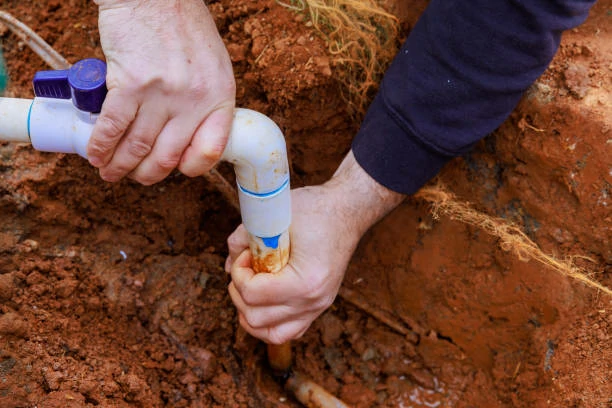
Introduction to LPG Gas Hose Pipes
LPG gas hose pipes are critical components in gas distribution systems. They connect LPG cylinders to appliances like stoves and heaters. PVC hoses are popular due to their flexibility and affordability. However, other materials like rubber and metal are also used. Each material has unique properties and applications. Understanding these differences helps in choosing the right hose for specific needs.
PVC LPG Gas Flexible Hose Pipes
PVC LPG gas hoses are lightweight, durable, and easy to install. They are resistant to corrosion and chemicals, making them ideal for indoor use. For example, they are commonly used in residential kitchens. Their flexibility allows easy handling in tight spaces. PVC hoses are also cost-effective and require minimal maintenance. However, they may not withstand extreme temperatures as well as other materials.
Rubber LPG Gas Hose Pipes
Rubber hoses are known for their flexibility and durability. They perform well in high-temperature environments. For instance, they are used in industrial settings with heat exposure. Rubber hoses are resistant to abrasion and weathering. However, they are heavier and more expensive than PVC hoses. They also require regular inspections to prevent cracks and leaks. Rubber hoses are a reliable choice for demanding applications.
Stainless Steel LPG Gas Hose Pipes
Stainless steel hoses offer superior strength and durability. They are ideal for high-pressure and high-temperature applications. For example, they are used in commercial kitchens and industrial plants. These hoses are resistant to corrosion and extreme weather conditions. However, they are heavier, more expensive, and less flexible than PVC hoses. Stainless steel hoses are a premium choice for heavy-duty use.
Composite LPG Gas Hose Pipes
Composite hoses combine materials like rubber, PVC, and metal for enhanced performance. They are lightweight, flexible, and durable. For instance, they are used in chemical and fuel transportation. Composite hoses resist chemicals, abrasion, and extreme temperatures. They are more expensive than PVC hoses but offer greater versatility. These hoses are ideal for specialized industrial applications.
Cost Comparison of Hose Materials
PVC hoses are the most affordable option for LPG gas systems. Rubber hoses are moderately priced but require more maintenance. Stainless steel and composite hoses are the most expensive due to their advanced features. For example, stainless steel hoses are cost-effective for long-term industrial use. PVC hoses are ideal for budget-conscious residential projects. The choice depends on the application and budget.
Durability and Maintenance
PVC hoses are durable and require minimal maintenance. Rubber hoses need regular inspections to prevent wear and tear. Stainless steel hoses are highly durable but may require occasional cleaning. Composite hoses offer balanced durability and maintenance needs. For instance, PVC hoses are low-maintenance for household use. Stainless steel hoses are long-lasting in harsh environments. Each material has unique maintenance requirements.
Environmental Impact
PVC hoses are recyclable and environmentally friendly. Rubber hoses are less eco-friendly due to their production process. Stainless steel hoses are durable and reduce waste over time. Composite hoses combine recyclable materials for sustainability. For example, PVC hoses support green building practices. Stainless steel hoses minimize environmental impact through longevity. Choosing the right material supports sustainable gas distribution systems.
Conclusion
PVC LPG gas flexible hose pipes offer affordability, flexibility, and ease of use. Rubber hoses provide durability and heat resistance. Stainless steel hoses excel in strength and longevity. Composite hoses combine the best features for specialized applications. Each material has unique advantages and limitations. By comparing these options, you can choose the best hose for your specific needs. PVC hoses remain a popular choice for residential and light commercial use.
IFAN international standard
IFAN adheres to a wide range of international standards to ensure the highest quality and reliability of its products. These standards include ASTM 2846, DIN 8079/8080, and ASTM F441/F441M SCH80, which guarantee the durability and performance of pipes and fittings. For example, GB/T 18993 and AS/NZS 1477 ensure compliance with regional requirements in China and Australia/New Zealand. Additionally, CSA B137.6 and NSF/ANSI 14 certify that products are safe for drinking water applications. Standards like TIS 17-2532/1131-2535 and BS 3505 further validate product quality in Thailand and the UK.
IFAN also complies with ASTM D1785 SCH40/SCH80, DIN 8061/8062, and GB/T 10002, which cover a variety of pressure and non-pressure applications. For drainage systems, ASTM D2665 and ASTM D2729 ensure optimal performance. The ISO 1452 and EN ISO 1452 standards highlight IFAN’s commitment to global quality benchmarks. Furthermore, JIS K6741 and CSA B137.3 cater to specific market needs in Japan and Canada. By meeting these diverse standards, IFAN ensures its products are versatile, reliable, and suitable for global use.
Contact
IFAN is a professional manufacturer with of experience, dedicated to producing high-quality plastic pipes, fittings, and valves. Our products include brass valves, PPR valves, as well as various pipes and fittings to meet different customer needs. Whether you need plumbing and drainage pipes or valve products, IFAN can provide a diverse range of high-quality, cost-effective products to support your projects. Below is our contact information.
We will reply your email or fax within 24 hours.
You can call us at any time if there is any question on our production.
For more information,pls visit our webside https://www.ifanplus.com/
Pls Mailto: [email protected]
Whatsapp: + 86 19857948982























