


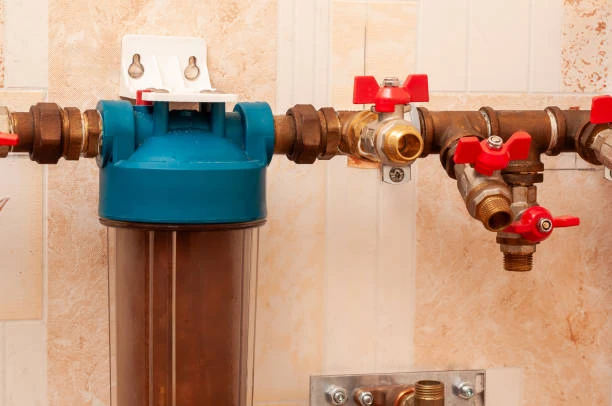
Brass shut off valves are among the most widely used components in plumbing and fluid control systems. Their strength, resistance to corrosion, and easy operation make them ideal for a broad range of applications. From residential plumbing to industrial processing systems, brass shut off valves ensure safe and efficient control of water, gas, and other fluids. This article explores what brass shut off valves are, why they’re popular, how they’re used across various industries, and how to choose and install them effectively.
Frequently Asked Questions (FAQ)
What is a brass shut off valve used for?
It controls the flow of water or gas in a pipeline, allowing users to stop or start fluid movement when needed.
Are brass shut off valves good for outdoor use?
Yes. Brass resists corrosion and weather damage, making it suitable for both indoor and outdoor installations.
Can brass shut off valves be used for drinking water?
Yes, but it’s important to choose lead-free models certified for potable water systems.
How do I know which size valve to use?
Choose a valve size that matches your pipe size. Most household systems use 1/2 inch or 3/4 inch valves.
How long do brass shut off valves last?
With proper installation, these valves can function for 20 years or more without failure.
What Is a Brass Shut Off Valve and Its Key Features
A brass shut off valve is a manually operated device used to control fluid flow in pipes. The body is made of solid brass, a metal alloy composed mainly of copper and zinc. The valve includes a control mechanism, such as a rotating ball or gate, that opens or closes the fluid path when the handle is turned.
Brass shut off valves are especially valued for several reasons:
- Corrosion resistance: Brass doesn’t rust and handles moisture well, which extends service life.
- Durability: It withstands high pressure and extreme temperatures without losing shape or function.
- Smooth operation: Quarter-turn or multi-turn handles offer quick and easy control.
- Compatibility: Brass connects securely with copper, PEX, CPVC, and other plumbing materials.
- Compact design: Most valves are small enough to fit in tight spaces, such as under sinks or behind walls.
These features help ensure safety, efficiency, and reliability in any plumbing or fluid system.
Common Uses and Industries That Rely on Brass Shut Off Valves
Brass shut off valves are used in nearly every area of plumbing and fluid handling. Their versatility makes them suitable for both domestic and industrial use.
Residential Plumbing
In homes, brass shut off valves are found under sinks, behind toilets, near washing machines, and at the main water supply entry point. They allow quick isolation of fixtures during maintenance or emergencies.
Commercial Buildings
Office buildings, hospitals, hotels, and schools use brass shut off valves in bathrooms, kitchens, HVAC systems, and utility rooms. Their durability ensures minimal downtime and easy servicing.
Irrigation and Landscaping
Outdoor hose bibs, sprinkler systems, and drip irrigation setups use these valves to control water flow to specific zones. Brass’s weather resistance makes it ideal for such outdoor uses.
Industrial Systems
Factories and manufacturing plants rely on brass valves in fluid control lines, compressed air systems, cooling equipment, and chemical handling processes.
Marine and RV Plumbing
Boats and recreational vehicles use brass shut off valves in water storage and delivery systems because of their compact size and reliability in tight or mobile environments.
Fire Suppression and Safety Equipment
Many fire sprinkler and safety systems include brass valves because of their dependability and pressure tolerance.
Thanks to their versatility, brass shut off valves are a go-to choice across industries and use cases.
Buying Guide: How to Choose the Right Brass Shut Off Valve
Choosing the right brass shut off valve ensures efficiency, safety, and long service life. Here are the main points to consider during selection:
Material Quality
Ensure the valve is made from solid brass, not plated or zinc-alloy substitutes. For potable water use, choose certified lead-free brass models.
Valve Type
- Ball valves: Best for quick shutoff with a simple quarter-turn motion.
- Gate valves: Useful for slow, precise control in low-pressure applications.
- Angle valves: Designed for wall installations where the pipe comes out at a 90-degree angle.
Connection Type
Choose the connection that matches your existing plumbing:
- Compression fittings for copper pipes
- Threaded (NPT) ends for steel or brass connections
- Push-fit for PEX or CPVC systems
Valve Size
Common sizes include 1/2 inch and 3/4 inch for residential use. Match the valve size to the diameter of your pipe.
Handle Design
Lever handles are easy to operate and give a clear open/closed position. Twist-style handles are compact and often used in tight spaces.
Certifications
For drinking water applications, look for NSF, ANSI, or UPC certifications to ensure compliance with health and plumbing codes.
Operating Pressure and Temperature
Confirm that the valve can handle the pressure and temperature of your plumbing system. Most residential valves handle up to 150 PSI and temperatures up to 200°F.
By evaluating these factors, you can confidently choose a brass shut off valve that suits your application and will last for many years.
Installation Tips for Long-Term Use
Proper installation is key to getting the best performance from a brass shut off valve. Follow these tips to ensure success:
Turn Off the Water Supply
Always shut off the main water line before beginning installation to prevent leaks or spills.
Clean the Pipe Ends
Use sandpaper or a cloth to remove rust, debris, or burrs from the pipe ends. This ensures a tight seal.
Apply Thread Seal Tape or Compound
If your valve uses threaded connections, wrap the male threads with Teflon tape or apply a suitable sealant for leak prevention.
Align and Connect the Valve
Position the valve so the handle is accessible and has room to turn fully. Hand-tighten the connection, then use a wrench to finish—avoid over-tightening.
Check for Leaks
After installation, slowly turn the water back on and open the valve. Look for leaks at all joints. If needed, re-tighten slightly.
Insulate Outdoor Valves
In colder climates, wrap the valve with foam or use an outdoor valve cover to protect it from freezing.
Exercise the Valve Periodically
Turn the valve on and off occasionally to prevent stiffness and keep it working smoothly.
When installed correctly, brass shut off valves rarely require replacement or maintenance for many years.
Brass Shut Off Valves vs. Other Valve Materials
Understanding how brass compares to other valve materials helps explain why it’s often the preferred option.
Plastic
Plastic valves are lightweight and inexpensive but can crack under pressure or degrade in high temperatures. Brass is stronger and more heat-resistant, making it a better choice for long-term use.
Zinc Alloy
Zinc valves are usually cheaper but corrode more quickly and lack the durability of solid brass. Brass offers better strength and longevity, especially in high-moisture environments.
Stainless Steel
Stainless steel is more corrosion-resistant and stronger than brass, but it is also more expensive and harder to install. Brass provides an excellent balance between performance and cost for everyday plumbing.
Copper
Copper valves are rare and often custom-made. Brass, as a copper-zinc alloy, retains many of copper’s advantages while being easier to manufacture and install.
In summary, brass shut off valves combine cost-efficiency, strength, and reliability better than most other valve materials.
Conclusion
Brass shut off valves serve a wide variety of functions in plumbing and fluid control systems. Their long service life, corrosion resistance, and compatibility with many pipe types make them an ideal choice for residential, commercial, and industrial applications. From controlling kitchen water lines to managing outdoor irrigation systems, these valves provide safe and efficient control with minimal maintenance.
By choosing the right valve for your system, installing it correctly, and understanding the unique advantages of brass, you can ensure a long-lasting solution for fluid management. For dependable performance across all environments, brass shut off valves continue to be one of the most trusted and widely used components in plumbing.
Contact IFAN for Catalogs and Samples
Need technical documents, catalogs, or sample products? Reach out to IFAN today.
📧 Email: [email protected]
📱 Whatsapp: +86 19857948982
Our team responds quickly and provides professional support for all your pipeline needs.
IFAN international standard
IFAN piping systems comply with a wide range of international standards to ensure high quality and performance. These include ASTM F1974 and ASTM F1281 for multilayer piping systems, CSA B137 for Canadian plumbing applications, DIN 16836 for German technical specifications, GB18997 for Chinese standards, and ISO 21003, which covers multilayer piping systems used for hot and cold water installations. This broad certification scope highlights IFAN’s commitment to global compliance and product reliability.























