


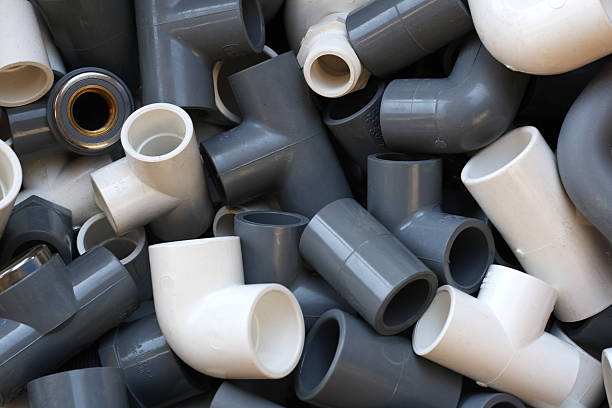
PVC pipes have become a standard material in plumbing, construction, and industrial systems. Among them, colored PVC pipe has attracted special attention in sales markets worldwide because of its ability to combine durability with functionality and easy identification. Different colors serve specific purposes, allowing industries to organize systems more efficiently, maintain safety, and create better management in projects. The rise in demand for colored PVC pipe also reflects broader trends in global sales, as industries prioritize both practicality and aesthetics. This article explores the definition, features, sales perspectives, applications, and common questions about colored PVC pipe.
Frequently Asked Questions (FAQ)
1. Why is colored PVC pipe popular in the sales market?
Colored PVC pipe has gained popularity because it helps buyers and industries easily identify different applications. For example, blue pipes may carry potable water, while green or purple pipes may indicate reclaimed water. This makes project planning and maintenance easier, which strongly influences purchasing decisions.
2. Is colored PVC pipe more expensive than standard white PVC pipe?
In many cases, colored PVC pipe may cost slightly more due to pigmentation and manufacturing processes. However, the price difference is often small compared to the benefits in organization, safety, and compliance with industry standards.
3. What industries are driving sales of colored PVC pipe?
The main industries include plumbing, irrigation, agriculture, electrical conduit systems, chemical processing, and construction. These sectors rely on color coding for system efficiency and compliance with safety regulations.
4. How does color affect the quality of PVC pipe?
The color itself does not reduce the durability or strength of PVC. The pipes remain resistant to corrosion, lightweight, and long-lasting. In fact, the addition of UV stabilizers and pigments can enhance performance in outdoor settings.
5. Where can buyers purchase colored PVC pipe?
Colored PVC pipes are widely available from industrial suppliers, plumbing wholesalers, construction material distributors, and international B2B sales platforms. Many brands, including IFAN and other global manufacturers, provide custom colors based on project needs.
Definition and Key Features of Colored PVC Pipe
Colored PVC pipe refers to polyvinyl chloride pipes manufactured with specific pigmentation to serve functional and organizational purposes. Unlike traditional white or gray PVC, colored versions allow industries to establish clear systems where each color represents a specific role.
The key features include:
- Color Coding for Identification
Different colors carry different meanings. For example, blue often indicates drinking water, green may represent sewage, red is used for fire sprinkler systems, and purple designates reclaimed water. - Durability and Strength
Colored PVC pipes maintain the same performance as regular PVC pipes. They resist corrosion, chemicals, and impact, making them reliable in industrial, residential, and agricultural systems. - UV Resistance
Certain colors and additives improve UV stability, which is useful for outdoor applications. This prevents fading and extends pipe life. - Lightweight and Easy Handling
Like all PVC products, colored pipes are lightweight and easy to transport, which reduces labor costs during sales and installation. - Compatibility with Fittings
Colored PVC pipes work with standard fittings, valves, and connectors, making them flexible and widely accepted across industries.
These features explain why sales of colored PVC pipe continue to grow globally, as industries value both functionality and convenience.
Common Uses and Application Industries
The versatility of colored PVC pipe makes it a product in high demand across various industries. Sales trends show that both large-scale projects and smaller businesses increasingly request specific colors for organization and compliance.
1. Plumbing Systems
In residential and commercial plumbing, colored PVC pipe helps contractors differentiate water lines, drainage pipes, and irrigation systems. This reduces confusion during installation and makes future repairs faster and safer.
2. Irrigation and Agriculture
Farmers use different colored PVC pipes to separate fresh water from recycled or treated water. This practice ensures compliance with health standards while improving farm efficiency. The irrigation industry has been a strong driver of colored PVC pipe sales.
3. Construction Industry
In large construction projects, colored PVC is used for underground systems, ventilation, and fire safety lines. Sales in this sector are significant because many regulations require clear color-coded systems.
4. Electrical and Conduit Systems
Colored PVC pipes are commonly used as electrical conduits, especially orange, red, or gray variations. This application ensures safe identification of electrical lines, reducing accidents during maintenance or construction.
5. Chemical and Industrial Processing
In industrial plants, where multiple fluids or gases are transported, colored PVC pipes play a vital role. They allow workers to identify lines instantly, improving safety and compliance with international standards.
6. Landscaping and Outdoor Projects
Landscape designers often prefer colored pipes for irrigation and decorative water systems. Green or brown pipes blend with natural surroundings, making them more attractive to buyers.
Sales Perspective and Market Impact
The sales of colored PVC pipe are directly tied to trends in urbanization, infrastructure development, and regulatory requirements. Buyers seek reliable products that meet international standards while also supporting project efficiency. Colored PVC pipe fulfills these needs by combining strength, low cost, and clear identification.
- Global Sales Growth
Sales data in recent years show steady growth in colored PVC pipe demand. Asia-Pacific, North America, and Europe are the leading markets, with emerging markets in Africa and South America showing increasing adoption. - B2B Market Opportunities
For distributors and manufacturers, colored PVC pipe presents strong opportunities in B2B sales. Large construction firms, municipal projects, and agricultural companies often purchase in bulk, driving wholesale demand. - Customization as a Sales Strategy
Manufacturers now offer custom coloring based on client needs. This flexibility makes colored PVC pipe even more attractive in the sales market, giving companies a competitive advantage. - Price Competitiveness
Although slightly higher in cost compared to plain PVC, the organizational benefits of colored PVC create long-term savings. Sales strategies often emphasize the reduced maintenance and safety improvements that colored systems provide. - Environmental Considerations
Sales also benefit from sustainable production and recycling efforts. Eco-conscious buyers prefer suppliers who provide environmentally friendly PVC options.
Conclusion
Colored PVC pipe has established itself as more than just a practical building material. Its impact on sales markets is clear, with demand steadily increasing across industries such as plumbing, agriculture, construction, and industrial processing. The ability to provide both durability and organization makes colored PVC pipe a product of choice for buyers worldwide. For sellers, the market offers strong opportunities in customization, bulk distribution, and global trade.
In summary, colored PVC pipe combines all the qualities that make PVC successful—strength, low weight, and versatility—while adding the important advantage of color-coded identification. As industries continue to prioritize safety, efficiency, and compliance, sales of colored PVC pipe are expected to grow even further in the coming years.
Contact IFAN for Catalogs and Samples
Need technical documents, catalogs, or sample products? Reach out to IFAN today.
📧 Email: [email protected]
📱 Whatsapp: +86 19857948982
Our team responds quickly and provides professional support for all your pipeline needs.
IFAN international standard
IFAN piping systems comply with a wide range of international standards to ensure high quality and performance. These include ASTM F1974 and ASTM F1281 for multilayer piping systems, CSA B137 for Canadian plumbing applications, DIN 16836 for German technical specifications, GB18997 for Chinese standards, and ISO 21003, which covers multilayer piping systems used for hot and cold water installations. This broad certification scope highlights IFAN’s commitment to global compliance and product reliability.























