


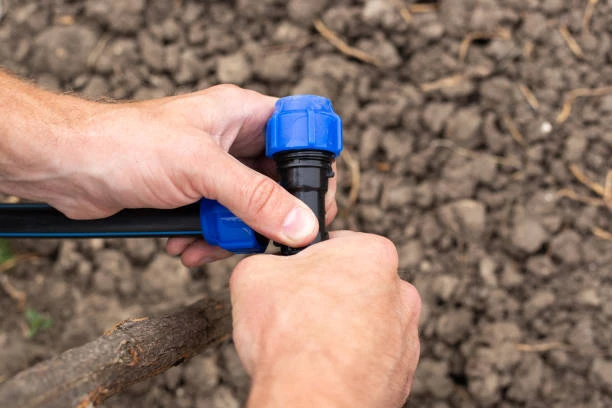
In the realm of modern construction and infrastructure, drainage systems play an essential role in maintaining sanitation, safety, and sustainability. However, the efficiency of a drainage system depends heavily on the materials used. Among various options available in the market, drainage HDPE (High-Density Polyethylene) pipe has become a standout choice, especially for its clog-resistant performance.
This article explores in detail the reasons why HDPE pipes are highly resistant to clogging, how this feature benefits long-term maintenance and operations, and why this characteristic makes HDPE the preferred choice in numerous drainage applications. Furthermore, we will delve into how this advantage contributes to cost savings, efficiency, and environmental sustainability.
Introduction to Drainage HDPE Pipe
Before diving into the specifics of its clog-resistant nature, it is important to understand what makes HDPE drainage pipe a popular solution. High-Density Polyethylene is a thermoplastic polymer known for its flexibility, chemical resistance, durability, and smooth interior surface.
These properties alone place HDPE above many traditional piping materials like concrete, clay, or even PVC. However, when it comes to preventing blockages, HDPE truly excels. Its unique characteristics result in fewer interruptions, reduced maintenance, and longer-lasting performance.
Smooth Interior Surface Reduces Friction
One of the most critical features of HDPE drainage pipe is its ultra-smooth inner wall. Unlike concrete or clay pipes, which tend to have rough surfaces that trap debris, HDPE’s smooth bore significantly reduces friction.
As water and waste flow through the pipe, the minimal surface resistance helps carry solid particles without obstruction. Consequently, the smooth interior prevents the accumulation of silt, sediment, and organic matter—common causes of clogs in traditional drainage systems.
Moreover, over time, rougher pipes become more abrasive, making them increasingly susceptible to blockages. In contrast, HDPE maintains its smoothness throughout its lifespan, ensuring continued resistance to clogs.
Excellent Chemical Resistance Prevents Scale Buildup
In many drainage systems, chemical deposits contribute heavily to clog formation. Substances such as calcium, grease, and industrial waste tend to build up on the inner walls of pipes, especially if the material reacts with these compounds.
Fortunately, HDPE is chemically inert. It does not react with the vast majority of corrosive or scaling agents found in wastewater. This chemical resistance means that even over decades, HDPE pipes are far less likely to accumulate internal buildup that could restrict flow or lead to complete blockage.
As a result, HDPE systems offer a more consistent and dependable drainage flow—ideal for residential, commercial, and industrial use alike.
Flexibility Helps Prevent Debris Traps
Another reason HDPE pipes resist clogging lies in their flexibility. Unlike rigid materials that may crack or misalign under pressure or shifting ground, HDPE can adapt to slight movements in the soil. This flexibility helps maintain proper slope and alignment, which are essential for efficient drainage.
Furthermore, because HDPE is available in long coils and continuous lengths, there are fewer joints and connection points—common areas where debris tends to collect. Fewer joints mean fewer opportunities for leaks, misalignments, or debris accumulation, all of which contribute to clog formation.
Seamless Connections Eliminate Leak Points
Traditional piping systems often rely on gaskets, adhesives, or mechanical fittings to connect individual pipe sections. Over time, these connections may weaken, leading to leaks, root intrusion, or misalignments that obstruct flow.
HDPE, by contrast, is typically joined using heat fusion. This method creates a monolithic pipeline—essentially one continuous piece without weak spots or seams. As a result, the chances of debris entering the system or collecting at imperfect joints are greatly reduced.
This seamless nature significantly contributes to HDPE’s clog-resistant advantage, making it the preferred choice for municipalities and industries seeking long-term reliability.
High Flow Capacity Reduces Obstruction Risk
Thanks to its smooth interior and uniform diameter, HDPE offers high flow capacity compared to many other pipe materials of the same size. This higher capacity ensures that even during peak flow times—such as during storms or industrial discharge—materials pass through without becoming trapped.
Furthermore, high flow velocity helps keep the pipe clean naturally. The water movement itself discourages debris from settling, effectively creating a self-cleaning system. This dynamic further reduces the likelihood of partial or complete blockages.
Resistant to Biological Growth
In addition to physical and chemical factors, biological agents such as roots, mold, and bacteria can cause blockages. Many traditional pipe materials support biofilm growth due to their porous surfaces or nutrient retention properties.
However, HDPE resists such growth effectively. Its non-porous surface and chemical inertness discourage bacteria from forming colonies. Also, the seamless fusion joints block root intrusion—another major cause of clogs in underground drainage systems.
Altogether, these features make HDPE a more hygienic and clog-resistant option in both residential and commercial drainage networks.
Low Maintenance Reduces Long-Term Operational Costs
Because HDPE drainage pipes rarely clog, they require significantly less maintenance than other piping systems. There is less need for routine cleaning, fewer emergency service calls, and minimal equipment downtime. Over the life of a system, these advantages translate into substantial cost savings.
Moreover, fewer clogs mean fewer disruptions. For businesses, this means reduced operational downtime. For municipalities, this means happier residents and lower repair budgets. Thus, the clog-resistant performance of HDPE is not only a technical advantage but a financial one as well.
Ideal for Stormwater and Wastewater Applications
HDPE’s clog-resistant properties make it especially well-suited for stormwater and wastewater management. These systems often deal with large volumes of debris, including leaves, sand, trash, and organic waste.
In such environments, clogging is a constant threat to system performance. However, HDPE’s smooth, seamless construction and chemical resistance allow these systems to operate reliably—even during extreme conditions.
Furthermore, HDPE is compatible with modern stormwater management techniques, including infiltration, detention, and retention systems, further broadening its application range.
Supports Sustainable Infrastructure
HDPE pipes’ clog-resistant nature also supports sustainability. Fewer blockages mean fewer emergency cleanouts, less need for harsh chemical treatments, and reduced use of water-jetting or rodding equipment.
This not only conserves resources but also reduces emissions and waste associated with maintenance activities. Furthermore, since HDPE is recyclable and long-lasting, its use aligns with green building standards and infrastructure sustainability goals.
Trenchless Installation Minimizes Disruption
Another factor that enhances HDPE’s performance is its compatibility with trenchless installation methods. Techniques such as directional drilling or slip-lining help install or repair pipes without extensive excavation.
Because HDPE is flexible and seamless, it can be pulled through existing pipelines or drilled pathways without breaking or misaligning. This preserves its internal smoothness and alignment—two key factors in maintaining a clog-free system.
Trenchless installation also minimizes surface disruption, making HDPE a preferred choice for urban environments where digging is impractical or expensive.
Versatility Across Applications
HDPE drainage pipe is not limited to one type of system. Its clog-resistant features make it ideal for a wide range of applications:
- Municipal storm drains
- Sanitary sewer systems
- Agricultural drainage
- Industrial waste discharge
- Residential greywater systems
- Landscape irrigation networks
This versatility allows contractors and engineers to standardize on one material, simplifying inventory, training, and system integration—all while maintaining resistance to blockages.
Lower Risk, Higher Reliability
Fewer clogs not only mean lower costs but also reduced risk. Backups and overflows from clogged pipes can lead to property damage, environmental harm, and even legal liability.
By investing in HDPE, project owners benefit from higher reliability and reduced exposure to risk. Whether it’s preventing flooding in an urban street or ensuring continuous operation in an industrial facility, HDPE offers peace of mind.
Supported by Industry Standards
HDPE drainage pipes are supported by a range of industry standards and certifications, such as ASTM, AWWA, and ISO. These standards ensure that the materials meet performance benchmarks, including resistance to clogging agents like debris, chemicals, and roots.
With regulatory backing and a growing body of successful installations worldwide, the clog-resistant performance of HDPE is well-documented and widely trusted.
Conclusion: A Smart Choice for Clean, Reliable Flow
In conclusion, drainage HDPE pipe stands out as a clog-resistant solution in modern infrastructure. Its smooth interior, seamless joints, chemical inertness, and flexible design combine to deliver unparalleled resistance to blockages.
These characteristics result in fewer maintenance interventions, lower operating costs, and more consistent system performance over time. Whether for residential, commercial, or industrial drainage systems, HDPE offers a durable and economical option that minimizes disruption and maximizes reliability.
As the demands on infrastructure continue to grow, selecting materials that offer long-term value is more important than ever. With its clog-resistant performance and proven track record, HDPE drainage pipe is clearly a wise and forward-thinking investment.
IFAN international standard
IFAN’s poly pipe products comply with a wide range of international standards to ensure quality, safety, and compatibility across global markets. These include ASTM D3035, ASTM D3350, the ISO 4427 series, EN 12201 series, DIN 8074/8075, GB/T 13663 series, AS/NZS 4130, JIS K6760, BS 6572, and CSA B137.1, among others. This comprehensive compliance reflects IFAN’s commitment to delivering reliable piping solutions that meet the diverse technical requirements of water supply, gas distribution, and industrial applications worldwide.
Contact
IFAN is a professional manufacturer with of experience, dedicated to producing high-quality plastic pipes, fittings, and valves. Our products include brass valves, PPR valves, as well as various pipes and fittings to meet different customer needs. Whether you need plumbing and drainage pipes or valve products, IFAN can provide a diverse range of high-quality, cost-effective products to support your projects. Below is our contact information.
We will reply your email or fax within 24 hours.
You can call us at any time if there is any question on our production.
For more information,pls visit our webside https://www.ifanplus.com/
Pls Mailto: [email protected]
Whatsapp: + 86 19857948982























