


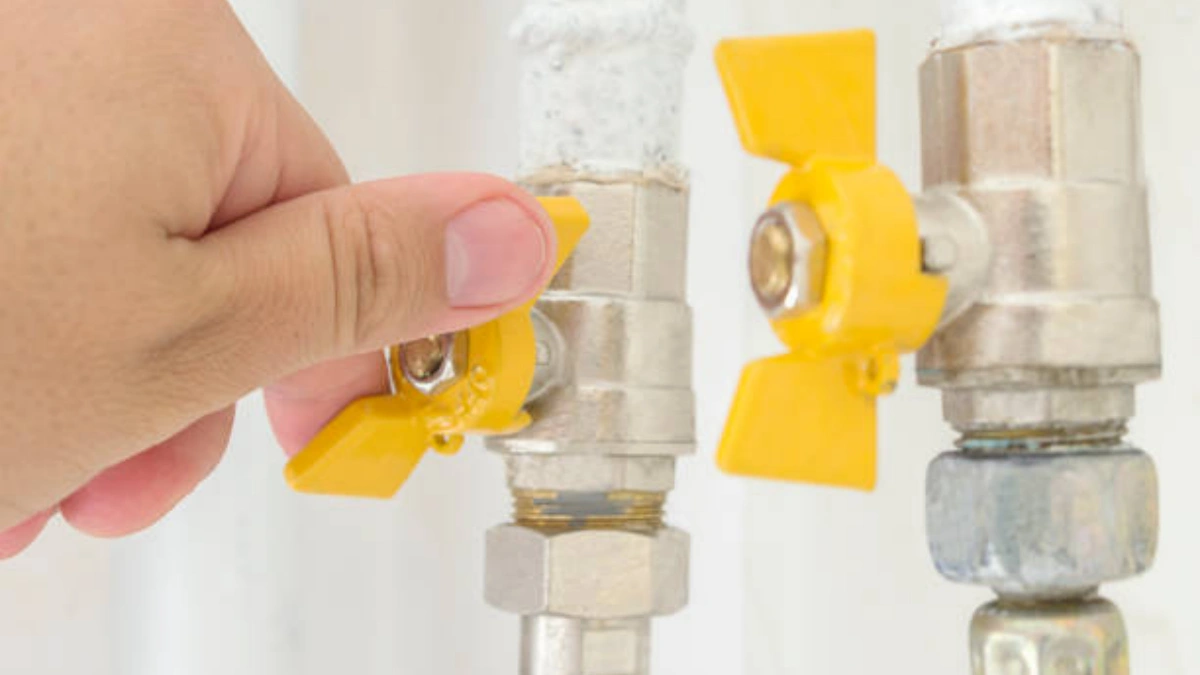
1. Understanding the Role of Air Valves
Air valves remove unwanted air from water systems. They allow air to escape while retaining water. Without proper venting, trapped air disrupts flow. It creates pressure fluctuations and reduces efficiency. In plumbing and HVAC, air valves protect system integrity. For example, heating systems need valves to avoid cold spots. In irrigation, air pockets damage pipes or equipment. Therefore, correct air valve use ensures smooth performance. These valves work automatically or manually. Choosing the right type depends on the application. Before selecting, understand how different valves function. This article helps you choose with confidence.
2. Types of Air Valves
You can choose from several air valve types. Automatic air release valves remove air continuously. They open when air collects at high points. Air/vacuum valves respond to system shutdowns. They let air in to prevent pipe collapse. Combination valves handle both release and intake. Manual air vents suit small, simple systems. Float-type valves operate based on internal float movement. These types serve various plumbing, heating, and water systems. For example, radiators often use manual bleed valves. Large pipelines require vacuum breakers. Each type offers unique advantages. Match valve function to system needs before buying.
3. Factors to Consider Before Choosing
First, check your system type and pressure levels. High-pressure systems need durable, corrosion-resistant valves. For low-pressure pipes, lightweight plastic valves work well. Next, measure flow rate and pipe size. Choose valves that fit without extra adapters. Location also affects valve selection. For outdoor systems, use UV-resistant materials. Indoor setups may need quiet-operation valves. Also, review maintenance requirements. Some valves need regular inspection. Others self-clean or include filters. Budget matters too. Brass valves cost more but last longer. Plastic options suit temporary or low-cost installations. Always balance quality with cost and ease of use.
4. Application-Specific Recommendations
Each system needs specific valve features. In residential plumbing, use air release valves near high points. These valves remove daily air buildup. In heating systems, install automatic bleed valves on radiators. They prevent cold zones and noise. Irrigation systems need air/vacuum valves. These protect lines from sudden shutdowns. Water tanks require float-operated air vents. In wastewater systems, use combination air valves to manage pressure. Industrial plants prefer stainless steel valves for durability. Always consult local codes for valve placement. In some regions, only certain types meet standards. Match your valve to system demand for best results.
5. Installation Guidelines
Correct installation improves valve performance. Place valves at system high points or air accumulation zones. Use appropriate fittings and sealants for leak prevention. Secure the valve upright for proper float function. If tilted, it may not close properly. For threaded valves, apply PTFE tape on joints. For press-fit models, follow manufacturer instructions. Always test the system after installing the valve. Look for leaks or hissing noises. If problems occur, reposition the valve or reseal threads. In large systems, install isolation valves for easier maintenance. These let you remove or service the air valve without draining the system.
6. Maintenance and Troubleshooting Tips
Check air valves regularly for performance. Look for signs of leakage or corrosion. Clean valves gently to remove debris. Use a soft cloth and mild soap. If a valve sticks open, inspect the float. Mineral buildup often causes sticking. In such cases, soak the valve in vinegar. For plastic models, avoid harsh cleaners. Cracks or discoloration may signal aging. Replace the valve if repairs don’t fix the issue. Keep spare parts on hand for quick fixes. In automated systems, log maintenance dates. This helps prevent sudden failures. Consistent care extends valve life and system health.
7. Common Mistakes to Avoid
Many users choose the wrong valve type. Always match valve function with system pressure. Don’t install air valves below water level. That location prevents proper air release. Some forget to bleed radiators regularly. This reduces heating efficiency. Others over-tighten valve fittings. That can damage threads and cause leaks. Avoid using incompatible materials. For example, don’t connect brass to aluminum without proper insulation. Failing to clean clogged valves leads to poor performance. Also, some users skip code checks. That may cause legal or safety issues. Avoid shortcuts to ensure long-term reliability.
8. Final Thoughts on Valve Selection
Choosing the right air valve protects your system. It improves efficiency and prevents damage. Study your system’s pressure, location, and flow. Match these needs with the correct valve type. Don’t just buy based on price or appearance. Instead, prioritize function, compatibility, and durability. Proper installation ensures maximum benefit. Regular checks help avoid unexpected failures. In the end, well-chosen valves support smooth operation. Whether at home or in industrial settings, smart choices make the difference. Choose wisely and enjoy trouble-free performance for years.
IFAN Product Standards Overview
IFAN manufactures products in full compliance with international and regional standards to meet diverse market requirements. Our product range adheres to specifications such as ISO 15874, EN 15874, ASTM F2389, DIN 8077/8078, GB/T 18742, and NBR 15884 for PPR systems. We also follow ISO 15494, EN ISO 15494, GB/T 19472, and NBR 15494 for industrial piping applications. Standards like ASTM D1785 SCH40/SCH80, DIN 8061/8062, ISO 1452, AS/NZS 1477, and NSF/ANSI 14 apply to our PVC systems. For HDPE and gas pipes, we comply with ISO 4437, EN 12201, ASTM D2513, ASTM D3035, and GB/T 13663. Stainless steel and composite piping products meet ASTM A312, ISO 10380, ASTM F1974, and ISO 21003. Other supported standards include CSA B137, BS 7291, JIS K6741, and TIS 17-2532/1131-2535. IFAN ensures reliable quality and compatibility by meeting these globally recognized specifications.
Contact
IFAN is a professional manufacturer with of experience, dedicated to producing high-quality plastic pipes, fittings, and valves. Our products include brass valves, PPR valves, as well as various pipes and fittings to meet different customer needs. Whether you need plumbing and drainage pipes or valve products, IFAN can provide a diverse range of high-quality, cost-effective products to support your projects. Below is our contact information.
We will reply your email or fax within 24 hours.
You can call us at any time if there is any question on our production.
For more information,pls visit our webside https://www.ifanplus.com/
Pls Mailto: [email protected]
Whatsapp: + 86 19857948982























