


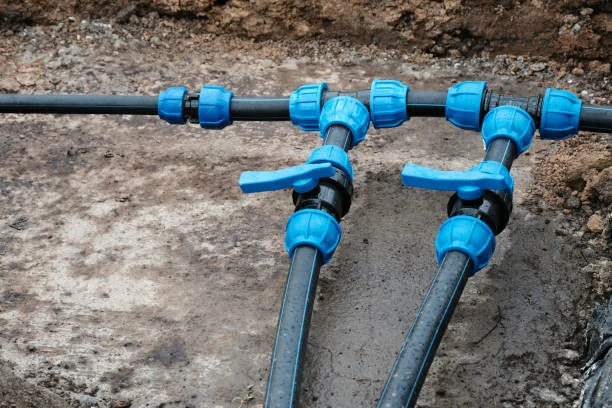
PE (Polyethylene) pipe fittings offer remarkable chemical properties that contribute to their versatility and widespread application in various industries. Understanding these chemical attributes is crucial for selecting the right materials for specific uses. This article delves into the chemical performance of PE pipe fittings, focusing on their molecular structure, resistance to chemical reactions, and environmental durability.
Molecular Structure and Strength
The foundation of PE pipe fittings lies in their molecular structure. Polyethylene consists of long chains of ethylene molecules, which form a stable thermoplastic polymer. This molecular configuration provides inherent flexibility and strength, making it suitable for high-stress applications.
The molecular weight and density of PE influence its chemical properties significantly. High-Density Polyethylene (HDPE) offers better resistance to chemical attack due to its tightly packed molecules. This quality makes HDPE an ideal choice for environments where the material faces exposure to aggressive chemicals, such as acids or alkalis. On the other hand, Low-Density Polyethylene (LDPE) exhibits greater flexibility but slightly lower chemical resistance, making it more suitable for less demanding conditions.
Resistance to Acids and Alkalis
PE pipe fittings excel in resisting a wide range of acids and alkalis. The non-polar nature of polyethylene prevents strong interactions with polar substances, enhancing its chemical stability. Acidic solutions, including hydrochloric acid and sulfuric acid, do not easily degrade the material. Similarly, PE fittings demonstrate excellent performance against alkaline substances, such as sodium hydroxide and potassium hydroxide.
This resistance ensures long-term functionality in industrial applications, including chemical processing plants and wastewater treatment facilities. PE pipe fittings maintain their structural integrity even under continuous exposure to corrosive substances, reducing the need for frequent replacements.
Resistance to Organic Solvents
Polyethylene’s resistance to organic solvents further broadens its application. PE pipe fittings withstand exposure to common solvents like alcohols, ethers, and certain hydrocarbons without swelling or losing their mechanical properties. However, prolonged exposure to strong aromatic and chlorinated solvents can cause slight softening, particularly in lower-density grades of polyethylene.
In general, PE fittings perform well in systems where organic solvents are present, such as pharmaceutical manufacturing or laboratory environments. Engineers often choose PE over alternative materials due to its superior resistance to solvent-based degradation.
Thermal Stability and Chemical Reactivity
PE pipe fittings demonstrate excellent thermal stability under normal operating temperatures, which directly impacts their chemical behavior. At elevated temperatures, some materials can lose resistance to chemical attack, but polyethylene remains robust within its recommended temperature range. This stability ensures consistent performance in environments where temperature fluctuations occur.
Moreover, PE exhibits minimal chemical reactivity, making it a safe option for transporting reactive substances. Its inert nature minimizes the risk of contamination, which is particularly important in applications involving food-grade materials or potable water systems.
Resistance to Oxidation
Oxidation presents a challenge in many polymeric materials, but PE pipe fittings counteract this issue effectively. The inclusion of antioxidants during the manufacturing process enhances their resistance to oxidative degradation. These antioxidants neutralize free radicals generated by heat, UV radiation, or chemical exposure, preventing material embrittlement over time.
The anti-oxidative properties of PE fittings ensure reliable performance in outdoor installations or systems exposed to oxidizing agents. Applications in agricultural irrigation systems and outdoor drainage pipelines benefit significantly from this feature.
Environmental Stress Cracking Resistance
PE pipe fittings resist environmental stress cracking (ESC), a failure mode caused by simultaneous exposure to mechanical stress and chemical agents. The unique molecular structure of polyethylene prevents the initiation and propagation of micro-cracks under stress.
This resistance makes PE fittings a preferred choice for high-pressure systems and chemical transport pipelines. By withstanding ESC, PE pipe fittings reduce the likelihood of leaks or system failures, ensuring operational reliability.
Hydrolysis Resistance
One of the most critical chemical properties of PE pipe fittings is their resistance to hydrolysis. Unlike some polymers that degrade when exposed to water, PE remains unaffected. This resistance ensures suitability for applications in water distribution systems, including potable water pipelines and irrigation networks.
PE fittings also resist biofilm formation, a common issue in water systems. This property enhances their chemical compatibility with cleaning agents and disinfectants used in pipeline maintenance.
UV Resistance and Stabilization
Though PE is naturally susceptible to UV degradation, manufacturers enhance its UV resistance by adding stabilizers and carbon black during production. These additives protect the polymer chains from breaking down under prolonged sunlight exposure, ensuring durability in outdoor applications.
UV-stabilized PE pipe fittings maintain their chemical properties and mechanical performance over extended periods, making them ideal for exposed installations. In agricultural or outdoor chemical transport systems, this stability minimizes the risk of material degradation caused by environmental factors.
Compatibility with Additives
PE pipe fittings exhibit excellent compatibility with various additives used to improve performance. These additives, including stabilizers, pigments, and flame retardants, integrate seamlessly into the polymer matrix without compromising chemical resistance.
The ability to incorporate additives enhances the chemical versatility of PE fittings, allowing customization for specific industrial or environmental needs. For instance, flame-retardant additives enable their use in safety-critical environments, while anti-static additives improve performance in handling flammable gases or liquids.
Long-Term Chemical Durability
The long-term chemical durability of PE pipe fittings ensures cost-effectiveness and reliability. Unlike metals or other materials that corrode or degrade over time, PE retains its chemical integrity for decades. This longevity reduces maintenance requirements and operational downtime, particularly in chemically aggressive environments.
Applications such as chemical storage systems, waste transport pipelines, and industrial process lines benefit from the extended lifespan of PE fittings. By maintaining their chemical properties over time, these fittings offer a sustainable solution for demanding applications.
Conclusion
PE pipe fittings stand out due to their exceptional chemical properties, including resistance to acids, alkalis, organic solvents, and oxidation. Their thermal stability, hydrolysis resistance, and environmental stress cracking resistance further enhance their performance in diverse applications. By incorporating UV stabilizers and compatible additives, PE fittings become even more versatile, catering to specific industry needs.
The inherent chemical stability and durability of PE pipe fittings make them an indispensable choice for industries requiring reliable and long-lasting pipeline solutions. Their ability to withstand harsh chemical environments without degradation ensures consistent performance and operational efficiency. For anyone seeking dependable and chemically resilient pipeline components, PE pipe fittings offer unparalleled advantages.
Top HDPE pipe Fitting Suppliers
| Company Name | Headquarter/Location | Year Founded |
| IFAN | ZhuJi,China | 1993 |
| Celanese Corporation | Irving, Texas, in the United States | 1921 |
| Dow | Midland, Michigan, in the United States | 1897 |
| JM Eagle | Livingston, New Jersey | 1982 |
| Cresline Plastic Pipe Co inc | Mechanicsburg, Pennsylvania, Council Bluffs, Iowa, Corsicana, Texas | 1949 |
IFAN international standard
IFAN adheres to a wide range of international standards for HDPE pipes and fittings to ensure quality, reliability, and compatibility across various applications. These standards include ASTM D3035, ASTM D3350, ISO 4427 series, EN 12201 series, DIN 8074/8075, GB/T 13663 series, AS/NZS 4130, JIS K6760, BS 6572, and CSA B137.1, among others. By complying with these globally recognized standards, IFAN ensures that its products meet the requirements for performance, durability, and safety across diverse industries and markets.
Contact
IFAN is a professional manufacturer with of experience, dedicated to producing high-quality plastic pipes, fittings, and valves. Our products include brass valves, PPR valves, as well as various pipes and fittings to meet different customer needs. Whether you need plumbing and drainage pipes or valve products, IFAN can provide a diverse range of high-quality, cost-effective products to support your projects. Below is our contact information.
We will reply your email or fax within 24 hours.
You can call us at any time if there is any question on our production.
For more information,pls visit our webside https://www.ifanplus.com/
Pls Mailto: [email protected]
Whatsapp: + 86 19857948982























