


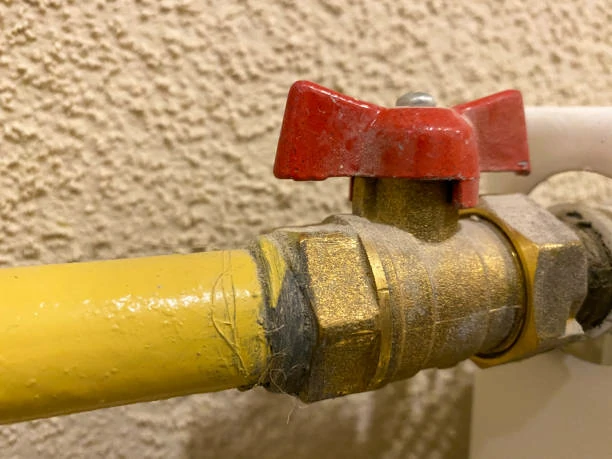
Brass water valves are a staple in residential, industrial, and commercial plumbing systems due to their durability, corrosion resistance, and excellent performance. However, in addition to their practical benefits, brass water valves also hold significant advantages from an environmental perspective. In today’s world, where sustainability is becoming increasingly important, understanding the eco-friendly characteristics of brass water valves is crucial. This article delves into the environmental aspects of brass as a material, the life cycle of brass water valves, and how they contribute to sustainability across various industries.
The Eco-Friendly Nature of Brass as a Material
Brass, an alloy primarily composed of copper and zinc, stands out for its inherent eco-friendly qualities. These qualities stem from its recyclability, durability, and efficiency in manufacturing.
One of the most remarkable environmental advantages of brass is its recyclability. Unlike many other materials, brass can be recycled indefinitely without losing its inherent properties. This means that old or discarded brass products, including water valves, can be melted down and reused to create new products. This closed-loop recycling process significantly reduces the need for mining raw materials, such as copper and zinc, which in turn minimizes the environmental footprint of the manufacturing industry.
Moreover, brass recycling is highly efficient. Recycled brass consumes significantly less energy compared to producing new brass from raw materials. Studies show that recycling brass uses up to 90% less energy than primary production, making it an environmentally responsible choice. This characteristic also aligns with global efforts to reduce greenhouse gas emissions and combat climate change.
Brass is an extremely durable material, which contributes to its environmental sustainability. Brass water valves can last for decades without significant degradation, even when exposed to harsh conditions such as moisture, temperature fluctuations, and mechanical stress. This longevity reduces the frequency of replacements and repairs, which, in turn, minimizes waste generation.
Brass is a safe material for water systems, including those that deliver drinking water. Unlike some materials that may leach harmful chemicals into the water supply, brass is non-toxic and does not pose risks to human health or the environment. Modern brass formulations are often lead-free or low-lead, meeting stringent safety and environmental standards set by regulatory bodies.
This safety aspect not only protects consumers but also ensures that brass water valves do not contribute to water pollution or contamination. In this way, brass supports clean water initiatives, which are a fundamental part of sustainable development goals worldwide.
The Environmental Benefits of Brass Water Valves in Manufacturing
The production process for brass water valves is another area where environmental benefits come into play. Brass is a highly machinable material, which means it can be shaped and formed with relatively low energy consumption compared to other metals. This efficiency in manufacturing results in a smaller carbon footprint.
Because brass is softer than materials like steel, less energy is required for cutting, molding, and shaping it into water valves. This reduces the energy consumption during the manufacturing process, making brass valves a more sustainable option. Additionally, the scrap generated during manufacturing can be easily recycled and reused, further minimizing waste.
While the mining of copper and zinc, the primary components of brass, does have an environmental impact, this impact is mitigated by the high recyclability of brass. The widespread recycling of brass reduces the demand for newly mined materials, which in turn decreases the environmental degradation associated with mining activities.
Moreover, advancements in mining technologies and practices have also helped minimize the ecological footprint of extracting raw materials for brass production. These improvements, combined with the recycling of brass, create a more sustainable supply chain for brass water valves.
Sustainability Across the Life Cycle of Brass Water Valves
To fully understand the environmental sustainability of brass water valves, it is important to consider their entire life cycle—from raw material extraction and manufacturing to use, maintenance, and end-of-life disposal or recycling.
Brass is primarily composed of copper and zinc, which are mined from the earth. Although mining can have environmental consequences, the high recyclability of brass offsets much of this impact. The demand for virgin raw materials is significantly reduced because a large percentage of the brass used today is derived from recycled sources.
The production of brass water valves involves shaping and machining brass into the desired form. As brass is highly machinable, this process requires less energy compared to harder metals, resulting in reduced emissions. Additionally, manufacturing facilities often incorporate advanced technologies to capture and reuse metal shavings and scraps, ensuring minimal material wastage.
During their use phase, brass water valves contribute to environmental sustainability in several ways. First, their durability ensures that they require minimal maintenance or replacement, reducing material and energy consumption over time. Second, brass valves maintain their functionality and efficiency, which helps minimize water waste in plumbing systems. This is especially important in regions facing water scarcity.
At the end of their life cycle, brass water valves can be fully recycled. Unlike some materials that degrade in quality during recycling, brass retains its properties, allowing it to be reused indefinitely. This eliminates the need for disposal in landfills, where non-recyclable materials can contribute to environmental pollution. Instead, old brass valves are melted down and reformed into new products, completing the circular economy for brass.
Comparing Brass to Alternative Materials
Brass water valves are often compared to those made of other materials, such as plastic, stainless steel, or bronze. From an environmental perspective, brass offers several advantages over these alternatives.
Plastic valves are lightweight and inexpensive, but they have significant environmental drawbacks. Plastic production is energy-intensive, and plastics are derived from non-renewable fossil fuels. Additionally, plastic is not biodegradable and often ends up in landfills or polluting ecosystems.
In contrast, brass is fully recyclable and has a much longer lifespan. Choosing brass water valves over plastic ones reduces waste and supports a more sustainable plumbing system.
Stainless steel is another common material for water valves, known for its strength and resistance to corrosion. However, the production of stainless steel requires significantly more energy compared to brass, resulting in a higher carbon footprint. Furthermore, stainless steel is more difficult to recycle, and its machining process generates more waste.
Brass, with its lower energy requirements and easier recyclability, is a more eco-friendly choice for water valves.
Bronze is similar to brass in many respects and is also recyclable. However, brass has a lower melting point, making it more energy-efficient to produce and recycle. Additionally, brass is generally more machinable than bronze, reducing energy consumption during manufacturing.
The Role of Brass Water Valves in a Circular Economy
A circular economy aims to minimize waste and make the most of resources by keeping products, materials, and components in use for as long as possible. Brass water valves align perfectly with this concept due to their recyclability and long lifespan.
By recycling old brass valves into new products, manufacturers reduce the demand for virgin raw materials and minimize waste generation. This closed-loop system conserves natural resources and significantly lowers the environmental impact of brass valve production.
Additionally, the durability of brass valves ensures they remain in use for decades, further reducing the need for frequent replacements and the associated environmental costs.
Brass Water Valves and Modern Sustainability Goals
In today’s world, sustainability is a key consideration in every industry. Brass water valves support several global sustainability goals, including responsible consumption and production, clean water and sanitation, climate action, and the preservation of life below water.
Brass valves contribute to more sustainable production processes through energy efficiency, recyclability, and reduced material waste. The low energy requirements for recycling brass and its long lifespan help reduce greenhouse gas emissions, supporting efforts to mitigate climate change. By avoiding the use of plastics and other non-biodegradable materials, brass valves help prevent pollution in aquatic ecosystems.
Conclusion
Brass water valves are not only durable and functional but also environmentally sustainable. Their high recyclability, energy-efficient production, and long lifespan make them an eco-friendly choice for plumbing systems. By choosing brass over alternative materials, industries and consumers can reduce waste, conserve resources, and contribute to a circular economy.
In a world increasingly focused on sustainability, brass water valves stand out as a responsible and practical solution. Their ability to align with modern environmental goals ensures that they will remain a cornerstone of sustainable plumbing and fluid control systems for years to come.
IFAN international standard
IFAN products comply with a wide range of international standards, ensuring their quality, reliability, and suitability for various applications across the globe. These standards include ASTM D3035, ASTM D3350, ISO 4427 Series standards, EN 12201 Series standards, DIN 8074/8075, GB/T 13663 Series standards, AS/NZS 4130, JIS K6760, BS 6572, and CSA B137.1, among others. Adherence to these standards guarantees that IFAN products meet the stringent requirements for safety, performance, and durability in diverse industries and markets.
Contact
IFAN is a professional manufacturer with of experience, dedicated to producing high-quality plastic pipes, fittings, and valves. Our products include brass valves, PPR valves, as well as various pipes and fittings to meet different customer needs. Whether you need plumbing and drainage pipes or valve products, IFAN can provide a diverse range of high-quality, cost-effective products to support your projects. Below is our contact information.
We will reply your email or fax within 24 hours.
You can call us at any time if there is any question on our production.
For more information,pls visit our webside https://www.ifanplus.com/
Pls Mailto: [email protected]
Whatsapp: + 86 19857948982























