


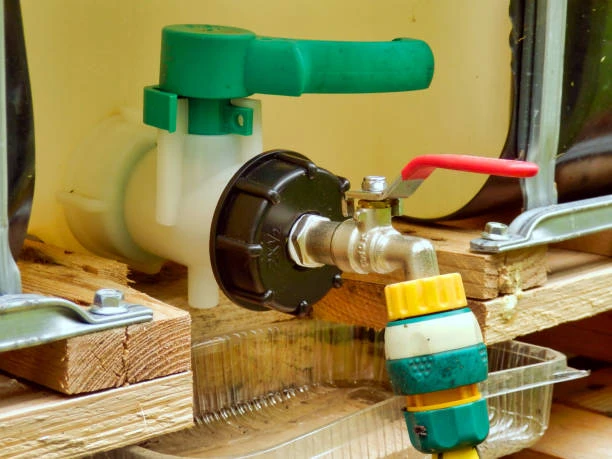
The brass shut off valve stands out as one of the most reliable and widely used components in modern plumbing systems. Its compact size and unmatched durability make it ideal for both residential and commercial applications. Whether you’re dealing with water, gas, or other fluids, a brass shut off valve ensures safety, control, and long-term performance. In this guide, we’ll explore everything you need to know about this essential plumbing device—from its functions and features to buying tips and comparisons with other materials.
Frequently Asked Questions (FAQ)
1. What is a brass shut off valve used for?
It helps control the flow of water or gas in a plumbing system by allowing users to quickly turn the supply on or off.
2. Are brass shut off valves safe for potable water?
Yes. Certified lead-free brass valves are safe and approved for drinking water systems.
3. Where are brass shut off valves usually installed?
You can find them under sinks, behind toilets, near water heaters, in irrigation systems, and in HVAC units.
4. How long does a brass shut off valve last?
A high-quality valve can last over 20 years with proper installation and minimal maintenance.
5. Can I install a brass shut off valve myself?
Yes. Most types are DIY-friendly, especially compression and push-fit models. However, ensure compatibility with your pipe material.
Definition and Key Features of Brass Shut Off Valves
A brass shut off valve is a mechanical device used to stop or control the flow of fluids in a piping system. Crafted from a copper-zinc alloy, it offers strength, corrosion resistance, and thermal stability. Its design varies depending on the application, but its purpose remains the same—improving flow control and safety.
Key features include:
- Compact design: Easy to install even in tight or awkward spaces.
- Strong corrosion resistance: Brass handles exposure to water, air, and chemicals better than many metals.
- High-pressure and temperature tolerance: Ideal for both hot and cold water systems.
- Multiple configurations: Available in ball, gate, angle, and straight types.
- Compatibility with multiple pipe materials: Suitable for copper, CPVC, PEX, and galvanized systems.
Thanks to these features, brass shut off valves have become a staple in both household and industrial plumbing.
Common Uses and Industries
The versatility of brass shut off valves makes them popular across a wide range of industries. Their ability to withstand harsh conditions and frequent use is one of their biggest advantages.
Residential Applications
In homes, these valves are installed under sinks, near water heaters, and behind appliances like dishwashers and washing machines. Their compact design helps homeowners control water flow quickly during maintenance or emergencies.
Commercial and Institutional Buildings
Schools, hospitals, and office complexes use brass shut off valves in bathrooms, kitchens, and utility areas. Facility managers appreciate their reliability and longevity, especially in high-traffic locations.
HVAC Systems
Heating and cooling systems often include shut off valves to isolate sections for servicing. Brass handles both hot and cold flows with ease, making it the preferred choice in HVAC applications.
Irrigation and Landscaping
Because brass resists corrosion and weather exposure, it performs well in outdoor environments like garden irrigation and agricultural water systems.
Industrial Facilities
In manufacturing plants and process control systems, brass shut off valves help manage water, gas, and other non-corrosive fluids under pressure.
Clearly, the brass shut off valve proves itself useful wherever durable, compact, and controllable fluid flow is required.
Buying Guide: Choosing the Right Brass Shut Off Valve
Selecting the right brass shut off valve involves more than just picking a size. You’ll need to consider the material quality, connection type, certifications, and intended use. Here’s a quick guide to help with the decision.
Material and Certification
Ensure the valve is made of solid brass, not brass-plated or mixed with zinc alloy. For drinking water, look for NSF, ANSI, or CSA certifications to confirm lead-free compliance.
Valve Type
- Ball valve: Ideal for quick shutoff with a quarter-turn handle.
- Gate valve: Best for gradual flow control, though less common today.
- Angle valve: Great for tight spaces like behind toilets or under sinks.
- Straight valve: Perfect for inline installations with no directional changes.
Connection Style
- Compression: Suits copper piping. Easy to install and reliable.
- Threaded (NPT): Common for metal-to-metal connections.
- Push-to-connect: Ideal for DIYers working with PEX or CPVC.
Handle Type
Lever handles are easier to operate and provide clear open/closed indications. Knob handles are more compact but may require more force to turn.
Size and Flow Rate
Match the valve’s diameter to your pipe size. For most homes, 1/2 inch or 3/4 inch valves are standard.
Choosing the right configuration ensures the valve will meet your needs while minimizing the chance of future issues.
Durability: Built to Last
One of the main reasons professionals prefer brass shut off valves is their outstanding durability. Unlike plastic or low-cost alloys, brass stands up to both mechanical stress and environmental exposure.
- Long service life: With proper use, brass valves often last more than two decades.
- Resistant to scale and buildup: Minerals in hard water rarely cause blockages inside brass valves.
- Temperature stable: Brass doesn’t become brittle in the cold or soft in the heat.
- Minimal maintenance: Once installed, most valves require little attention apart from periodic turning to prevent seizing.
These benefits make brass an ideal material for areas where long-term reliability is a must.
Brass Shut Off Valve vs. Other Materials
Professionals often compare brass valves with alternatives like plastic, zinc alloy, and stainless steel. The table below highlights the most important differences:
| Feature | Brass Valve | Plastic Valve | Zinc Alloy Valve | Stainless Steel Valve |
|---|---|---|---|---|
| Durability | Excellent | Low | Moderate | Excellent |
| Corrosion Resistance | High | Moderate | Low | Very High |
| Temperature Tolerance | High | Low | Moderate | High |
| Installation Ease | Easy | Very Easy | Easy | Moderate |
| Lifespan | 20+ years | 5–10 years | 10–15 years | 25+ years |
| Cost | Moderate | Low | Low | High |
| Ideal Use | Universal | Light-duty indoor use | Temporary installations | Industrial, marine systems |
As the comparison shows, brass offers the best balance between cost and performance for both general and specialized plumbing needs.
Conclusion
The brass shut off valve remains a compact and durable solution trusted by homeowners and professionals alike. With its robust construction, high resistance to wear, and suitability for a wide range of environments, it outperforms many other materials on the market. Whether you’re installing a new bathroom sink, upgrading an irrigation line, or managing an HVAC system, brass valves provide the control and reliability you need.
Moreover, their ease of installation and low maintenance make them a cost-effective choice over the long term. When chosen with care and installed correctly, brass shut off valves will serve any system well for decades to come.
In the end, for compact size and long-lasting durability, few plumbing components can match the performance of the brass shut off valve.
Contact IFAN for Catalogs and Samples
Need technical documents, catalogs, or sample products? Reach out to IFAN today.
📧 Email: [email protected]
📱 Whatsapp: +86 19857948982
Our team responds quickly and provides professional support for all your pipeline needs.
IFAN international standard
IFAN piping systems comply with a wide range of international standards to ensure high quality and performance. These include ASTM F1974 and ASTM F1281 for multilayer piping systems, CSA B137 for Canadian plumbing applications, DIN 16836 for German technical specifications, GB18997 for Chinese standards, and ISO 21003, which covers multilayer piping systems used for hot and cold water installations. This broad certification scope highlights IFAN’s commitment to global compliance and product reliability.























