


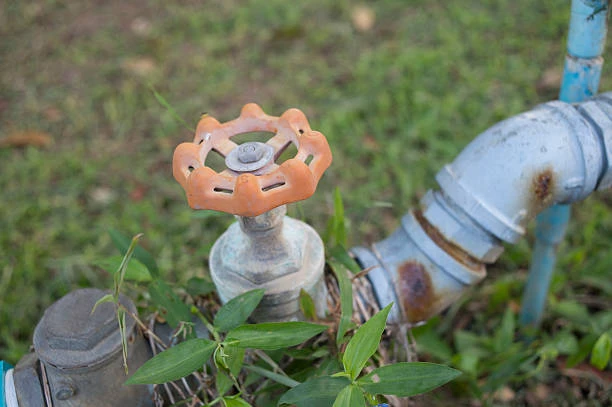
Brass gate valves play a critical role in managing fluid flow in residential, commercial, and industrial systems. Known for their durability, resistance to corrosion, and precise control capabilities, these valves have earned a reputation as a reliable choice for both water and gas distribution systems. This article explores the essentials of brass gate valves, including their features, common uses, selection tips, comparisons with other materials, and answers to frequently asked questions. Whether you’re a homeowner, installer, or procurement manager, understanding this valve will help you make better decisions for long-term flow control performance.
Frequently Asked Questions (FAQ)
1. What is a brass gate valve used for?
A brass gate valve controls the on/off flow of water, gas, or oil in piping systems. It works best in fully open or closed positions.
2. Can brass gate valves be used for hot water?
Yes, brass is thermally stable and corrosion-resistant, making it suitable for hot water applications in plumbing and heating systems.
3. Are brass gate valves suitable for outdoor use?
They are. Brass naturally resists rust and corrosion, which makes these valves a good choice for outdoor plumbing installations.
4. What is the difference between a gate valve and a ball valve?
A gate valve uses a flat gate to stop or allow flow, offering smoother flow control. A ball valve uses a rotating ball and is quicker to operate.
5. How long do brass gate valves last?
With proper maintenance, a brass gate valve can last 10 to 20 years or even longer, depending on usage conditions and water quality.
What Is a Brass Gate Valve?
A brass gate valve is a manually operated valve used to control fluid flow by raising or lowering a metal gate inside the valve body. When the gate is fully lowered, it blocks the flow. When raised, it allows fluid to pass through. This valve is primarily used to isolate sections of a pipeline or shut off flow entirely.
Brass, an alloy made of copper and zinc, is a preferred material for plumbing due to its resistance to corrosion and moderate cost. The gate design in the valve ensures minimal pressure drop when fully open and tight shutoff when closed.
Key Characteristics of Brass Gate Valves
Material Strength: Brass is strong enough for high-pressure systems without becoming brittle over time.
Corrosion Resistance: Brass resists rusting and mineral build-up better than iron or steel.
Smooth Flow Control: Gate movement allows gradual and even flow regulation, unlike quick shutoff valves.
Versatility: Compatible with water, air, oil, and non-aggressive chemicals.
Temperature Tolerance: Brass handles a wide range of temperatures, typically from -20°C to 120°C.
Thanks to these traits, brass gate valves serve as a dependable component in various pipeline networks.
Common Applications and Industries
Brass gate valves are versatile and serve a broad range of sectors. Their reliability and cost-effectiveness make them ideal for multiple installations. Let’s explore the most common uses.
Residential Plumbing
In homes, brass gate valves are commonly used to shut off water supply to sinks, toilets, and outdoor faucets. They’re also found on main water lines for emergency isolation purposes.
HVAC Systems
Heating and cooling systems often require valves to manage water or refrigerant flow. Brass gate valves help maintain control and balance in these complex systems.
Irrigation and Agriculture
Farmers and landscapers rely on brass gate valves to regulate water flow in irrigation networks. The valves help reduce water waste and provide efficient control in field systems.
Industrial Pipelines
Factories use brass gate valves in low- to medium-pressure systems carrying air, oil, or water. The valves are easy to maintain, which reduces system downtime.
Marine Applications
Because of their corrosion resistance, brass gate valves are also used in boats and marine plumbing, especially for bilge and freshwater systems.
In every case, these valves offer a consistent and reliable method to control flow under various environmental conditions.
How to Choose the Right Brass Gate Valve
Selecting the right brass gate valve ensures performance, durability, and safety. Buyers should pay close attention to the following aspects.
Material Quality
Not all brass is the same. Choose valves made from high-quality brass with minimal lead content. Look for labeling like “lead-free” or “low-lead” for potable water use.
Valve Size
Brass gate valves come in sizes ranging from ½ inch to 2 inches or more. The size should match your pipeline to avoid flow restriction or leakage.
Thread Type
Choose between NPT (National Pipe Thread), BSP (British Standard Pipe), or compression fittings depending on your local pipe standards.
Valve Stem Type
There are rising and non-rising stem gate valves. Rising stem valves provide a visible indication of the valve’s open or closed status, which is ideal for regulated systems.
Certification and Standards
Ensure the valve complies with industry standards such as ANSI, ISO, or NSF, especially if used in drinking water systems.
Handle Design
The handle should be ergonomically designed and rust-resistant. Look for zinc-plated or powder-coated handles for better grip and longevity.
Color and Finish
While function matters more than aesthetics, certain applications require specific finishes or coatings for visibility, compatibility, or environmental resistance.
By evaluating these factors, you can choose a valve that performs efficiently and lasts longer with minimal maintenance.
Brass Gate Valve vs. Other Valve Materials
Understanding how brass compares with other materials like PVC, stainless steel, and cast iron can help in selecting the best valve for your needs.
| Feature | Brass Gate Valve | PVC Valve | Stainless Steel Valve | Cast Iron Valve |
|---|---|---|---|---|
| Durability | High | Moderate | Very High | High |
| Corrosion Resistance | Excellent | Excellent | Excellent | Moderate |
| Cost | Moderate | Low | High | Moderate |
| Temperature Resistance | High | Low | Very High | High |
| Pressure Rating | Medium-High | Low | High | High |
| Weight | Medium | Light | Heavy | Very Heavy |
| Application Range | Broad | Water only | Industrial/Harsh Use | Heavy Industry |
From this comparison, it’s clear that brass gate valves offer a balance between performance and cost. They provide better resistance and reliability than plastic valves while being more economical than stainless steel options.
Based on the Title: Durable and Reliable Flow Control
The durability of a brass gate valve lies in the strength of its material and the simplicity of its design. Brass doesn’t corrode easily, and the gate mechanism has fewer wear points than other valve types. This makes it ideal for long-term installations where reliability is key.
Furthermore, brass valves are known for their ability to maintain performance over time, even in systems with variable pressure or temperature. They close tightly and open smoothly, reducing the risk of leaks or flow inconsistency. Whether installed in an urban home, a factory, or a farm, the valve ensures uninterrupted operation, saving money and effort on repairs or replacements.
Conclusion
Brass gate valves offer a proven solution for flow control in diverse applications. Thanks to their strength, corrosion resistance, and broad compatibility with various fluids, they continue to be a popular choice across residential, industrial, and agricultural sectors.
To make the most of a brass gate valve, always consider factors like valve size, stem design, material quality, and certification. Compared to other types like PVC or cast iron, brass strikes the perfect balance between performance, durability, and affordability.
In summary, when you need a valve that performs consistently, withstands tough conditions, and lasts for years, a brass gate valve is a smart and dependable investment. Reliable flow control begins with choosing the right valve — and brass delivers exactly that.
Contact IFAN for Catalogs and Samples
Need technical documents, catalogs, or sample products? Reach out to IFAN today.
📧 Email: [email protected]
📱 Whatsapp: +86 19857948982
Our team responds quickly and provides professional support for all your pipeline needs.
IFAN international standard
IFAN piping systems comply with a wide range of international standards to ensure high quality and performance. These include ASTM F1974 and ASTM F1281 for multilayer piping systems, CSA B137 for Canadian plumbing applications, DIN 16836 for German technical specifications, GB18997 for Chinese standards, and ISO 21003, which covers multilayer piping systems used for hot and cold water installations. This broad certification scope highlights IFAN’s commitment to global compliance and product reliability.























