


Introduction
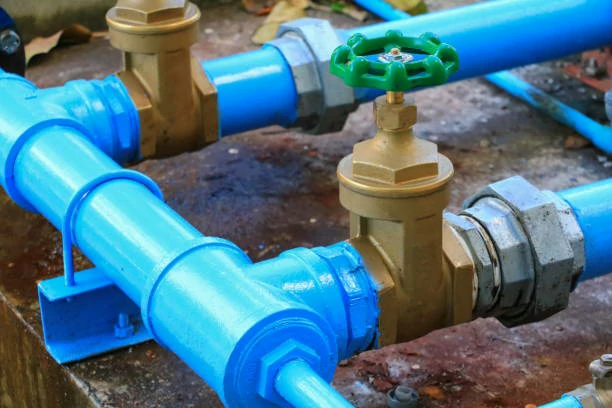
Seawater desalination provides fresh water to regions facing water shortages. Many coastal areas rely on desalination plants to maintain a stable water supply. Engineers design these facilities to withstand harsh marine conditions, requiring durable and corrosion-resistant components. Brass ball valves control fluid flow, regulate pressure, and ensure efficient operation in desalination systems. Their strength, resistance to seawater corrosion, and cost-effectiveness make them an ideal choice.
This article explores the role of brass ball valves in desalination projects, highlighting their benefits, material properties, and specific applications. It also examines selection criteria, maintenance strategies, and long-term performance.
Material Advantages of Brass Ball Valves
Manufacturers use a combination of copper and zinc to produce brass, creating an alloy that resists corrosion while maintaining mechanical strength. Several characteristics make brass suitable for seawater desalination applications.
- Corrosion Resistance
- Brass prevents dezincification, a common issue in marine environments, by incorporating small amounts of arsenic or tin.
- A protective oxide layer forms on brass surfaces, reducing the impact of saltwater exposure.
- Unlike iron-based materials, brass does not rust or degrade rapidly in saline conditions.
- Mechanical Strength
- Brass withstands high-pressure conditions without deformation, ensuring consistent operation.
- The alloy’s ductility allows manufacturers to create precise valve components with reliable sealing properties.
- Thermal Stability
- Seawater desalination involves fluctuating temperatures, requiring materials that can handle thermal expansion and contraction.
- Brass maintains its structure and sealing integrity even under extreme temperature variations.
- Cost-Effectiveness
- Compared to stainless steel or alloys, brass provides an optimal balance between durability and affordability.
- The ease of machining reduces production costs, making brass ball valves a preferred option in large-scale desalination projects.
Applications in Seawater Desalination
Brass ball valves perform critical functions in seawater desalination systems, ensuring efficient water processing and system stability.
1. Seawater Intake Systems
- Intake structures allow seawater to enter desalination facilities.
- Brass ball valves control the flow rate, preventing excessive water intake and protecting pumps from overload.
- Their corrosion-resistant properties enable direct contact with raw seawater.
2. Pre-Treatment Stages
- Desalination systems remove suspended solids and biological contaminants before processing seawater.
- Brass ball valves regulate the backwashing process in sand filters, ensuring effective filtration.
- These valves also control chemical dosing for pH adjustment and scaling prevention.
3. High-Pressure Pumps and Reverse Osmosis (RO) Systems
- Desalination plants use high-pressure pumps to force seawater through membranes, separating salt and impurities.
- Brass ball valves isolate and regulate high-pressure flow, ensuring stable operation.
- Their reliable sealing prevents leaks, optimizing system efficiency and reducing energy consumption.
4. Brine Discharge and Wastewater Management
- The desalination process generates concentrated brine, which requires proper disposal.
- Brass ball valves regulate brine discharge, controlling the flow rate and ensuring compliance with environmental regulations.
- Their resistance to highly saline wastewater extends their service life in brine-handling systems.
5. Post-Treatment and Freshwater Distribution
- Treated water undergoes re-mineralization before distribution to municipal or industrial consumers.
- Brass ball valves manage flow rates in chemical dosing units, ensuring consistent water quality.
- Their smooth operation supports stable pressure levels in distribution pipelines.
Key Factors in Valve Selection
Engineers consider multiple factors when choosing brass ball valves for desalination applications.
- Alloy Composition
- Some brass grades contain higher copper content, enhancing corrosion resistance.
- Dezincification-resistant brass (DZR) improves long-term performance in seawater environments.
- Valve Size and Pressure Rating
- Different desalination stages require specific valve sizes and pressure capacities.
- Selecting the correct size prevents flow restrictions and pressure losses.
- Seal and Seat Materials
- PTFE (Teflon) or EPDM seals enhance chemical resistance and maintain leak-proof performance.
- Proper seat materials prevent degradation in saline and chemically treated water.
- Actuation Mechanism
- Manual, pneumatic, or electric actuators improve valve control in automated systems.
- Remote actuation increases safety in high-pressure operations.
- Ease of Maintenance
- Valves with simple disassembly features enable quick inspections and repairs.
- Replaceable seals extend service life and reduce operational downtime.
Maintenance and Longevity
Regular maintenance ensures the long-term reliability of brass ball valves in desalination systems.
- Routine Inspections
- Engineers examine valve components for corrosion, leaks, or mineral buildup.
- Early detection of potential issues prevents costly repairs and system failures.
- Flushing and Cleaning
- Flushing removes accumulated salt deposits, maintaining smooth valve operation.
- Cleaning prevents scaling, which can affect flow control efficiency.
- Seal and Component Replacement
- Pressure fluctuations and chemical exposure cause wear on seals over time.
- Replacing worn seals restores optimal performance and prevents leakage.
- Lubrication and Actuation Testing
- Applying lubricants to moving parts reduces friction and wear.
- Engineers test actuators to ensure smooth operation in remote or automated control systems.
Environmental Benefits
Brass ball valves contribute to environmentally sustainable desalination practices.
- Energy Efficiency
- Precision flow control reduces the workload on pumps, lowering overall energy consumption.
- Leak-free operation prevents unnecessary water loss and optimizes energy use.
- Recyclability
- Brass components remain recyclable, reducing industrial waste.
- Many desalination plants reuse brass materials, minimizing environmental impact.
- Reduced Chemical Use
- Corrosion-resistant brass requires fewer chemical treatments for protection.
- Lower chemical usage improves water quality and reduces the environmental footprint.
Conclusion
Brass ball valves provide essential flow control and durability in seawater desalination systems. Their corrosion resistance, mechanical strength, and cost-effectiveness make them an excellent choice for desalination projects. Engineers use brass ball valves in seawater intake, pre-treatment, high-pressure pumping, brine discharge, and freshwater distribution systems. Careful material selection, proper sizing, and regular maintenance ensure long-term reliability.
As water demand increases, desalination projects will continue to expand. Brass ball valves will play a crucial role in ensuring efficient, sustainable, and cost-effective water production. Their ability to withstand harsh marine conditions makes them a valuable component in modern desalination infrastructure.
IFAN international standard
IFAN comply with multiple international and national standards, ensuring high quality and reliability. These standards include ISO 15494 Series standards, EN ISO 15494, DIN 8077/8078, ASTM F2389, GB/T 19472 Series standards, and NBR 15494. Each standard defines specific requirements for material properties, dimensions, performance, and testing methods. By adhering to these standards, IFAN guarantees durability, chemical resistance, and safety in various applications, including industrial piping, water treatment, and chemical transport systems. These certifications demonstrate IFAN’s commitment to excellence and global compatibility.
Contact
IFAN is a professional manufacturer with of experience, dedicated to producing high-quality plastic pipes, fittings, and valves. Our products include brass valves, PPR valves, as well as various pipes and fittings to meet different customer needs. Whether you need plumbing and drainage pipes or valve products, IFAN can provide a diverse range of high-quality, cost-effective products to support your projects. Below is our contact information.
We will reply your email or fax within 24 hours.
You can call us at any time if there is any question on our production.
For more information,pls visit our webside https://www.ifanplus.com/
Pls Mailto: [email protected]
Whatsapp: + 86 19857948982























