


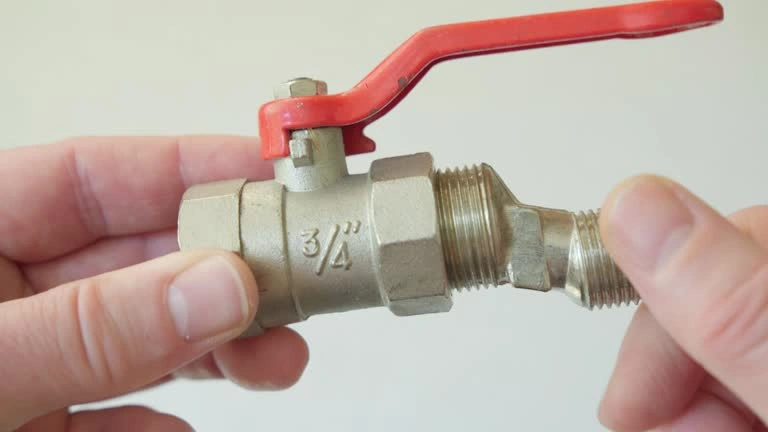
1. Understanding Brass as a Valve Material
Brass is a metal alloy made from copper and zinc. It offers strength, corrosion resistance, and durability. These properties make it a favorite for plumbing, HVAC, and brass valves. Brass resists rust and scale buildup in wet environments. It handles both hot and cold water systems with ease. Its machinability also allows for precise threading and fittings. Brass valves often last longer than plastic or iron options. Their natural antimicrobial qualities provide an added safety benefit. Many industries trust brass for high-pressure applications. The alloy also withstands vibration and temperature fluctuations. It remains stable in both indoor and outdoor use. This makes it reliable for residential and commercial setups. Plumbers often recommend brass valves for their longevity. Homeowners who choose brass often avoid frequent replacements. Brass combines form and function better than many alternatives. Its golden appearance also adds a touch of quality. Whether you’re a contractor or a DIYer, brass stands out. Understanding its properties helps you make informed choices. You get both performance and reliability in one product. These advantages begin with the material itself.
2. Comparing Brass to Plastic Valves
Brass valves offer greater strength than plastic valves. Plastic degrades over time under heat or pressure. Brass tolerates higher temperatures and does not warp. It also resists UV damage, unlike many plastics. Plastic valves weigh less but crack more easily under stress. Brass can survive drops and impacts with minimal damage. In plumbing systems, durability often matters more than cost. Brass valves seal better and last longer in rough conditions. Plastic sometimes leaks when threads wear out. Brass threads retain shape and grip over many years. For outdoor use, brass resists sun and moisture damage. Plastic may become brittle in freezing temperatures. Maintenance also favors brass valves. They rarely require replacements if installed correctly. Plastic valves often need early servicing. In high-pressure systems, brass prevents blowouts better. Plastic may rupture under extreme water pressure. While plastic valves cost less initially, replacements add up. Brass may seem expensive at first, but saves money long-term. For peace of mind, brass valves perform more reliably. Choose brass for critical connections and high-stress applications. Many professionals choose brass over plastic every time. The comparison clearly favors brass in performance and longevity.
3. Brass vs. Stainless Steel Valves
Brass and stainless steel both resist corrosion. However, they serve different purposes. Brass suits domestic plumbing best. Stainless steel fits industrial and chemical applications. Brass works better with potable water. Stainless steel may leach metal in some conditions. Brass offers better machinability, making installation easier. Stainless steel feels harder and takes more effort to cut. Stainless steel also costs more than brass. For homes, brass offers an affordable and reliable solution. In marine or acidic environments, stainless performs better. But for regular plumbing, brass handles pressure well. Brass also weighs less than stainless steel. This makes it easier to work with during installations. If you’re installing valves on copper piping, brass matches perfectly. Stainless steel may require special fittings. Brass handles moderate temperature ranges easily. Stainless excels in extreme heat or cold. Consider application before choosing between them. If you’re building a brewery or factory, stainless may work better. For a residential renovation, brass likely suits your needs. Brass valves serve home users more affordably and efficiently. Always match valve material to your project demands. Both metals work well when used correctly. However, for many home uses, brass remains the better choice.
4. Brass Valve Lifespan and Maintenance
Brass valves last for decades in many environments. Proper installation extends their service even further. Homeowners often enjoy 20 to 70 years of use. Maintenance for brass valves stays minimal. You only need occasional inspections and lubrication. Brass resists corrosion, reducing buildup and blockage risks. The valve handles both soft and hard water well. Limescale forms less frequently on brass compared to plastic. This ensures smoother operation over time. If buildup occurs, a vinegar rinse can clean the valve. Internal components rarely wear out if used correctly. Brass valves also work well in both hot and cold water lines. Freezing does not crack them as easily as plastic. Check seals and washers yearly to ensure full performance. Use brass-compatible sealants to avoid chemical damage. Clean surrounding pipes to reduce contamination. Always avoid overtightening, which can damage threads. Valve handles may loosen over years of use. You can tighten or replace them without full valve replacement. Periodic tests help maintain flow control accuracy. Proper maintenance ensures your brass valves last longer. Many homeowners install once and forget about them. With a little care, brass valves remain reliable for decades.
5. Applications in Residential Plumbing
Brass valves serve many roles in home plumbing systems. You find them in kitchens, bathrooms, and basements. They connect pipes, control flow, and manage pressure. Ball valves, angle valves, and gate valves often come in brass. In kitchens, brass controls hot and cold water flow. In bathrooms, they manage water supply for sinks and toilets. Basements use brass shut-off valves for emergency control. Water heaters also use brass pressure-relief valves. Brass remains stable near heat and pressure sources. Outdoor hose bibs also use brass for durability. Garden systems rely on brass valves for reliable watering. If you’re installing a sprinkler system, brass adds peace of mind. Leaks are less likely with quality brass connections. Brass valves help prevent water damage in critical areas. Many homeowners replace plastic with brass during upgrades. Licensed plumbers often keep brass fittings stocked for quality jobs. These valves improve both function and appearance. Their metallic shine adds visual appeal in exposed areas. Brass valves suit both modern and traditional plumbing setups. When planning a remodel, brass provides lasting value. You can depend on it for years without frequent repairs.
6. Commercial and Industrial Use of Brass Valves
Brass valves also serve commercial plumbing systems well. Restaurants, schools, and office buildings often use brass. These systems demand durability and consistent performance. Brass valves deliver both in daily operations. Commercial kitchens rely on brass for dishwashing and water filtration. Heating systems also include brass components for pressure control. Fire suppression systems use brass for reliability under pressure. HVAC systems benefit from brass valves at key flow points. In manufacturing, brass regulates fluids and gases. Its resistance to corrosion improves performance in industrial conditions. Laboratories and cleanrooms also prefer brass for purity and safety. Commercial plumbers use brass to reduce call-backs and complaints. Large buildings require materials that withstand time and use. Brass fulfills this requirement with proven results. Warehouses and shopping centers use brass for sprinkler lines. Maintenance teams appreciate its simple servicing and reliability. Municipal buildings rely on brass in utility connections. Compared to steel or plastic, brass offers better flexibility. It threads and seals better without requiring special tools. Its use across many industries proves its reliability. Businesses choose brass to avoid downtime and repairs. It offers excellent return on investment over time.
7. Cost vs. Value Analysis
Brass valves cost more upfront than plastic options. However, they offer better long-term value. Their durability reduces replacement frequency. Fewer leaks mean fewer costly repairs. Brass valves also increase the resale value of homes. Inspectors and buyers often notice quality plumbing components. Choosing brass reflects a commitment to reliability and safety. Over 10 years, brass often outperforms cheaper materials. Fewer replacements reduce overall maintenance costs. Brass can handle pressure surges better than most alternatives. For homeowners, this means peace of mind. In a commercial setting, reduced downtime equals higher profits. Energy efficiency also improves with better sealing brass valves. You save money on both labor and parts. Brass valves remain functional in extreme environments. This prevents emergency service calls and plumbing failures. Their long life and low failure rate justify the price. While initial costs seem high, long-term savings add up. Calculate total cost of ownership, not just purchase price. When viewed this way, brass often proves the smartest choice. Professionals invest in brass for these reasons. Whether residential or commercial, brass offers lasting value. Always weigh benefits against upfront costs for smarter decisions.
8. Final Verdict: Are Brass Valves Worth It?
Brass valves offer unmatched reliability and strength. Their corrosion resistance ensures long-term performance. Compared to plastic, they last far longer. Brass also withstands pressure and temperature changes. These qualities matter in every plumbing system. Whether in homes or businesses, brass proves its worth. Their higher cost often equals greater savings over time. You avoid repeat labor, replacements, and potential water damage. Brass works well in both hot and cold systems. It handles daily use without cracking or wearing down. Easy maintenance adds to its appeal. Professionals often recommend brass over alternatives. Their trust reflects brass’s excellent track record. Choosing brass shows commitment to quality and function. For DIYers and pros alike, it offers confidence. Applications range from bathroom sinks to industrial tanks. Each one benefits from brass’s properties. If you value durability, reliability, and safety, choose brass. Its performance justifies the higher cost every time. You get peace of mind with each installation. Brass proves a worthy investment in every setting. From first use to long-term service, brass delivers value. The answer is clear: yes, brass valves are worth it.
IFAN Product Standards Overview
IFAN manufactures products in full compliance with international and regional standards to meet diverse market requirements. Our product range adheres to specifications such as ISO 15874, EN 15874, ASTM F2389, DIN 8077/8078, GB/T 18742, and NBR 15884 for PPR systems. We also follow ISO 15494, EN ISO 15494, GB/T 19472, and NBR 15494 for industrial piping applications. Standards like ASTM D1785 SCH40/SCH80, DIN 8061/8062, ISO 1452, AS/NZS 1477, and NSF/ANSI 14 apply to our PVC systems. For HDPE and gas pipes, we comply with ISO 4437, EN 12201, ASTM D2513, ASTM D3035, and GB/T 13663. Stainless steel and composite piping products meet ASTM A312, ISO 10380, ASTM F1974, and ISO 21003. Other supported standards include CSA B137, BS 7291, JIS K6741, and TIS 17-2532/1131-2535. IFAN ensures reliable quality and compatibility by meeting these globally recognized specifications.
Contact
IFAN is a professional manufacturer with of experience, dedicated to producing high-quality plastic pipes, fittings, and valves. Our products include brass valves, PPR valves, as well as various pipes and fittings to meet different customer needs. Whether you need plumbing and drainage pipes or valve products, IFAN can provide a diverse range of high-quality, cost-effective products to support your projects. Below is our contact information.
We will reply your email or fax within 24 hours.
You can call us at any time if there is any question on our production.
For more information,pls visit our webside https://www.ifanplus.com/
Pls Mailto: [email protected]
Whatsapp: + 86 19857948982























