


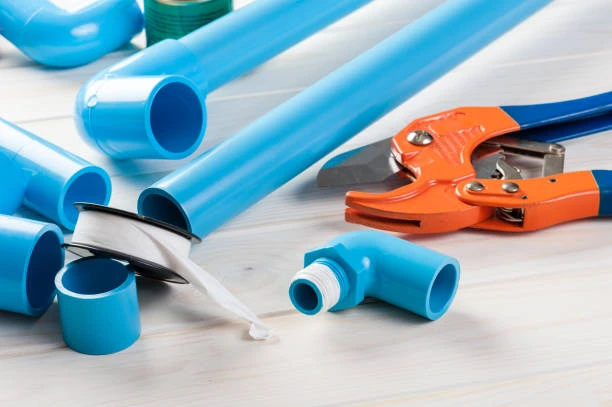
PVC cutters play an essential role in pipe installation and maintenance tasks across various industries. One critical feature users prioritize in these tools is abrasion resistance. Abrasion resistance refers to the ability of a tool to withstand wear and tear caused by repeated use or contact with hard materials. For PVC cutters, this quality directly impacts their lifespan, efficiency, and overall value. Understanding the factors that contribute to abrasion resistance and its importance helps users make informed choices while ensuring reliable performance over time.
Importance of Abrasion Resistance in PVC Cutters
Professionals and DIY users alike rely on PVC cutters to produce precise, clean cuts on pipes made of polyvinyl chloride. This repetitive task subjects the blades and other components to significant friction and pressure. Without sufficient abrasion resistance, the cutter may dull quickly, deform, or fail entirely, leading to inefficiencies and increased costs.
When a PVC cutter resists wear effectively, users enjoy consistent performance for longer periods. Sharp blades reduce cutting effort, maintain accuracy, and prevent jagged edges on pipes. These benefits save time, lower replacement expenses, and enhance user satisfaction. Durable materials and well-engineered designs ensure that the cutter performs well under demanding conditions, making it a valuable tool in various applications.
Materials and Coatings that Enhance Abrasion Resistance
The materials used in a PVC cutter’s construction significantly influence its ability to resist abrasion. Manufacturers select metals and coatings that combine hardness, toughness, and corrosion resistance to achieve long-lasting durability.
- High-Carbon Steel Blades: Many PVC cutters feature blades made from high-carbon steel, which offers excellent hardness and edge retention. This material withstands repeated use without significant dulling, ensuring sharp cuts over time.
- Stainless Steel Components: Stainless steel resists rust and abrasion, making it a common choice for the body and moving parts of PVC cutters. Its combination of strength and corrosion resistance adds to the tool’s longevity.
- Tungsten Carbide Coatings: Some manufacturers apply tungsten carbide coatings to blades for added hardness and wear resistance. This coating strengthens the blade surface, allowing it to endure frequent cuts and high-pressure applications.
- Teflon or Non-Stick Coatings: Non-stick coatings reduce friction during cutting, which minimizes wear on the blade edge. They also prevent material buildup on the cutter, maintaining smooth operation.
Design Features Supporting Abrasion Resistance
Beyond material choices, certain design elements enhance a PVC cutter’s ability to resist abrasion. Manufacturers incorporate these features to ensure reliable performance even under intensive use.
- Precision Machining: Accurate machining of cutting edges reduces irregularities that could accelerate wear. Smooth, uniform edges cut more efficiently and resist abrasion better than rough or uneven ones.
- Reinforced Cutting Mechanisms: PVC cutters with ratcheting mechanisms often include reinforced gears and springs that withstand repeated stress. These components prevent premature wear in high-torque applications.
- Ergonomic Handles: Handles made from high-strength polymers or rubberized materials distribute cutting force evenly, reducing stress on the blade and enhancing overall tool durability.
- Replaceable Blades: Many PVC cutters allow blade replacement, ensuring continued use of the tool without compromising performance. Replacement blades made from abrasion-resistant materials maintain cutting efficiency over time.
Testing and Measuring Abrasion Resistance
Manufacturers evaluate the abrasion resistance of PVC cutters through standardized testing methods. These tests simulate real-world conditions to determine how well a tool withstands wear over time. For example:
- Blade Sharpness Retention: Testers assess how many cuts a blade can perform before dulling significantly. A blade with high abrasion resistance maintains its sharp edge across hundreds or thousands of cuts.
- Friction and Heat Resistance: Cutting generates friction and heat, which can degrade materials over time. Abrasion-resistant blades show minimal degradation even under high temperatures.
- Durability in Harsh Environments: Tools exposed to dust, dirt, and moisture often face accelerated wear. Abrasion-resistant materials maintain performance in these challenging conditions.
Applications Requiring Abrasion-Resistant PVC Cutters
Various industries and user groups rely on PVC cutters with high abrasion resistance to meet their specific needs. Below are examples of applications where this feature proves indispensable:
- Plumbing and Construction: Professionals in these fields frequently cut PVC pipes for water supply lines, drainage systems, and electrical conduits. Abrasion-resistant cutters handle the demands of daily use without compromising accuracy or efficiency.
- Irrigation Systems: Irrigation specialists work with PVC pipes in outdoor environments, where exposure to dirt and grit can increase tool wear. Abrasion-resistant cutters perform reliably even in rugged conditions.
- Industrial Applications: Factories and manufacturing facilities often use PVC cutters for maintenance tasks or production processes involving plastic piping. High abrasion resistance ensures consistent performance under heavy-duty use.
- DIY and Home Projects: Hobbyists and homeowners value tools that last through multiple projects. An abrasion-resistant PVC cutter supports extended use without requiring frequent replacements.
Maintenance Tips to Maximize Abrasion Resistance
Proper care and maintenance help users extend the lifespan of their PVC cutters while preserving their abrasion resistance. Following these best practices ensures optimal performance:
- Clean After Use: Regularly clean the cutter to remove debris and residue that could accelerate wear. Use a soft cloth and mild detergent to avoid damaging the tool.
- Lubricate Moving Parts: Applying lubricant to the cutter’s joints and mechanisms reduces friction, minimizing wear on high-stress areas.
- Store Properly: Store the PVC cutter in a dry, clean environment to prevent exposure to moisture and contaminants that could degrade its materials.
- Inspect Regularly: Check for signs of wear, such as dull blades or loose components. Replace or tighten parts as needed to maintain the tool’s performance.
- Use the Right Tool for the Job: Avoid using the PVC cutter on materials it is not designed for, as this can cause unnecessary wear. Select a cutter suitable for the pipe diameter and thickness.
Conclusion
Abrasion resistance defines the durability and reliability of a PVC cutter, making it a critical feature for users in various industries and applications. High-quality materials, specialized coatings, and thoughtful design choices contribute to a tool’s ability to withstand wear and tear over time. By selecting a cutter with excellent abrasion resistance and maintaining it properly, users ensure consistent performance and long-term value. Whether for professional plumbing tasks, irrigation projects, or DIY endeavors, abrasion-resistant PVC cutters provide the precision and durability needed to handle any job with confidence.
IFAN international standard
IFAN products comply with a range of internationally recognized standards, ensuring quality and performance in various applications. These include the ISO 15874 series standards, which outline the specifications for plastic piping systems; the EN 15874 series standards, which cover the requirements for polyethylene (PE) pipes and fittings in water distribution systems; ASTM F2389, which sets the standards for crosslinked polyethylene (PEX) tubing systems; DIN 8077/8078, which address the dimensions and testing of plastic pipes; GB/T 18742 series standards, which are the Chinese national standards for plastic pipes and fittings; and NBR 15884, a Brazilian standard for PE and PEX piping systems. These certifications demonstrate IFAN’s commitment to providing reliable and high-quality products in compliance with global industry standards.
Contact
IFAN is a professional manufacturer with of experience, dedicated to producing high-quality plastic pipes, fittings, and valves. Our products include brass valves, PPR valves, as well as various pipes and fittings to meet different customer needs. Whether you need plumbing and drainage pipes or valve products, IFAN can provide a diverse range of high-quality, cost-effective products to support your projects. Below is our contact information.
We will reply your email or fax within 24 hours.
You can call us at any time if there is any question on our production.
For more information,pls visit our webside https://www.ifanplus.com/
Pls Mailto: [email protected]
Whatsapp: + 86 19857948982























