


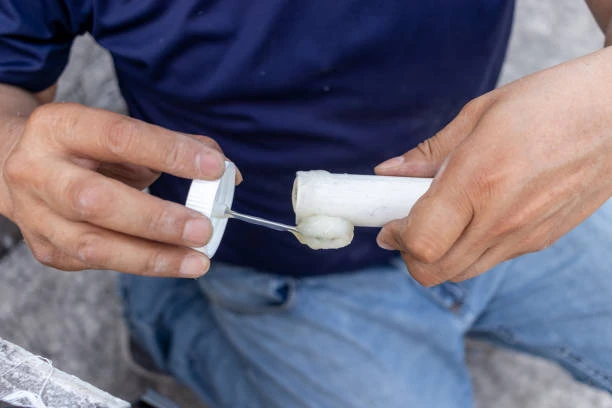
PVC pipe glue creates strong permanent bonds. People use it for plumbing and irrigation projects. Proper application ensures leak-proof connections. This guide explains correct usage step by step. We will cover preparation, application, and safety. Following these instructions guarantees professional results. Both beginners and experts will find value here.
Understanding PVC Solvent Cement
PVC pipe glue is not typical adhesive. It works through chemical welding action. The cement melts the PVC surface slightly. Then it fuses the pieces together completely. This creates a joint stronger than the pipe itself. People also call it solvent cement. Different formulas suit various conditions. Always choose the right product for your project.
Gathering Necessary Tools and Materials
First, collect all required items. You need PVC pipes and fittings. Get a can of PVC primer and glue. Have a measuring tape ready. Use a saw for cutting pipes. Prepare a deburring tool or sandpaper. Keep a clean cloth handy. Wear protective gloves and glasses. Good preparation makes the process smooth.
Measuring and Cutting the Pipe
Measure the pipe length carefully. Mark the cutting point clearly. Use a specialized PVC cutter. Alternatively, use a fine-tooth saw. Ensure the cut is straight and clean. An uneven cut causes poor connections. Double-check measurements before cutting. Remember the old saying: measure twice, cut once.
Removing Burrs and Debris
Cut pipes have rough edges. These edges are called burrs. Remove them with a deburring tool. You can also use sandpaper. Smooth both the inside and outside. Then wipe the pipe with a clean cloth. Remove all dust and moisture. A clean surface ensures better bonding.
Dry Fitting the Components
Assemble the pipes without glue first. Check the fit and alignment. All parts should connect smoothly. Mark the depth of insertion with a pencil. This helps during glued assembly. Disassemble the pieces after marking. Dry fitting prevents mistakes later.
Applying Purple Primer
Primer prepares the PVC surface. It cleans and softens the material. Apply primer to the pipe end. Also apply it to the fitting socket. Use a primer applicator brush. Cover the area completely. Wait for the primer to dry. It usually takes few seconds. The purple color indicates coverage.
Applying the Solvent Cement
Now apply the PVC glue. Use the built-in brush in the can. Apply a thin coat on the pipe end. Then apply another coat inside the fitting. Cover the surfaces evenly. Avoid applying too much product. Excess glue can weaken the joint. Work quickly but carefully.
Assembling the Pieces Quickly
Join the pipe and fitting immediately. Insert the pipe fully into the socket. Give it a quarter turn as you push. This spreads the glue evenly. Align the marks you made earlier. Hold the pieces together briefly. The glue sets within seconds. Avoid moving the joint after assembly.
Allowing Proper Curing Time
The joint sets quickly but needs time to cure. Follow the manufacturer’s instructions. Typically, wait 15 minutes for handling. Wait 2 hours before pressure testing. Wait 24 hours for full strength. Temperature affects curing time. Cold weather requires longer waiting. Patience ensures a perfect bond.
Checking the Joint Quality
Inspect the joint after curing. Look for a small bead of cement. This bead should appear around the connection. It indicates sufficient glue application. Check for any gaps or misalignments. Test the connection with water pressure. A proper joint shows no leaks. Fix any problems immediately.
Cleaning Up Afterwards
Clean your tools right after use. Wipe excess glue with a rag. Close the glue can tightly. Store it in a cool dry place. Dispose of rags properly. They can be flammable. Wash your hands thoroughly. Proper cleanup maintains tool longevity.
Understanding Safety Precautions
Safety is very important. Work in a well-ventilated area. Avoid breathing the fumes. Wear safety glasses always. Protect your skin with gloves. Keep sparks and flames away. The glue is highly flammable. Read the safety data sheet carefully.
Troubleshooting Common Problems
Sometimes issues may occur. A loose joint means insufficient glue. A weak bond suggests surface contamination. Leaks indicate improper application. Fix这些问题 by cutting and re-gluing. Always ensure surfaces are clean and dry. Practice improves your skills over time.
Knowing When to Seek Help
Some projects are complex. Large diameter pipes need special techniques. High-pressure systems require expertise. Do not hesitate to call a professional. Mistakes can cause water damage. Safety should always come first. Knowing your limits is wise.
Conclusion
Proper PVC glue use is straightforward. Preparation and technique are key. Follow each step carefully. Practice on scrap pieces first. You will gain confidence quickly. Good connections last for decades. This guide helps you achieve professional results. Happy plumbing everyone!
Contact IFAN for Catalogs and Samples
Need technical documents, catalogs, or sample products? Reach out to IFAN today.
📧 Email: [email protected]
📱 Whatsapp: +86 19857948982
Our team responds quickly and provides professional support for all your pipeline needs.
IFAN international standard
IFAN piping systems comply with a wide range of international standards to ensure high quality and performance. These include ASTM F1974 and ASTM F1281 for multilayer piping systems, CSA B137 for Canadian plumbing applications, DIN 16836 for German technical specifications, GB18997 for Chinese standards, and ISO 21003, which covers multilayer piping systems used for hot and cold water installations. This broad certification scope highlights IFAN’s commitment to global compliance and product reliability.























