


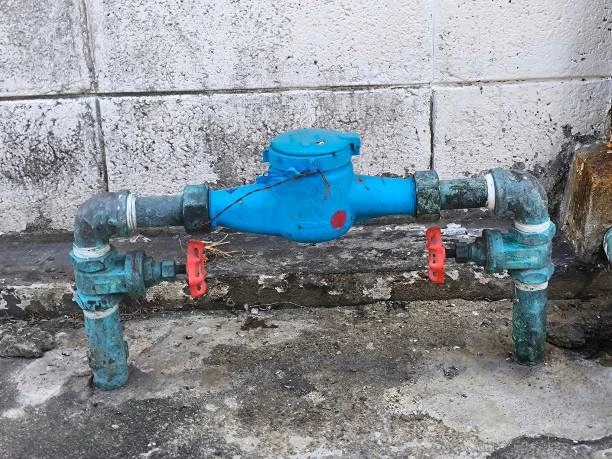
Controlling large volumes of liquid or gas within industrial and municipal systems demands reliable components. Among the many valve types, the 4 inch gate valve has earned a strong reputation for its ability to manage high-flow applications with minimal resistance and excellent sealing. Whether in a water treatment plant or an oil refinery, this valve helps engineers maintain operational safety and efficiency. This article explains why the 4 inch gate valve remains the top choice for high-flow control, while also exploring its definition, benefits, uses, and selection guidelines.
Frequently Asked Questions (FAQ)
1. What is a 4 inch gate valve used for?
This valve is used to control or shut off flow in pipelines with a 4 inch diameter, especially in systems with high-volume movement.
2. How does a 4 inch gate valve handle high flow?
It features a full-bore design that allows unrestricted fluid movement with very low pressure loss.
3. Can I use it for both liquids and gases?
Yes. It supports water, steam, gas, and other fluids, depending on the material used in construction.
4. Is the valve easy to maintain?
Absolutely. Its simple internal structure and manual operation make it easy to inspect, repair, or replace.
5. Which industries benefit the most from this valve?
Water treatment, petrochemical, fire protection, and agricultural irrigation systems use this valve extensively.
What Is a 4 Inch Gate Valve?
A 4 inch gate valve is a mechanical device designed to control the flow of fluids in pipelines with a nominal diameter of 4 inches. It uses a gate or wedge that moves vertically inside the valve body. When the gate is fully raised, it opens the path completely, allowing fluid to flow freely. When lowered, it forms a solid seal that blocks flow entirely.
This valve is not meant for throttling or regulating flow. Instead, it excels in either fully open or fully closed positions. Because of its straightforward function, it supports high-volume systems that demand full isolation or unrestricted movement.
Key Characteristics
- Full-Port Opening
When open, the internal diameter aligns with the pipeline, enabling maximum flow capacity with low friction. - Bidirectional Functionality
Installers can place the valve in either direction, simplifying integration in various systems. - Sturdy Construction
Manufacturers offer it in stainless steel, ductile iron, bronze, and PVC, depending on the fluid and environment. - Manual or Automated Operation
You can choose manual handwheel versions or integrate the valve into automated systems using actuators. - Reliable Sealing
When closed, the gate provides a tight seal that prevents backflow or leakage—even under high pressure.
These features make it a reliable solution where flow control and durability are critical.
Common Uses and Industries
The 4 inch gate valve adapts well to many settings. Its size and design make it particularly effective in systems that handle medium to large amounts of liquid or gas.
Municipal Water Networks
City planners use these valves to isolate sections during pipeline maintenance. The full-port design ensures efficient water movement with minimal disruption.
Industrial Facilities
Chemical and manufacturing plants rely on gate valves to manage large quantities of process fluids. They can withstand heat, pressure, and corrosion, depending on the chosen material.
Oil and Gas Pipelines
In the petroleum industry, the 4 inch gate valve controls crude oil, gas, and refinery byproducts. Its sealing power ensures operational safety.
Fire Suppression Systems
Engineers use this valve in sprinkler systems to control zones or isolate supply lines. Its ability to shut off water entirely supports emergency protocols.
Agricultural Irrigation
Farmers use 4 inch gate valves to manage water distribution across large areas. The valve handles high flow without sacrificing control or reliability.
From simple piping systems to high-pressure networks, this valve ensures stable performance and long service life.
Buying Guide: How to Choose the Right 4 Inch Gate Valve
Selecting a gate valve requires more than just choosing the right size. You must consider system pressure, the type of media, environmental conditions, and required certifications. Here’s a breakdown of the most important selection criteria.
1. Material Choice
- Ductile Iron: Ideal for high-pressure water and wastewater systems.
- Brass or Bronze: Common in potable water and marine applications.
- Stainless Steel: Offers superior corrosion resistance in chemical plants or saltwater systems.
- PVC or CPVC: Suitable for low-pressure or corrosive chemical environments.
2. End Connections
- Flanged Ends: Provide secure connections and simplify valve replacement.
- Threaded Ends: Suitable for smaller systems with moderate pressure.
- Grooved Ends: Allow for faster installation using mechanical couplings.
3. Stem Type
- Rising Stem: Shows valve status clearly but requires vertical space.
- Non-Rising Stem: More compact and suitable for underground or tight installations.
4. Seat Type
- Soft Seated: Ensures tight shutoff in low to medium pressure systems.
- Metal Seated: Performs better in abrasive or high-temperature applications.
5. Certifications and Standards
Always verify that the valve meets relevant standards such as ANSI, AWWA, NSF 61, or API. These certifications confirm that the valve is safe, durable, and appropriate for regulated industries.
6. Color Coding and Identification
Some manufacturers use colored handles or bodies to indicate pressure ratings or valve types. Make sure the product you select includes easy-to-read labeling.
By considering these factors, you can find a gate valve that delivers optimal performance while aligning with your project’s specifications.
Why a 4 Inch Gate Valve Is Ideal for High-Flow Control Needs
When systems require large volumes of fluid to move with little resistance, a 4 inch gate valve is the perfect solution. Below are the top reasons why this valve excels in high-flow environments:
1. Full Port Design Minimizes Pressure Loss
Unlike valves with restricted flow paths, gate valves allow water or gas to pass without turbulence. This design reduces energy consumption and supports higher efficiency.
2. Excellent Sealing Capabilities
The valve closes tightly, preventing leaks even in high-pressure environments. This feature ensures safety and reduces waste.
3. Durability Under Heavy Use
Its robust construction resists wear from friction, high velocity, and harsh fluids. As a result, it remains functional for many years.
4. Minimal Maintenance Requirements
With fewer moving parts and straightforward mechanics, the valve requires less frequent inspection and servicing.
5. Flexible Application
From irrigation to chemical plants, the 4 inch gate valve supports a wide range of media types and system layouts.
Therefore, when high-flow control is a primary requirement, this valve delivers unmatched efficiency and operational value.
Comparison: 4 Inch Gate Valve vs. Other Valve Types
To better understand the performance of a 4 inch gate valve, let’s compare it with two other common valve types:
| Feature | 4 Inch Gate Valve | 4 Inch Ball Valve | 4 Inch Butterfly Valve |
|---|---|---|---|
| Flow Resistance | Very Low | Low | Moderate |
| Ideal Use | On/Off High-Flow Control | Quick Shutoff | Flow Regulation |
| Space Requirement | High | Low | Very Low |
| Opening Speed | Slow | Fast | Very Fast |
| Pressure Handling | High | Medium to High | Medium |
| Maintenance Needs | Low | Moderate | Low |
| Lifespan | Long | Medium | Medium |
| Cost | Moderate | Higher | Lower |
This table shows that although ball and butterfly valves have their place, the gate valve outperforms them in durability and full-flow capabilities—especially in high-volume environments.
Conclusion
In any system that demands high-flow control, the 4 inch gate valve delivers unmatched performance, reliability, and ease of use. Its full-bore design, tight sealing, and rugged construction make it an excellent choice for municipal, industrial, agricultural, and commercial applications.
Engineers and installers value this valve for its ability to handle pressure, reduce flow resistance, and isolate sections of a system safely. When selected carefully and installed correctly, a 4 inch gate valve can serve for many years with minimal upkeep.
If you’re designing a high-capacity fluid transport system and require efficient shutoff capabilities, this valve stands out as the most logical and cost-effective option. With the right material, connection type, and operating mechanism, you’ll gain peace of mind knowing your system operates smoothly and securely.
Contact IFAN for Catalogs and Samples
Need technical documents, catalogs, or sample products? Reach out to IFAN today.
📧 Email: [email protected]
📱 Whatsapp: +86 19857948982
Our team responds quickly and provides professional support for all your pipeline needs.
IFAN international standard
IFAN piping systems comply with a wide range of international standards to ensure high quality and performance. These include ASTM F1974 and ASTM F1281 for multilayer piping systems, CSA B137 for Canadian plumbing applications, DIN 16836 for German technical specifications, GB18997 for Chinese standards, and ISO 21003, which covers multilayer piping systems used for hot and cold water installations. This broad certification scope highlights IFAN’s commitment to global compliance and product reliability.























