


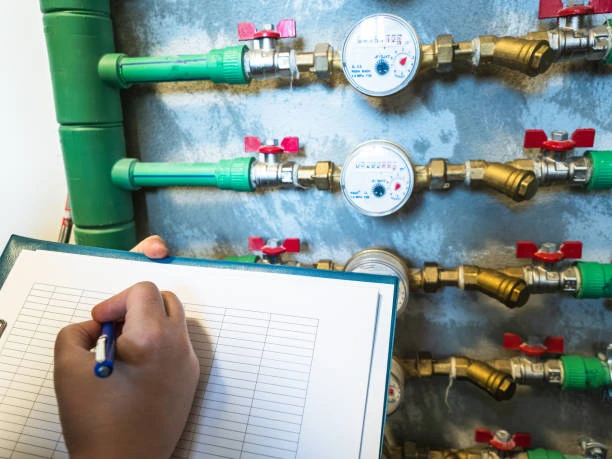
When it comes to controlling fluid flow in plumbing and industrial systems, the 1 inch brass ball valve remains one of the most reliable and widely used components. Thanks to its sturdy construction, simple operation, and excellent sealing capability, this valve type offers an ideal balance of performance and durability for many applications.
In this article, we will cover everything you need to know about it. From its basic definition and features to common applications, buying tips, and comparisons with other valve types, this guide will help you make an informed choice for your next project or repair.
Frequently Asked Questions (FAQ)
1. What is a 1 inch brass ball valve?
A 1 inch brass ball valve is a valve with a 1-inch diameter port that uses a spherical ball to control fluid flow, made primarily from brass for durability and corrosion resistance.
2. How does a ball valve work?
By turning the valve handle 90 degrees, the internal ball either aligns its hollow center with the pipe, allowing flow, or blocks it completely to stop flow.
3. Where can I use a 1 inch brass ball valve?
It is suitable for residential plumbing, irrigation, industrial systems, HVAC, and other fluid handling systems requiring a robust valve.
4. What are the advantages of brass as a valve material?
Brass offers excellent corrosion resistance, mechanical strength, and works well with water, gas, and many oils.
5. How do I maintain a 1 inch brass ball valve?
Regular operation, checking for leaks, and lubricating the stem when needed help extend valve life.
Definition and Core Features of the 1 Inch Brass Ball Valve
To begin with, a 1 inch brass ball valve is a quarter-turn valve that uses a hollow, perforated, and pivoting ball to control flow. When the handle turns, the ball rotates to either permit or block fluid passage through its central hole.
The 1-inch specification refers to the diameter of the valve’s internal port, meaning it fits piping systems that have a nominal 1-inch diameter. Brass, an alloy primarily made of copper and zinc, forms the valve body and components. This material choice gives the valve strong corrosion resistance, mechanical toughness, and longevity in diverse environments.
Important Features
- Quarter-turn handle enables quick shutoff
- Durable brass construction resists corrosion and wear
- Threaded or soldered connections for easy integration
- Tight sealing with PTFE or similar seats prevents leaks
- Wide temperature and pressure tolerance for various systems
- Compact and lightweight design fits tight spaces
Thanks to these features, the 1 inch brass ball valve offers a reliable and easy-to-use solution across many fluid control scenarios.
Common Uses and Applications
This valve size and type find their way into multiple industries and setups, showing remarkable versatility.
Residential Plumbing
In household water supply lines, the 1 inch brass ball valve controls flow to appliances, irrigation systems, or whole sections of the plumbing. Its robustness makes it ideal for both cold and hot water lines.
Irrigation Systems
Garden sprinklers and drip irrigation often rely on these valves to regulate water distribution efficiently. Their quick operation helps gardeners manage water flow precisely.
HVAC Systems
Heating, ventilation, and air conditioning setups employ brass ball valves for isolating sections of piping or equipment, helping with maintenance and flow control.
Industrial and Commercial Applications
From manufacturing plants to commercial kitchens, these valves help manage liquids and gases such as water, air, natural gas, and oils. Their durability ensures they perform well even in demanding environments.
Marine and Automotive
Brass ball valves with a 1-inch diameter are sometimes used in marine fuel and cooling systems, as well as in automotive fluid management, thanks to their corrosion resistance and mechanical strength.
Overall, the 1 inch brass ball valve’s wide adaptability makes it a staple across many fields.
Buying Guide: How to Choose the Right 1 Inch Brass Ball Valve
Selecting the right valve ensures optimal performance and longevity. Here’s what to consider:
1. Connection Type
- Threaded valves offer easy installation with compatible threaded pipes.
- Sweat or soldered valves provide a more permanent connection, suitable for copper pipes.
Choose the type matching your piping and skill level.
2. Valve End Configurations
Some valves come with full port openings, allowing unrestricted flow, while others have reduced ports. Full port valves minimize pressure drop but cost more.
3. Pressure and Temperature Ratings
Check the valve’s maximum pressure and temperature limits. Typical brass ball valves handle pressures up to 600 PSI and temperatures up to 200°F, but confirm specs based on your system needs.
4. Seal Material
Valves use different sealing materials, with PTFE (Teflon) being the most common. Ensure compatibility with the fluid type to avoid degradation and leaks.
5. Handle Design
Handles come in different shapes and sizes, such as lever handles or T-handles. Choose a design that suits your installation space and required leverage.
6. Certification and Standards
For potable water or gas systems, look for certifications such as NSF, CSA, or UPC to comply with safety and quality standards.
Following these criteria helps you pick a valve tailored to your specific requirements.
Solutions Provided by 1 Inch Brass Ball Valves
The 1 inch brass ball valve offers practical solutions to everyday flow control challenges.
Rapid Shutoff
Thanks to its quarter-turn operation, it enables quick emergency shutoff, reducing potential water damage or system failures.
Leak Prevention
With precise machining and quality seals, these valves ensure leak-free operation over long periods, saving money on repairs.
Ease of Installation and Maintenance
The combination of threaded or soldered ends with a simple handle design makes installation straightforward. Moreover, the valve’s durability minimizes the need for frequent replacement.
Compatibility
Its ability to work with water, gas, and various oils broadens its usability, providing a flexible solution for multiple industries.
Durability in Harsh Environments
Brass resists corrosion even in marine or outdoor environments, making this valve a trustworthy choice under tough conditions.
Together, these benefits make it a dependable component in many system designs.
Comparison Table: 1 Inch Brass Ball Valve vs Other Valves
| Feature | 1 Inch Brass Ball Valve | PVC Ball Valve | Stainless Steel Ball Valve | Gate Valve |
|---|---|---|---|---|
| Material | Brass | PVC | Stainless Steel | Brass or Steel |
| Pressure Rating | Up to 600 PSI | Up to 150 PSI | Up to 1000+ PSI | Varies (Low-High) |
| Temperature Range | -20°F to 200°F | 33°F to 140°F | -320°F to 1000°F+ | Varies |
| Corrosion Resistance | Good | Excellent | Excellent | Good |
| Installation Ease | Moderate | Easy | Moderate | Moderate |
| Leak Tightness | High | Moderate | Very High | Moderate |
| Cost | Moderate | Low | High | Moderate |
| Typical Applications | Water, gas, oil | Water, irrigation | Corrosive or high-pressure | Water, steam |
This table helps illustrate why the 1 inch brass ball valve remains a well-rounded option, balancing cost, durability, and performance.
Conclusion
To conclude,it represents a foundational component in fluid control systems. Its durable brass construction, reliable sealing, and quick quarter-turn operation make it suitable for an impressive variety of applications — from residential plumbing to industrial processes.
By understanding the valve’s features, applications, and how it compares to alternatives, you can make a smart choice that ensures efficiency and longevity. Whether you’re installing a new system or replacing an old valve, it provides a robust and trustworthy solution.
Choosing this valve means selecting reliability, ease of maintenance, and broad compatibility. For anyone looking to optimize their fluid handling, the 1 inch brass ball valve basics covered here offer a strong foundation for success.
Contact IFAN for Catalogs and Samples
Need technical documents, catalogs, or sample products? Reach out to IFAN today.
📧 Email: [email protected]
📱 Whatsapp: +86 19857948982
Our team responds quickly and provides professional support for all your pipeline needs.
IFAN international standard
IFAN piping systems comply with a wide range of international standards to ensure high quality and performance. These include ASTM F1974 and ASTM F1281 for multilayer piping systems, CSA B137 for Canadian plumbing applications, DIN 16836 for German technical specifications, GB18997 for Chinese standards, and ISO 21003, which covers multilayer piping systems used for hot and cold water installations. This broad certification scope highlights IFAN’s commitment to global compliance and product reliability.























