


Perkenalan
The installation of UPVC (unplasticized Polyvinyl Chloride) pipes is a critical aspect of plumbing and infrastructure projects, requiring careful planning and execution to ensure optimal performance and longevity. Understanding the methods and considerations for UPVC pipe installation is essential for achieving efficient and reliable piping systems. This article explores the various installation methods and important considerations for UPVC pipes, offering insights to stakeholders involved in construction and plumbing projects.
Methods of UPVC Pipe Installation
1. Solvent Cement Jointing: Ensuring Secure Connections
Persiapan Ujung Pipa: Before jointing UPVC pipes using solvent cement, it is essential to properly prepare the pipe ends by cutting them squarely and removing any burrs or debris. Clean the pipe ends thoroughly to ensure proper adhesion and bonding with the solvent cement.
Application of Solvent Cement: Apply a generous amount of solvent cement to both the pipe ends and the fitting socket using a brush or applicator. Ensure that the solvent cement covers the entire surface area of the joint to achieve a strong and leak-proof connection.
Assembly and Cure Time: Immediately after applying the solvent cement, insert the pipe into the fitting socket and give it a quarter-turn to evenly distribute the cement. Allow sufficient time for the joint to cure and achieve full strength before pressurizing the system. Follow the manufacturer’s recommendations for cure time based on temperature and humidity conditions.
2. Mechanical Jointing: Providing Flexibility and Ease of Installation
Push-Fit Joints: Mechanical jointing methods, such as push-fit joints, offer quick and convenient installation without the need for solvent cement. Simply push the pipe into the fitting socket until it reaches the stop, ensuring a secure and watertight connection.
Threaded Joints: For applications that require disassembly or adjustment, threaded joints can be used to connect UPVC pipes and fittings. Threaded joints offer flexibility and ease of installation, allowing for easy removal and reassembly without the need for specialized tools.
3. Installation Techniques for Specific Applications
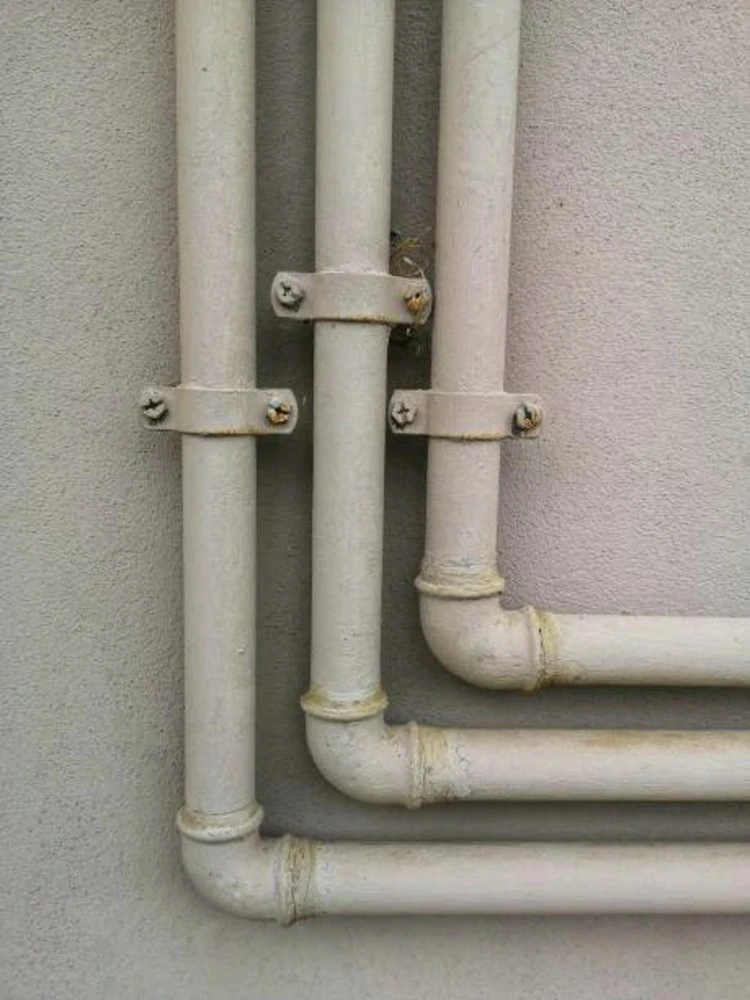
Horizontal Installation: When installing UPVC pipes horizontally, ensure proper support and alignment to prevent sagging or deformation. Use pipe hangers, brackets, or clamps at regular intervals to support the weight of the pipes and maintain alignment along the horizontal run.
Vertical Installation: For vertical installations, such as risers or stacks, consider the effects of gravity and fluid pressure on the pipes. Ensure adequate bracing and anchoring to prevent movement or displacement, especially in high-rise buildings or tall structures.
Considerations for UPVC Pipe Installation
1. Environmental Conditions: Take into account environmental factors such as temperature, humidity, and exposure to sunlight during UPVC pipe installation. Extreme temperatures can affect the performance and integrity of the pipes, so install them in suitable conditions to prevent damage or deterioration.
2. Ground Preparation: Properly prepare the ground or substrate before installing UPVC pipes underground. Remove any rocks, debris, or sharp objects that could damage the pipes and ensure a smooth and level surface for laying the pipes.
3. Expansion and Contraction: Allow for expansion and contraction of UPVC pipes due to temperature fluctuations to prevent stress and deformation. Use expansion joints or flexible connectors where necessary to accommodate thermal movement and prevent damage to the piping system.
Kesimpulan
In conclusion, the installation of UPVC pipes requires careful attention to detail and adherence to proper techniques and considerations. Whether using solvent cement jointing, mechanical jointing, or specific installation techniques for different applications, ensuring secure connections and proper support is essential for the performance and longevity of UPVC piping systems. By following the methods and considerations outlined in this article, stakeholders can achieve efficient, reliable, and durable UPVC pipe installations in their projects.
Kontak
JIKA adalah produsen profesional dengan pengalaman 30 tahun, yang didedikasikan untuk memproduksi pipa, fitting, dan katup plastik berkualitas tinggi. Produk kami meliputi katup kuningan, katup PPR, serta berbagai pipa dan fitting untuk memenuhi berbagai kebutuhan pelanggan. Baik Anda membutuhkan pipa ledeng dan drainase atau produk katup, JIKA dapat menyediakan berbagai macam produk berkualitas tinggi dan hemat biaya untuk mendukung proyek Anda. Berikut adalah informasi kontak kami.
Kami akan membalas email atau faks Anda dalam waktu 24 jam.
Anda dapat menghubungi kami kapan saja jika ada pertanyaan tentang produksi kami.
Untuk informasi lebih lanjut, silakan kunjungi situs web kami https://www.ifanplus.com/
Silakan Kirim Email ke: [email protected]























