


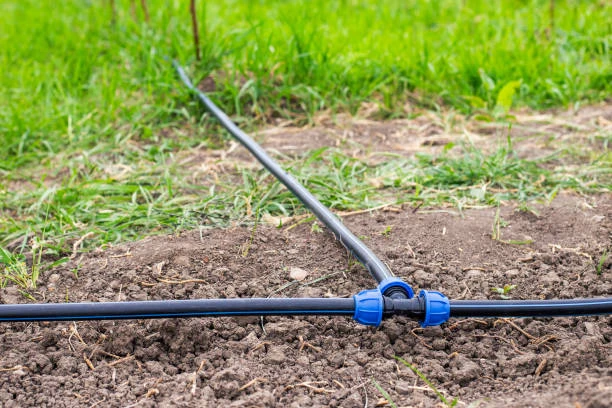
The transportation of HDPE (High-Density Polyethylene) floating pipes plays a crucial role in the overall pipeline installation process. Efficient logistics and handling ensure that pipes remain intact and functional when they reach their destination. HDPE floating pipes present unique challenges due to their size, flexibility, and relatively lightweight structure. This article will examine the various methods, challenges, and considerations involved in transporting HDPE floating pipes while focusing on active voice.
Overview of HDPE Floating Pipes
HDPE floating pipes find applications in water-based projects, such as aquaculture, offshore oil and gas, dredging, mining, and water distribution. These pipes feature high resistance to corrosion, ease of installation, and the ability to float on water, making them ideal for fluctuating water levels. HDPE pipes combine lightweight design with durability, offering a long lifespan even in harsh conditions. Proper transportation ensures that these pipes arrive at their installation sites without damage, maintaining their performance standards.
Efficient transportation starts at the manufacturing facility and extends to the installation site, which may be inland or offshore. The transportation method and planning depend on the unique characteristics of the pipes and the geographic conditions of the route.
Factors Affecting Transportation
Several factors influence the transportation process for HDPE floating pipes. These include:
- Pipe Size and Weight: HDPE floating pipes come in various diameters and lengths. Larger pipes, especially those with substantial diameters, require special handling due to their bulk and weight.
- Transport Route: The distance between the manufacturing facility and the installation site, the route’s geographic features, and the available infrastructure all determine the chosen transportation method.
- Handling and Storage: The pipes must undergo proper handling and storage during transit. Ensuring that they stay intact without deformation or damage is crucial for maintaining functionality.
- Kondisi Lingkungan: Weather conditions, such as high winds, storms, or heavy rain, may disrupt the transportation of pipes, particularly when moving them across water or through exposed environments.
Transportation Methods
Several transportation methods are available for delivering HDPE floating pipes to their installation site. The chosen method depends on factors such as distance, terrain, and logistical needs.
1. Road Transportation
For shorter distances, road transportation offers convenience and cost-effectiveness. The use of flatbed trucks, specialized trailers, or multi-axle vehicles accommodates the length and size of the pipes. When using road transportation, consider the following:
- Loading and Placement: HDPE pipes typically transport on flatbed trucks or trailers. For smaller diameters, pipes can stack directly on the bed, while larger pipes might require side-loading or lifting equipment like cranes or forklifts. Proper placement helps to prevent stress during transport.
- Long-Length Pipes: For pipes of considerable length, specialized transport vehicles such as extended trailers or multi-axle trucks are necessary. In some regions, permits or escorts for oversized loads are required.
- Securing the Load: Ensuring the pipes stay in place during transit is crucial. Secure tie-downs, straps, or chains prevent movement. Sometimes, foam or wooden padding cushions the pipes and prevents abrasion.
- Road Conditions: Road quality can affect the transportation process. Poor road conditions, sharp curves, or steep gradients may present challenges for both safety and pipe integrity. Careful route planning and obtaining necessary permits may help mitigate risks.
2. Water Transportation
When projects are located near water bodies or in remote areas where access by road is difficult, water transportation becomes the preferred method. Barges, ships, or specialized floating platforms transport pipes over longer distances, particularly for offshore projects. Here are the key aspects of water transportation:
- Loading the Vessel: To load pipes onto barges or ships, cranes or specialized loaders are used. The pipes must stack securely on the vessels. The equipment must be suitable to handle the size and weight of the pipes, preventing any risk of shifting during transit.
- Handling Floating Pipes: Since HDPE pipes are designed to float, special care must be taken to arrange them correctly. Adequate support ensures that the pipes do not shift excessively during transportation.
- Storage on Vessels: Ships or barges provide ample storage space, but it is essential to distribute the weight evenly. Pipes are usually stacked in rows, and securing them with ropes or chains prevents unnecessary movement.
- Weather and Sea Conditions: The state of the sea and weather conditions directly impacts water transport. Storms, high winds, and rough waters pose potential risks to the pipes. To avoid delays or accidents, transportation companies closely monitor weather forecasts before transit.
3. Rail Transportation
Rail transportation offers an efficient option for transporting HDPE floating pipes over long distances, particularly for inland projects. The following factors contribute to the suitability of rail transport:
- Pipe Loading and Unloading: Railcars with flatbeds or specialized containers are used for pipe transportation. Heavy-duty cranes or forklifts load or unload the pipes from the railcars.
- Track and Route Considerations: The availability and condition of railroads affect the feasibility of rail transportation. Some areas may lack proper infrastructure, making road or water transport more viable.
- Limited to Land Transport: Since rail transport only applies to land routes, it becomes impractical for offshore or coastal projects. Nevertheless, it serves as an efficient mode of transportation when access to rail infrastructure exists.
4. Air Transportation
Air transportation, while less common, may be an option when speed is essential and other methods are not feasible. This method suits urgent shipments of smaller quantities of HDPE pipes. The challenges and considerations include:
- Cargo Planes: Air transport requires specially designated cargo planes capable of handling large, bulky loads. For smaller pipe sections, cargo planes may suffice, though this method can be costly.
- High Costs: Due to the high cost of air freight, this method is typically reserved for critical shipments that require immediate attention. It does not offer the cost-effectiveness of road, rail, or water transport for large volumes of pipes.
Challenges in Transportation
The transportation process presents several logistical and technical challenges, which require attention to detail and planning. Some of the challenges include:
- Pipe Integrity: Proper protection against physical damage is necessary to maintain the structural integrity of the pipes. Without adequate cushioning or protective packaging, pipes may experience cracks, dents, or deformation.
- Handling Long Pipes: HDPE pipes are often long, requiring specialized equipment to handle them safely. Cranes, forklifts, and additional support structures prevent bending or cracking during transport.
- Terrain and Accessibility: Difficult terrain can delay transportation. In mountainous regions or rural areas with poor road infrastructure, transporting pipes becomes more challenging. Trucks with enhanced suspension systems or off-road capabilities may be required.
- Weather Delays: Bad weather, such as heavy rains, snowstorms, or high winds, may disrupt transportation schedules. Transportation companies must continuously monitor weather forecasts to ensure safety during transit.
- Permits and Regulations: Oversized loads typically require special permits. Additionally, some regions may impose specific regulations that transportation companies need to comply with before proceeding with large shipments.
Kesimpulan
Transporting HDPE floating pipes demands careful consideration of multiple factors, from pipe size and weight to environmental conditions and logistical requirements. Choosing the appropriate transportation method—whether road, rail, water, or air—depends on the project’s unique needs. Road transportation suits short distances, while water transport benefits offshore projects. Rail transport provides an option for land-based logistics, and air transport serves urgent needs.
Efficient transportation minimizes delays and damage, ensuring that the pipes reach their installation sites intact and ready for deployment. Proper planning, consideration of external factors, and careful handling are all essential to the successful transportation of HDPE floating pipes.
Standar internasional IFAN
Produk HDPE IFAN mematuhi berbagai standar internasional, yang menjamin kualitas, daya tahan, dan keandalan. Standar-standar ini meliputi ASTM D3035 dan ASTM D3350, yang menetapkan spesifikasi untuk pipa dan material polietilena (PE). Seri ISO 4427 dan EN 12201 menetapkan tolok ukur global untuk pipa PE yang digunakan dalam sistem penyediaan air. Selain itu, DIN 8074/8075 dan GB/T 13663 menetapkan persyaratan kinerja dan dimensi untuk pipa HDPE di pasar Eropa dan Tiongkok. Standar lain yang diakui, seperti AS/NZS 4130 (Australia/Selandia Baru), JIS K6760 (Jepang), BS 6572 (Inggris), dan CSA B137.1 (Kanada), semakin menunjukkan komitmen IFAN untuk memenuhi peraturan industri di seluruh dunia.
Kontak
IFAN adalah produsen profesional dengan pengalaman 30 tahun, yang berdedikasi untuk memproduksi pipa, fitting, dan katup plastik berkualitas tinggi. Produk kami meliputi katup kuningan, katup PPR, serta berbagai pipa dan fitting untuk memenuhi berbagai kebutuhan pelanggan. Baik Anda memerlukan pipa ledeng dan drainase atau produk katup, IFAN dapat menyediakan berbagai macam produk berkualitas tinggi dan hemat biaya untuk mendukung proyek Anda. Berikut adalah informasi kontak kami.
Kami akan membalas email atau faks Anda dalam waktu 24 jam.
Anda dapat menghubungi kami kapan saja jika ada pertanyaan tentang produksi kami.
Untuk informasi lebih lanjut, silakan kunjungi situs web kami https://www.ifanplus.com/
Silakan Kirim Email ke: [email protected]
Telepon Whatsapp: + 86 19857948982























