


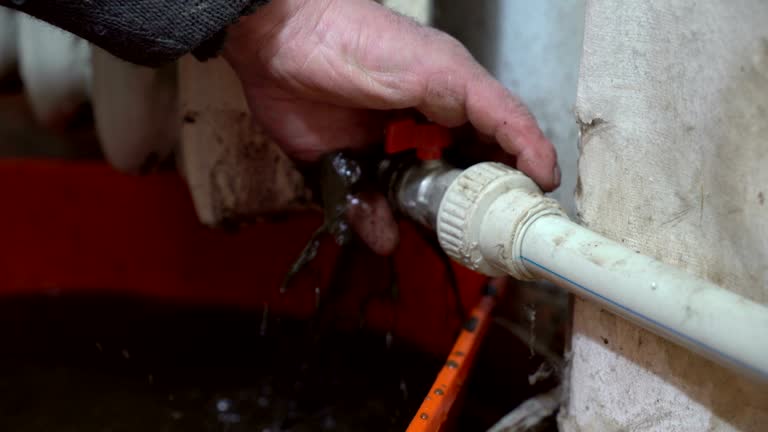
Pipa fleksibel PVC serve as indispensable components across numerous industries due to their remarkable adaptability and practical functionality. These versatile piping solutions offer exceptional performance in diverse applications, from residential plumbing systems to complex industrial processes. This comprehensive guide explores the extensive usage possibilities of PVC flexible pipes, addressing common questions about their practical implementation, examining their fundamental characteristics, and detailing their wide-ranging applications across various sectors. Understanding these multiple usage scenarios will help professionals and homeowners maximize the benefits of these innovative piping solutions in their specific projects and applications.
Pertanyaan yang Sering Diajukan (FAQ)
What are the primary advantages of using PVC flexible pipes in plumbing systems?
PVC flexible pipes offer several significant advantages for plumbing applications. Their flexibility allows easy installation around obstacles without additional fittings, reducing potential leak points. They demonstrate excellent corrosion resistance to water and common chemicals found in plumbing systems. The smooth interior surface ensures optimal flow efficiency, while their lightweight nature makes handling and installation considerably easier than metal alternatives.
Can we use PVC flexible pipes for outdoor applications?
Yes, but with important considerations. While these pipes work well for outdoor irrigation and drainage, prolonged UV exposure can degrade standard PVC formulations. For permanent outdoor installations, users should select UV-resistant grades or provide adequate protection through burial or protective covering. Additionally, temperature fluctuations may affect performance, so proper expansion considerations are necessary.
Are there specific applications where PVC flexible pipes outperform metal pipes?
PVC flexible pipes excel in several specific scenarios. They outperform metal pipes in chemical transport applications due to superior corrosion resistance. They prove ideal for water systems where mineral buildup and rust contamination are concerns. In electrical environments, their non-conductive properties provide safety advantages. They also work better in areas with vibration or movement where rigid pipes might fail.
What types of fluids can PVC flexible pipes safely transport?
These pipes handle various fluids including potable water, wastewater, agricultural chemicals, and many industrial fluids. However, compatibility depends on specific formulations. They work well with acids, bases, and saline solutions that would corrode metal pipes. Users should avoid using them with strong solvents, aromatic hydrocarbons, and essential oils without verifying compatibility first.
How do installation requirements differ from rigid piping systems?
Installation differs significantly from rigid systems. Flexible pipes require different support spacing and may need guidance around bends rather than forced direction changes. They allow for thermal expansion accommodation without special fittings. Installation typically requires fewer tools and less time since bends eliminate many connection points. However, installers must avoid over-bending or kinking during installation.
Definisi Dasar dan Karakteristik Utama
PVC flexible pipes represent a category of thermoplastic conduits manufactured from polyvinyl chloride combined with plasticizing compounds. This combination creates pipes that maintain the beneficial properties of traditional PVC while gaining significant flexibility. The manufacturing process involves precise extrusion techniques that ensure consistent wall thickness and reliable performance characteristics throughout the pipe length.
These pipes possess several defining characteristics that make them suitable for diverse applications. Their flexibility stands as the most notable feature, allowing bending without additional fittings. This flexibility also provides inherent resistance to pressure surges and water hammer effects. The material’s chemical resistance makes it suitable for handling various corrosive substances that would damage metal piping systems.
The smooth interior surface ensures minimal flow resistance, reducing energy requirements for fluid transport. This characteristic also prevents sediment buildup and maintains consistent flow rates over time. The non-conductive nature of the material provides electrical insulation benefits, enhancing safety in various installation environments. Additionally, these pipes demonstrate excellent durability against impact and abrasion during handling and operation.
The lightweight nature of PVC flexible pipes offers significant advantages during installation and transportation. Compared to metal alternatives, they reduce structural support requirements and simplify handling procedures. Their corrosion-resistant properties eliminate need for protective coatings or linings, reducing maintenance requirements and long-term costs. These combined characteristics make them valuable solutions across multiple industries and applications.
Penggunaan Umum dan Industri Aplikasi
The agricultural industry extensively utilizes PVC flexible pipes for various water management applications. Farmers employ them in irrigation systems where flexibility allows adaptation to field contours and crop patterns. They serve in fertilizer and chemical application systems, leveraging their resistance to agricultural chemicals. Dairy and livestock operations use them for water supply and waste management systems due to their durability and chemical resistance.
Industrial applications represent another significant area for PVC flexible pipes. Manufacturing facilities utilize them for chemical processing lines where corrosion resistance is crucial. They serve in wastewater treatment plants for sludge handling and chemical dosing applications. The mining industry employs them for dewatering operations and slurry transport, taking advantage of their abrasion resistance. Food processing plants use FDA-compliant versions for ingredient transfer and processing lines.
Construction industries rely on these pipes for multiple applications including site dewatering, temporary water supply, and concrete pumping. Plumbing contractors use them for drain-waste-vent systems where flexibility simplifies installation in tight spaces. They serve in radiant heating systems and snow melting applications where their flexibility allows efficient layout designs. Landscapers use them for drainage systems and water feature installations.
The aquaculture and marine industries find these pipes ideal for various water management applications. Fish farms use them for water circulation and aeration systems due to their non-toxic properties. Marine installations utilize them for dock water supply and wastewater systems where saltwater resistance is essential. Water parks and recreational facilities employ them for filtration and water circulation systems.
Municipalities and public works departments use PVC flexible pipes for various applications including stormwater management, sewer bypass systems, and water distribution networks. Their ease of installation and durability make them suitable for emergency repair situations and temporary infrastructure needs. The entertainment industry also utilizes them for special effects water systems and temporary installations.
Kesimpulan
PVC flexible pipes offer unparalleled versatility across countless applications and industries. Their unique combination of flexibility, chemical resistance, and durability makes them superior to traditional piping materials in many scenarios. The wide range of available formulations and specifications ensures suitable solutions for virtually any fluid handling requirement, from residential plumbing to industrial processing.
As technology advances, manufacturers continue to develop improved formulations that expand the capabilities and applications of these already versatile products. The ongoing innovation in PVC flexible pipe technology promises even broader usage possibilities and enhanced performance characteristics. These developments will undoubtedly lead to new applications and improved efficiency in fluid handling systems across various sectors.
Understanding the full range of usage possibilities allows professionals and homeowners to make informed decisions about implementing these practical piping solutions. By selecting the appropriate grade and specification for each specific application, users can ensure optimal performance and longevity. The continued evolution of PVC flexible pipe technology will certainly maintain their position as preferred solutions for modern fluid handling challenges across diverse industries and applications.
Hubungi IFAN untuk Katalog dan Sampel
Butuh dokumen teknis, katalog, atau contoh produk? Hubungi IFAN hari ini.
📧 Surel: [email protected]
📱 Whatsapp: +86 19857948982
Tim kami merespons dengan cepat dan menyediakan dukungan profesional untuk semua kebutuhan pipa Anda.
Standar internasional IFAN
Sistem perpipaan IFAN mematuhi berbagai standar internasional untuk memastikan kualitas dan kinerja yang tinggi. Standar ini mencakup ASTM F1974 dan ASTM F1281 untuk sistem perpipaan multilapis, CSA B137 untuk aplikasi perpipaan Kanada, DIN 16836 untuk spesifikasi teknis Jerman, GB18997 untuk standar Cina, dan ISO 21003, yang mencakup sistem perpipaan multilapis yang digunakan untuk instalasi air panas dan dingin. Cakupan sertifikasi yang luas ini menyoroti komitmen IFAN terhadap kepatuhan global dan keandalan produk.























