


Perkenalan
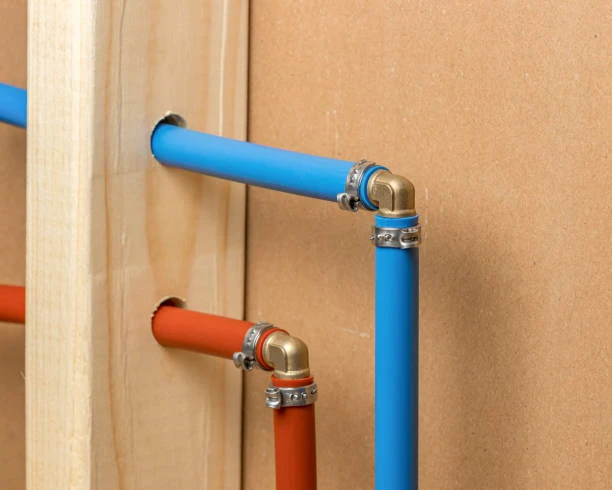
Pipa air PEX have transformed plumbing systems around the world. These cross-linked polyethylene pipes deliver flexibility, durability, and cost efficiency, making them a popular choice for both residential and commercial installations. Among their many advantages, the pressure resistance of PEX pipes stands out as a key feature that supports their long-term reliability. This article explores how PEX water pipes withstand pressure, how they compare to other pipe types, and why they are trusted in modern plumbing systems.
Apa itu Pipa Air PEX?
PEX stands for cross-linked polyethylene. Manufacturers produce PEX by chemically or physically bonding the polyethylene molecules to form a stronger, more resilient material. The result is a pipe that resists heat, chemicals, and mechanical stress. PEX water pipes are available in three main types:
- PEX-A: Made using the peroxide method (Engel method), offering the most flexibility.
- PEX-B: Made using the silane method, known for good burst strength.
- PEX-C: Created through electron beam irradiation, offering a balance of properties.
All types offer reliable performance under pressure, though there are slight differences in behavior under extreme conditions.
Why Pressure Resistance Is Important
Pressure resistance determines whether a pipe can handle the internal force of moving water. When water flows through a pipe, it exerts force against the pipe walls. If the pressure exceeds the pipe’s strength, the pipe can swell, crack, or burst. For this reason, pressure resistance directly affects plumbing system safety, performance, and longevity.
In buildings with complex plumbing or variable water supply pressures, pipes must maintain stability to avoid damage. PEX pipes meet these requirements through intelligent design and strong materials.
Pressure Ratings of PEX Pipes
PEX pipes have specific pressure ratings, which depend on temperature. As temperature increases, pressure resistance decreases. The following are typical ratings for PEX piping:
- 160 psi pada suhu 73°F (23°C)
- 100 psi pada suhu 180°F (82°C)
- 80 psi pada suhu 200°F (93°C)
These ratings are in accordance with ASTM standards. They show that PEX performs well under both cold and hot water conditions. The ratings make PEX suitable for domestic water lines, hydronic heating, and more.
How PEX Pipes Resist Pressure
Cross-Linking Structure
Cross-linking transforms basic polyethylene into a durable thermoset material. The internal structure of PEX resists deformation when subjected to internal pressure. Cross-linked bonds distribute force evenly across the material, reducing weak spots and allowing the pipe to absorb and recover from pressure surges.
Ketebalan Dinding Pipa
PEX pipes come in different SDR (Standard Dimension Ratio) or wall thickness grades. Thicker walls improve pressure resistance. Installers can select different wall types depending on system requirements, with SDR-9 being the most common for pressure water systems.
Material Flexibility
PEX is not rigid like copper or PVC. It can flex slightly in response to pressure fluctuations, preventing cracking or damage during high-flow periods. This elasticity improves burst resistance and makes the pipe more forgiving under dynamic water pressure conditions.
Ketahanan terhadap Water Hammer
Water hammer occurs when water suddenly stops or changes direction, creating a shock wave. PEX pipes absorb this shock much better than rigid pipes due to their flexibility. This ability reduces long-term stress on the system and enhances safety.
Pressure Resistance Compared to Other Pipe Types
PEX vs. Tembaga
Copper pipes offer high pressure resistance but are vulnerable to corrosion and pinhole leaks, especially in aggressive water conditions. PEX resists corrosion and scaling, maintaining strength and internal diameter over time. While copper can handle high pressures, PEX does so with added flexibility and reduced installation complexity.
PEX vs. CPVC
CPVC pipes offer decent pressure performance but are more brittle than PEX. Under stress, CPVC may crack or split. PEX can withstand sudden surges and mechanical impacts better due to its flexibility. This makes PEX more suitable for areas where pressure may fluctuate.
PEX dan PVC
PVC is generally used for cold water systems and cannot handle the same temperature and pressure combinations as PEX. PEX is designed for pressurized hot and cold water lines and performs reliably under thermal and mechanical stress, unlike PVC.
Applications That Require Pressure-Resistant Pipes
Sistem Penyediaan Air Rumah Tangga
In homes, PEX carries water under pressure to showers, faucets, and appliances. Water pressure in these systems may vary, so PEX’s ability to resist pressure ensures reliable and leak-free operation.
Sistem Pemanasan Hidronik
These systems use pressurized hot water to heat floors and rooms. PEX pipes transport heated water under moderate pressure, requiring stable, pressure-resistant piping to avoid failures.
Commercial Plumbing Networks
Larger buildings often experience more water pressure variation due to pump systems, multiple fixtures, and longer pipe runs. PEX pipes accommodate these variations without losing performance or requiring extensive reinforcement.
Sistem Irigasi
PEX can also be used for high-efficiency irrigation systems. These systems require pipes that handle fluctuating pressure due to valve openings and closings. PEX offers long-term performance even in outdoor or underground installations.
Safety Factors in PEX Design
Burst Pressure
PEX pipes have a burst pressure significantly higher than their working pressure ratings. In fact, most PEX pipes can handle short-term pressure spikes up to 475 psi at 73°F without failure. This gives a wide safety margin during normal operation.
Pressure Testing During Installation
PEX systems are pressure-tested after installation to ensure they can handle the required loads. Installers pressurize the system and monitor for leaks or pressure drops. Successful testing confirms that the system is properly sealed and pressure-resistant.
Certification Standards
PEX water pipes meet several industry standards that certify their pressure capabilities:
- ASTM F876: Standard for PEX tubing
- ASTM F877: Covers pressure-rated PEX systems
- NSF 61 and 14: For health effects and system integrity
- Kode CSA B137.5: Canadian standard for pressure piping systems
These certifications ensure that PEX products deliver consistent performance and safety under pressure.
Installation Considerations That Affect Pressure Performance
Proper Fitting Selection
PEX systems use different fittings, such as crimp, clamp, push-to-connect, and expansion fittings. Poorly installed fittings can leak or fail under pressure. Using quality fittings and proper installation techniques ensures pressure resistance throughout the system.
Avoiding Over-Bending
PEX is flexible, but excessive bending or sharp turns can weaken the pipe wall and compromise pressure resistance. Installers should follow the manufacturer’s bend radius guidelines to maintain structural integrity.
Support and Anchoring
PEX pipes must be properly supported to prevent sagging or movement that could stress the system under pressure. Pipe hangers and straps reduce movement, protect against vibrations, and preserve long-term strength.
Temperature-Pressure Relationship
Always consider the relationship between operating temperature and pressure rating. At higher temperatures, the pipe’s pressure resistance drops. For example, a pipe rated at 160 psi at 73°F may only be rated for 80 psi at 200°F. System designers should account for this variation.
Long-Term Durability Under Pressure
PEX water pipes are built for long-term performance. Even after years of continuous pressure and temperature cycling, properly installed PEX retains its structural integrity. The material does not corrode, flake, or lose shape like some metals and plastics. This longevity reduces repair costs and system downtime over the life of the installation.
Environmental Factors Affecting Pressure Resistance
Paparan Bahan Kimia
PEX resists most common chemicals in potable water. However, exposure to aggressive chemicals (such as petroleum-based products or strong acids) may weaken the pipe. Installers should avoid placing PEX near such substances.
Paparan UV
PEX degrades under prolonged sunlight exposure. UV damage can compromise strength and pressure performance. Always store and install PEX away from direct sunlight or use protective sleeves where needed.
Freezing Conditions
PEX can expand when frozen, reducing the risk of bursting. Although not directly related to internal water pressure, this feature protects against pressure buildup caused by ice formation. It further enhances system reliability in cold climates.
Common Myths About PEX and Pressure
Myth: PEX Cannot Handle High Water Pressure
Fact: PEX is pressure-rated up to 160 psi at room temperature, making it suitable for most residential and commercial systems.
Myth: PEX Fittings Are the Weakest Point
Fact: When installed correctly, modern PEX fittings are designed to handle the same pressures as the pipe itself. Manufacturer instructions should always be followed for best results.
Myth: Flexible Pipes Are Less Durable
Fact: Flexibility improves performance under pressure surges. PEX absorbs force rather than cracking or splitting, enhancing durability over time.
Innovations in Pressure-Resistant PEX Systems
Manufacturers continue to improve PEX piping systems. New fitting designs reduce installation time while enhancing pressure resistance. Reinforced multilayer PEX pipes offer even greater strength for high-pressure commercial applications. As technology advances, pressure performance continues to improve.
Kesimpulan
PEX water pipes offer impressive pressure resistance that supports their use in a wide range of plumbing applications. Through their cross-linked structure, flexible design, and high burst strength, PEX pipes provide reliable service in both low and high-pressure environments. Compared to traditional materials, PEX delivers long-lasting performance, ease of installation, and system safety.
By selecting high-quality PEX products and following correct installation practices, builders and homeowners can enjoy safe, leak-free water systems that stand the test of time. Whether for residential supply lines, commercial plumbing, or heating systems, the pressure resistance of PEX water pipes makes them an outstanding choice for modern infrastructure.
Standar internasional IFAN
Produk IFAN mematuhi berbagai standar internasional dan nasional, yang menjamin kualitas dan kinerja yang tinggi. Standar-standar ini mencakup ISO 15875, GB/T 18992, DIN 16892, ASTM F877, ASTM F2788, BS 7291, BS EN ISO 15875, dan CSA B137, dan lain-lain. Dengan memenuhi persyaratan yang ketat ini, IFAN menjamin keandalan, keamanan, dan kompatibilitas di berbagai pasar dan aplikasi.
Kontak
IFAN adalah produsen profesional dengan pengalaman 30 tahun, yang berdedikasi untuk memproduksi pipa, fitting, dan katup plastik berkualitas tinggi. Produk kami meliputi katup kuningan, katup PPR, serta berbagai pipa dan fitting untuk memenuhi berbagai kebutuhan pelanggan. Baik Anda memerlukan pipa ledeng dan drainase atau produk katup, IFAN dapat menyediakan berbagai macam produk berkualitas tinggi dan hemat biaya untuk mendukung proyek Anda. Berikut adalah informasi kontak kami.
Kami akan membalas email atau faks Anda dalam waktu 24 jam.
Anda dapat menghubungi kami kapan saja jika ada pertanyaan tentang produksi kami.
Untuk informasi lebih lanjut, silakan kunjungi situs web kami https://www.ifanplus.com/
Silakan Kirim Email ke: [email protected]
Telepon Whatsapp: + 86 19857948982























