


Perkenalan
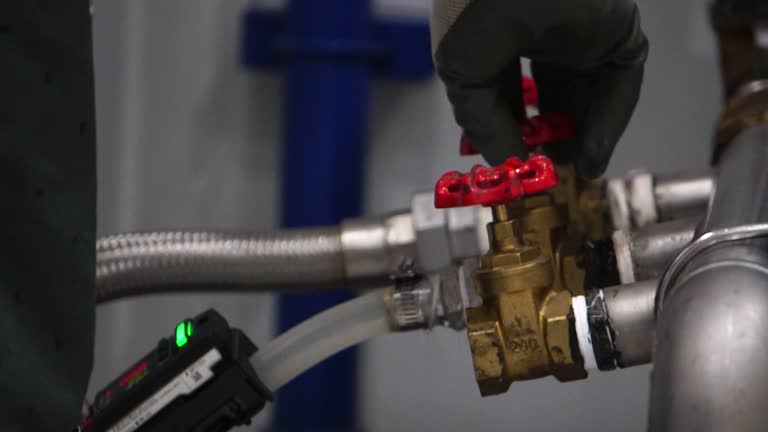
Katup kuningan tahan lama serve as essential components in plumbing, HVAC systems, and industrial piping networks. Their reliability and long service life depend not only on the material used but also on the manufacturing process. High-quality manufacturing ensures each brass valve meets precise standards for pressure resistance, leak prevention, and corrosion durability.
This article explores the complete manufacturing process of durable brass valves, from material selection to final quality testing. Understanding how manufacturers create these valves reveals why they maintain exceptional performance across years of demanding use.
Why Brass Is Ideal for Durable Valves
Before discussing the manufacturing steps, it’s important to understand why brass remains the material of choice for durable valves:
- Ketahanan korosi in water, gas, and mild chemicals
- Excellent machinability for precise valve components
- Stabilitas termal for high and low temperature environments
- Long-term mechanical strength
- Recyclability and sustainability
Brass combines these characteristics, making it a reliable base material for valves that endure years of operation without failure.
Step 1: Brass Material Selection and Preparation
Komposisi Paduan
Manufacturers begin by choosing the appropriate brass alloy. The most common alloys for valves include:
- CW617N – suitable for hot-press forging
- C37700 – widely used for machining
- CW602N – used in dezincification-resistant applications
The alloy composition is crucial. It affects the valve’s corrosion resistance, strength, and machinability.
Raw Material Form
Brass is typically received in the form of bars, billets, or slugs. The size and shape depend on the forming process selected—either machining from solid or hot forging.
Step 2: Forging or Casting the Valve Body
Hot Forging
Forging improves the internal grain structure of brass, making the valve body stronger. The process includes:
- Heating the brass billet to 700–750°C
- Inserting the heated billet into a forging die
- Applying high-pressure force to shape the valve body
- Trimming excess flash material after forming
Hot forging enhances strength and reduces porosity. Most durable brass valves use this method for the main body.
Sand Casting (Alternative Method)
Some larger or less pressure-sensitive brass valves are made through sand casting. This involves:
- Creating a sand mold based on the valve shape
- Pouring molten brass into the mold
- Allowing it to cool and solidify
- Removing the sand mold and cleaning the casting
Sand casting suits low-quantity production or complex shapes but does not offer the same strength as forging.
Step 3: Precision Machining
After forming the rough valve body, manufacturers use precision machining to create exact internal and external dimensions.
CNC Machining
Computer Numerical Control (CNC) machines cut threads, ports, and sealing surfaces. Key operations include:
- Boring internal valve chambers
- Pemasangan benang inlet and outlet ports
- Facing sealing areas for gasket contact
- Drilling passageways for fluid flow
CNC machining ensures repeatable accuracy and smooth surfaces that improve valve sealing and performance.
Tight Tolerances
Machining achieves tolerances of ±0.01 mm or better. These tight tolerances prevent leaks, ensure pressure containment, and allow easy part interchangeability.
Step 4: Surface Finishing
Surface finishing improves the appearance, corrosion resistance, and cleanliness of brass valves.
Memoles
Manufacturers polish brass components to remove burrs and rough surfaces. Polishing creates a smooth exterior and prepares the surface for any further treatment.
Plating or Coating
Some valves receive protective coatings such as:
- Nickel plating for enhanced corrosion protection
- Chrome plating for decorative purposes
- Epoxy coating for chemical resistance
These coatings increase surface durability, especially in aggressive environments.
Step 5: Assembly of Valve Components
The valve body is combined with internal components to create a functional unit.
Core Components
Most brass valves contain:
- Tangkai – connects to the handle for flow control
- Ball or disc – regulates fluid flow
- Seats and seals – made from PTFE, rubber, or elastomers
- Handle or actuator – provides manual or automatic control
Assembly technicians place these components precisely to ensure proper alignment and function.
Fastening and Sealing
Threaded connections, O-rings, and press-fit parts ensure that components stay securely in place. Some valves may include retaining pins or locking rings for extra reliability.
Step 6: Quality Control and Testing
Manufacturers conduct strict inspections to verify that each brass valve meets safety and performance standards.
Inspeksi Dimensi
Technicians measure valve dimensions using calipers, micrometers, and gauges. Every valve must conform to design drawings and tolerances.
Pengujian Tekanan
Valves undergo hydrostatic or pneumatic pressure testing to ensure they do not leak. Test pressure typically exceeds the working pressure by a factor of 1.5 to 2.
Leak Testing
Air or water leak detection systems identify tiny imperfections. Even microscopic leaks can cause system failures over time.
Function Testing
Technicians open and close each valve to check:
- Handle movement
- Sealing performance
- Flow control
This functional testing guarantees performance before the valve leaves the factory.
Step 7: Marking and Packaging
Marking
Each valve receives product identification, including:
- Manufacturer name or logo
- Material grade
- Size and pressure rating
- Certification marks if applicable
Laser or stamp marking ensures traceability and compliance.
Kemasan
To prevent damage during shipping, manufacturers use:
- Individual protective bags
- Foam padding or cardboard boxes
- Palletizing for bulk shipments
Proper packaging ensures the valve remains in perfect condition until installation.
Advanced Manufacturing Technologies
Robotic Assembly
Some modern factories use robotic arms for precision assembly. This reduces human error and increases production speed.
Automated Inspection
Machine vision systems inspect valve surfaces and dimensions faster and more accurately than manual inspection.
3D Simulation
Engineers use software to simulate fluid flow and mechanical stress inside valves before manufacturing. This helps optimize design for durability.
Environmental Considerations in Manufacturing
Brass Recycling
Most brass used in valves comes from recycled sources. Brass scrap is melted, purified, and reformed into billets. This sustainable process reduces energy use and environmental impact.
Pengurangan Limbah
Modern manufacturing plants reuse water and minimize scrap. CNC machines operate with high efficiency to reduce material waste.
Compliance with Environmental Standards
Manufacturers follow regulations such as:
- RoHS – Restriction of hazardous substances
- REACH – Registration, Evaluation, and Authorization of Chemicals
- ISO 14001 – Environmental management system certification
These ensure that durable brass valve production remains environmentally responsible.
Benefits of a High-Quality Manufacturing Process
Daya Tahan Jangka Panjang
A well-manufactured brass valve resists corrosion, deformation, and wear over decades of use.
Keamanan dan Keandalan
Precise machining and thorough testing reduce the risk of leaks, blowouts, or mechanical failure.
Consistent Performance
Even under extreme pressure and temperature, a properly built valve maintains smooth, predictable operation.
Efisiensi Biaya
Though high-quality manufacturing may increase initial costs, the long lifespan of durable brass valves lowers long-term replacement and repair expenses.
Kesimpulan
The durability of brass valves depends on every step of the manufacturing process. From alloy selection to forging, machining, assembly, and testing, each phase contributes to performance and longevity.
Skilled workers, modern equipment, and strict quality control ensure that every durable brass valve meets or exceeds industry expectations. When manufactured correctly, these valves deliver years—sometimes decades—of flawless service in plumbing, gas, industrial, and HVAC systems.
Investing in brass valves built through precise and reliable manufacturing processes ensures better system performance, safety, and value. As a result, durable brass valves continue to be a trusted choice across industries worldwide.
Standar internasional IFAN
Pipa dan fitting kompresi HDPE IFAN mematuhi berbagai standar internasional, yang menjamin kinerja tinggi dan kompatibilitas global. Standar-standar ini meliputi ASTM D3035 dan ASTM D3350 dari Amerika Serikat, seri ISO 4427 dan seri EN 12201 dari Eropa, DIN 8074/8075 dari Jerman, seri GB/T 13663 dari Tiongkok, AS/NZS 4130 dari Australia dan Selandia Baru, JIS K6760 dari Jepang, BS 6572 dari Inggris Raya, dan CSA B137.1 dari Kanada. Kepatuhan terhadap standar-standar ini menjamin sifat mekanis yang sangat baik, ketahanan kimia, dan daya tahan jangka panjang di berbagai aplikasi pasokan air dan industri.
Kontak
IFAN adalah produsen profesional dengan pengalaman 30 tahun, yang berdedikasi untuk memproduksi pipa, fitting, dan katup plastik berkualitas tinggi. Produk kami meliputi katup kuningan, katup PPR, serta berbagai pipa dan fitting untuk memenuhi berbagai kebutuhan pelanggan. Baik Anda memerlukan pipa ledeng dan drainase atau produk katup, IFAN dapat menyediakan berbagai macam produk berkualitas tinggi dan hemat biaya untuk mendukung proyek Anda. Berikut adalah informasi kontak kami.
Kami akan membalas email atau faks Anda dalam waktu 24 jam.
Anda dapat menghubungi kami kapan saja jika ada pertanyaan tentang produksi kami.
Untuk informasi lebih lanjut, silakan kunjungi situs web kami https://www.ifanplus.com/
Silakan Kirim Email ke: [email protected]
Telepon Whatsapp: + 86 19857948982























