


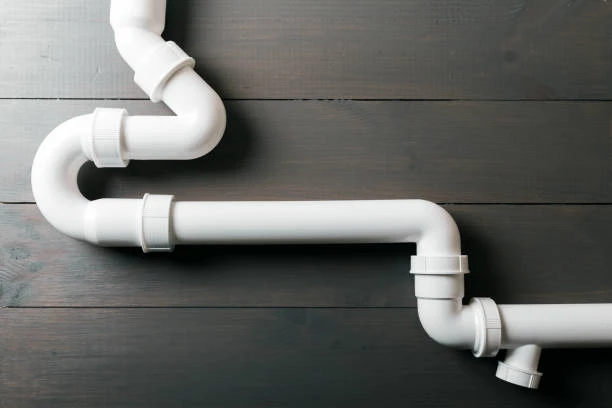
Pipa ledeng PVC have become a fundamental component in modern construction and water management systems worldwide. Their versatility, durability, and cost-effectiveness make them a preferred choice for both residential and industrial applications. This article provides a detailed overview of PVC plumbing pipes, covering their fundamental characteristics, wide range of uses, and answers to frequently asked questions. Whether you are a homeowner planning a renovation or a professional in the construction industry, this guide will help you understand why PVC pipes are so widely trusted and how they can meet various plumbing needs.
What Are PVC Plumbing Pipes? Definition and Key Features
PVC, or polyvinyl chloride, is a synthetic plastic polymer widely used in the production of pipes and fittings. These pipes are manufactured through an extrusion process, resulting in a rigid and strong product suitable for a variety of applications. One of the most notable features of PVC pipes is their high resistance to corrosion and chemical damage. Unlike metal pipes, they do not rust or deteriorate when exposed to water or aggressive substances, ensuring long-term performance and minimal maintenance.
Another important characteristic is their smooth interior surface, which reduces friction and allows efficient water flow. This feature helps prevent clogging and buildup, making these pipes ideal for drainage and sewage systems. Additionally, PVC pipes are lightweight, making them easier to handle, transport, and install compared to traditional materials like iron or copper. Their installation is further simplified through the use of solvent welding, which creates strong and leak-proof joints. PVC also offers excellent insulation properties and is inherently fire-resistant, adding to its safety and versatility.
Common Applications and Industries Using PVC Pipes
PVC plumbing pipes are used in a wide variety of settings due to their adaptability and reliability. In residential construction, they are commonly employed in drainage, waste, and vent (DWV) systems. Their smooth inner walls facilitate the efficient movement of wastewater, reducing the risk of blockages. They are also used in potable water systems, providing a safe and clean channel for drinking water thanks to their non-reactive nature.
Beyond households, PVC pipes play a crucial role in agriculture, where they are used in irrigation systems to distribute water efficiently across fields. Their durability and resistance to chemicals make them suitable for this demanding environment. The industrial sector also relies heavily on PVC pipes for transporting process water, chemicals, and other fluids. Moreover, these pipes are used in municipal infrastructure, including stormwater management and sewer systems. Their cost-effectiveness and long service life make them a practical choice for large-scale projects.
Frequently Asked Questions (FAQ) About PVC Plumbing Pipes
- Are PVC pipes safe for drinking water?
Yes, PVC pipes certified under international standards such as NSF/ANSI 61 are safe for potable water applications. They do not impart taste or odor to water and are resistant to biofilm formation, ensuring water remains clean. - What is the difference between PVC and uPVC pipes?
PVC pipes often contain plasticizers to make them more flexible, while uPVC (unplasticized PVC) is rigid and often used in construction for water supply and drainage. uPVC is generally stronger and more suitable for pressure applications. - How long do PVC pipes last?
With proper installation and usage, PVC pipes can last or more. Their resistance to environmental and chemical degradation contributes to their extended lifespan. - Can PVC pipes be used for hot water?
Standard PVC pipes are not designed for hot water applications, as high temperatures can cause softening and deformation. For hot water, CPVC (chlorinated polyvinyl chloride) pipes are a more suitable alternative. - How are PVC pipes connected?
The most common method is solvent welding, where a primer and solvent cement are applied to create a permanent bond. Mechanical fittings are also used in certain situations for easier disassembly.
Kesimpulan
PVC plumbing pipes offer an exceptional combination of durability, efficiency, and affordability, making them a staple in both residential and industrial plumbing systems. Their resistance to corrosion, ease of installation, and smooth flow characteristics make them superior to many traditional alternatives. From supplying clean drinking water to managing waste and supporting agricultural irrigation, PVC pipes continue to prove their versatility and reliability. As technology and materials evolve, PVC remains a trusted and sustainable choice for meeting the world’s plumbing needs. Whether for a small home repair or a large infrastructure project, these pipes provide a practical and long-lasting solution.
Kesimpulan
In summary, PVC plumbing pipes represent a remarkable combination of durability, efficiency, and affordability that has revolutionized modern plumbing. Their unique properties, including corrosion resistance, smooth interior walls, and lightweight nature, make them superior to many traditional materials. From ensuring smooth drainage in our homes to supporting large-scale agricultural and industrial projects, the applications for PVC pipes are virtually limitless. By addressing common concerns about safety and usage, we can see that PVC is a reliable and future-proof solution for a wide range of plumbing needs. When you choose PVC, you are investing in a system designed to provide trouble-free service for generations to come.
Hubungi IFAN untuk Katalog dan Sampel
Butuh dokumen teknis, katalog, atau contoh produk? Hubungi IFAN hari ini.
📧 Surel: [email protected]
📱 Whatsapp: +86 19857948982
Tim kami merespons dengan cepat dan menyediakan dukungan profesional untuk semua kebutuhan pipa Anda.
Standar internasional IFAN
Sistem perpipaan IFAN mematuhi berbagai standar internasional untuk memastikan kualitas dan kinerja yang tinggi. Standar ini mencakup ASTM F1974 dan ASTM F1281 untuk sistem perpipaan multilapis, CSA B137 untuk aplikasi perpipaan Kanada, DIN 16836 untuk spesifikasi teknis Jerman, GB18997 untuk standar Cina, dan ISO 21003, yang mencakup sistem perpipaan multilapis yang digunakan untuk instalasi air panas dan dingin. Cakupan sertifikasi yang luas ini menyoroti komitmen IFAN terhadap kepatuhan global dan keandalan produk.























