


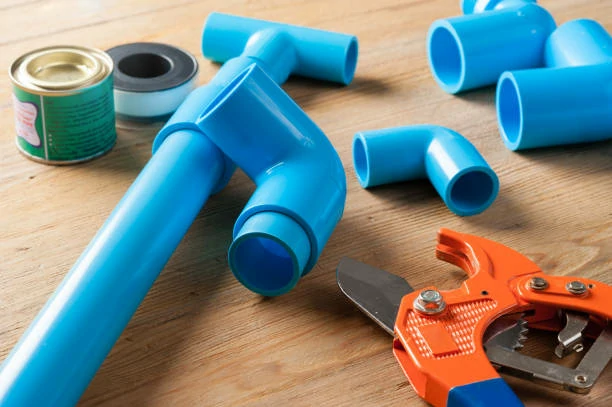
A pemotong tabung’s structure plays a critical role in its functionality and performance. By understanding its components and how they work together, designers and users can better appreciate the tool’s efficiency. This article explores the structure of a tube cutter, detailing each part and its contribution to the overall design.
The Blade
The blade serves as the core of the tube cutter’s structure. Its sharp edge ensures clean, precise cuts through various materials like metal, plastic, or rubber. Engineers design the blade with high-strength materials such as hardened steel or tungsten carbide to maintain sharpness over extended use. The blade typically features a circular or straight shape, depending on the cutter type. Circular blades rotate around the tube, while straight blades cut through with a scissor-like motion.
To enhance cutting performance, the blade often includes an angled edge. This feature reduces resistance during cutting, making it easier to slice through hard materials. A groove along the blade edge can also help guide the cut, ensuring accuracy. The blade attaches securely to the cutter’s frame, aligning perfectly with the tube to prevent uneven cuts.
The Frame
The frame provides the structural backbone of the tube cutter. It holds all components in place, ensuring stability during operation. Manufacturers often construct the frame from lightweight yet durable materials such as aluminum, stainless steel, or reinforced plastic. Aluminum frames combine strength with portability, while stainless steel offers resistance to corrosion and wear.
The frame’s design typically includes an ergonomic shape to improve handling. Curved edges and smooth finishes ensure comfort during prolonged use. For added convenience, some frames include a foldable or retractable design, reducing the tool’s size for easy storage.
The Handle
The handle forms the interface between the user and the tool. It transfers force from the user’s hand to the cutting blade, making its design crucial for efficiency and comfort. Designers often use textured materials like rubber or silicone to provide a secure grip, even in wet or oily conditions. Contoured shapes fit naturally in the hand, reducing strain during repetitive use.
In some tube cutters, the handle includes a ratcheting mechanism. This feature allows users to apply force incrementally, making it easier to cut through thick or tough materials. A locking system within the handle can keep the cutter closed when not in use, enhancing safety and preventing accidental injuries.
The Cutting Wheel Assembly
The cutting wheel assembly holds the blade and allows precise adjustments during cutting. This assembly includes a rotating wheel or slider that moves the blade smoothly along the tube’s surface. Engineers often incorporate a tension adjustment feature in the assembly, enabling users to control the blade’s pressure on the tube. This flexibility ensures clean cuts without deforming the tube.
Some tube cutters feature multiple cutting wheels, allowing the tool to tackle thicker or harder materials. In these designs, the assembly positions each wheel to distribute force evenly, reducing stress on the cutter and improving durability.
The Adjustment Knob
The adjustment knob controls the cutter’s opening size, enabling it to accommodate tubes of different diameters. Users turn the knob to move the cutting blade closer to or farther from the tube. A threaded mechanism connects the knob to the frame, ensuring smooth and precise adjustments.
Knobs often include markings or indicators that show the current setting. These markings help users select the correct size quickly, reducing the risk of errors. Designers usually place the knob within easy reach, allowing one-handed adjustments during operation.
The Clamping Mechanism
The clamping mechanism stabilizes the tube during cutting, ensuring accuracy and safety. This mechanism typically includes a set of jaws or a vise that grips the tube firmly. Spring-loaded clamps adjust automatically to the tube’s size, while screw-driven clamps provide manual control for fine-tuning.
Clamping jaws often feature rubber or silicone pads to prevent scratches or damage to the tube’s surface. In advanced designs, the mechanism can rotate, allowing users to cut tubes from different angles without repositioning the tool.
The Guide Rail
The guide rail ensures the blade moves along a straight path during cutting. It aligns the blade with the tube, reducing the risk of uneven or angled cuts. Engineers design the rail to withstand the pressure generated during cutting, using materials like hardened steel or reinforced plastic.
Some tube cutters include adjustable guide rails that adapt to different tube sizes and shapes. These rails improve versatility, allowing the cutter to handle a broader range of applications. In precision tools, the guide rail may feature built-in measurement markings, helping users cut tubes to specific lengths without additional tools.
The Spring Mechanism
The spring mechanism provides tension and helps the cutter return to its original position after a cut. This component typically connects the handle to the blade assembly, ensuring smooth operation and reducing user effort. High-quality springs made from tempered steel ensure durability and consistent performance.
In ratcheting tube cutters, the spring mechanism works with the ratchet to allow incremental cutting. Each ratchet click moves the blade slightly closer to the tube, making the process more controlled and less strenuous.
The Safety Lock
The safety lock prevents unintended blade movement, enhancing user safety. This lock often takes the form of a simple latch or button located near the handle. When engaged, the lock holds the blade in a closed position, reducing the risk of accidental cuts during storage or transport.
Some designs include an automatic locking feature that activates when the cutter is not in use. This innovation provides an additional layer of safety, especially in busy or shared workspaces.
Additional Features
Many modern tube cutters include extra features to improve functionality and user experience. Built-in measurement tools, such as laser guides or rulers, allow precise cuts without separate measuring devices. Storage compartments for spare blades keep replacements readily available. Some cutters also integrate a deburring tool, enabling users to smooth tube edges immediately after cutting.
For portable use, compact tube cutters may include belt clips or carrying cases. These accessories make it easy to transport the tool to different job sites. Advanced models may incorporate electronic displays or sensors that monitor cutting progress and provide feedback in real time.
Kesimpulan
The structure of a tube cutter combines functionality, durability, and ergonomics to meet diverse user needs. Each component, from the blade to the safety lock, plays a specific role in ensuring precision and efficiency. By understanding these structural elements, designers can create tools that perform reliably in both professional and DIY applications. Through thoughtful design and innovation, the tube cutter continues to evolve, meeting the demands of modern users while maintaining its core purpose.
Pemasok Pemotong Tabung Teratas
| Nama perusahaan | Kantor Pusat/Lokasi | Tahun Berdiri |
| JIKA | ZhuJi, Tiongkok | 1993 |
| Perusahaan Celanese | Irving, Texas, di Amerika Serikat | 1921 |
| Turun | Midland, Michigan, di Amerika Serikat | 1897 |
| JM Elang | Livingston, New Jersey | 1982 |
| Perusahaan Pipa Plastik Cresline | Mechanicsburg, Pennsylvania, Dewan Bluffs, Iowa, Korsika, Texas | 1949 |
Standar internasional IFAN
Produk-produk IFAN mematuhi berbagai standar yang diakui secara internasional, yang menjamin kualitas dan kinerja dalam berbagai aplikasi. Standar-standar ini meliputi standar seri ISO 15874, yang menguraikan spesifikasi untuk sistem perpipaan plastik; standar seri EN 15874, yang mencakup persyaratan untuk pipa dan fitting polietilena (PE) dalam sistem distribusi air; ASTM F2389, yang menetapkan standar untuk sistem perpipaan polietilena ikatan silang (PEX); DIN 8077/8078, yang membahas dimensi dan pengujian pipa plastik; standar seri GB/T 18742, yang merupakan standar nasional Tiongkok untuk pipa dan fitting plastik; dan NBR 15884, standar Brasil untuk sistem perpipaan PE dan PEX. Sertifikasi-sertifikasi ini menunjukkan komitmen IFAN untuk menyediakan produk-produk yang andal dan berkualitas tinggi sesuai dengan standar industri global.
Kontak
IFAN adalah produsen profesional dengan pengalaman 30 tahun, yang berdedikasi untuk memproduksi pipa, fitting, dan katup plastik berkualitas tinggi. Produk kami meliputi katup kuningan, katup PPR, serta berbagai pipa dan fitting untuk memenuhi berbagai kebutuhan pelanggan. Baik Anda memerlukan pipa ledeng dan drainase atau produk katup, IFAN dapat menyediakan berbagai macam produk berkualitas tinggi dan hemat biaya untuk mendukung proyek Anda. Berikut adalah informasi kontak kami.
Kami akan membalas email atau faks Anda dalam waktu 24 jam.
Anda dapat menghubungi kami kapan saja jika ada pertanyaan tentang produksi kami.
Untuk informasi lebih lanjut, silakan kunjungi situs web kami https://www.ifanplus.com/
Silakan Kirim Email ke: [email protected]
Telepon Whatsapp: + 86 19857948982























