


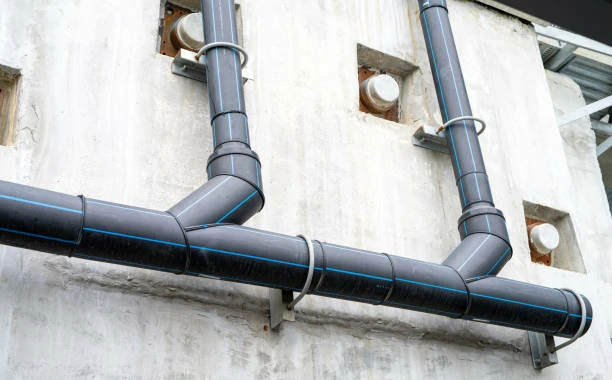
High-Density Polyethylene (HDPE) pipes have become indispensable in various industries due to their exceptional properties and versatility. However, to ensure the safe and effective use of them, adhering to specific standards is crucial. This essay will explore the various standards governing the use of them, covering aspects such as material specifications, installation practices, testing methods, and environmental considerations.
Material Specifications
Industries must follow stringent material specifications when selecting HDPE pipes. The ASTM International (formerly known as the American Society for Testing and Materials) provides several standards for them. For instance, ASTM D3350 specifies the standard classification for polyethylene plastic pipe materials. This standard outlines the material’s physical properties, including density, melt index, and tensile strength, ensuring that the HDPE pipes used in industrial applications possess the necessary qualities for performance and durability.
Another important standard, ASTM F2619, covers the specifications for high-density polyethylene (PE) line pipes used in oil and gas gathering. This standard ensures that HDPE pipes used in the energy sector can withstand the demanding conditions typical of these environments.
Praktik Instalasi
Proper installation of HDPE pipes is critical to ensuring their longevity and performance. The Plastic Pipe Institute (PPI) provides comprehensive guidelines for the installation of them. PPI’s Handbook of Polyethylene Pipe serves as a valuable resource, offering detailed instructions on handling, joining, and installing HDPE pipes.
One key aspect of HDPE pipe installation involves jointing methods. Industries often use butt fusion and electrofusion techniques to join HDPE pipes. The ASTM F2620 standard outlines the proper procedures for heat fusion joining of polyethylene pipe and fittings. This standard ensures that technicians perform jointing correctly, preventing leaks and ensuring a robust and reliable pipeline system.
Trench preparation and pipe laying also follow specific standards. The American Water Works Association (AWWA) provides standards such as AWWA C906, which details the design and installation of polyethylene (PE) pressure pipes. This standard covers aspects like trench depth, bedding material, and backfilling procedures, ensuring that HDPE pipes are installed securely and efficiently.
Metode Pengujian
To guarantee the integrity and performance of them, industries must adhere to rigorous testing methods. Several standards govern the testing of them, ensuring they meet the required specifications before and after installation.
The ASTM D1598 and ASTM D1599 standards provide guidelines for conducting pressure tests on plastic pipes. ASTM D1598 covers the time-to-failure of plastic pipe under constant internal pressure, while ASTM D1599 outlines the short-term hydraulic pressure resistance of plastic pipe. These tests help determine the pipe’s ability to withstand internal pressures over time.
Additionally, the ASTM F2164 standard specifies the field leak testing of polyethylene (PE) pressure piping systems using hydrostatic pressure. This test ensures that the installed HDPE pipes do not have any leaks, verifying the integrity of the joints and the overall pipeline system.
Pertimbangan Lingkungan
Environmental considerations play a significant role in the standards governing HDPE pipe usage. Industries must ensure that their practices align with environmental regulations and sustainability goals. The use of HDPE pipes aligns well with these objectives due to their recyclability and long lifespan.
The Environmental Protection Agency (EPA) in the United States provides guidelines and standards for the environmental impact of HDPE pipes. For instance, the EPA’s guidelines on stormwater management encourage the use of HDPE pipes for their ability to handle large volumes of water while minimizing environmental impact. HDPE pipes’ resistance to corrosion and chemical reactions makes them suitable for various environmental conditions, reducing the need for frequent replacements and minimizing waste.
Industries also follow standards for the disposal and recycling of HDPE pipes. The ASTM D5033 standard provides guidelines for the recycling of plastics from durable goods, including HDPE pipes. By adhering to these standards, industries can ensure that they manage their waste responsibly, contributing to environmental sustainability.
Industry-Specific Standards
Different industries have specific standards for using HDPE pipes, tailored to their unique requirements. For instance, the mining industry follows standards such as the Australian Standard AS 4130, which specifies the requirements for polyethylene (PE) pipes used in mining applications. This standard ensures that HDPE pipes used in mining operations can withstand the abrasive materials and harsh conditions typical of these environments.
Similarly, the gas industry adheres to standards like the International Organization for Standardization (ISO) 4437, which outlines the requirements for polyethylene pipes used in gas distribution systems. This standard ensures that HDPE pipes used for gas transport meet safety and performance criteria, reducing the risk of leaks and ensuring a reliable gas supply.
The water supply industry relies on standards such as the AWWA C901 and C906, which provide guidelines for the use of HDPE pipes in potable water applications. These standards ensure that HDPE pipes used in water distribution systems do not contaminate the water supply and can withstand the pressures and environmental conditions typical of these systems.
Future Trends in HDPE Pipe Standards
As industries evolve and new technologies emerge, standards for HDPE pipes will continue to adapt. The increasing emphasis on sustainability and environmental responsibility will drive the development of new standards that prioritize the use of recycled materials and energy-efficient manufacturing processes.
Advancements in smart technology will also influence HDPE pipe standards. The integration of sensors and monitoring systems into HDPE pipelines will require new guidelines to ensure the compatibility and effectiveness of these technologies. Standards will evolve to address the installation, maintenance, and data management aspects of smart HDPE pipelines, enhancing their performance and reliability.
Moreover, the growing focus on climate resilience will impact HDPE pipe standards. Industries will need to follow guidelines that ensure HDPE pipes can withstand extreme weather conditions and natural disasters. These standards will help industries build resilient infrastructure capable of adapting to changing environmental conditions.
Kesimpulan
In conclusion, the use of them in the industrial sector relies heavily on adhering to established standards. These standards cover material specifications, installation practices, testing methods, and environmental considerations, ensuring the safe and effective use of them across various applications. By following these standards, industries can maximize the performance and longevity of their HDPE pipelines while contributing to environmental sustainability. As technology and industry needs evolve, standards for HDPE pipes will continue to adapt, driving innovation and ensuring the continued success of HDPE pipes in the industrial sector.
Kontak
JIKA adalah produsen profesional dengan pengalaman 30 tahun, yang didedikasikan untuk memproduksi pipa, fitting, dan katup plastik berkualitas tinggi. Produk kami meliputi katup kuningan, katup PPR, serta berbagai pipa dan fitting untuk memenuhi berbagai kebutuhan pelanggan. Baik Anda membutuhkan pipa ledeng dan drainase atau produk katup, JIKA dapat menyediakan berbagai macam produk berkualitas tinggi dan hemat biaya untuk mendukung proyek Anda. Berikut adalah informasi kontak kami.
Kami akan membalas email atau faks Anda dalam waktu 24 jam.
Anda dapat menghubungi kami kapan saja jika ada pertanyaan tentang produksi kami.
Untuk informasi lebih lanjut, silakan kunjungi situs web kami https://www.ifanplus.com/
Silakan Kirim Email ke: [email protected]























